A lot of homeowners start looking at renewable energy after opening a winter energy bill and wondering how much longer the rises will keep coming. Renewable energy systems for homes can make a real difference, but the right setup depends on your property, your heating, and what you want to spend. The good news is that it does not have to be complicated.
For most households, the aim is simple. Lower the bills, make the home feel more comfortable, and avoid paying for a system that is bigger or more expensive than it needs to be. That is where a practical approach matters more than fancy sales talk.
What renewable energy systems for homes actually include
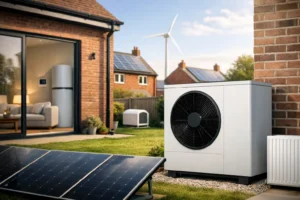
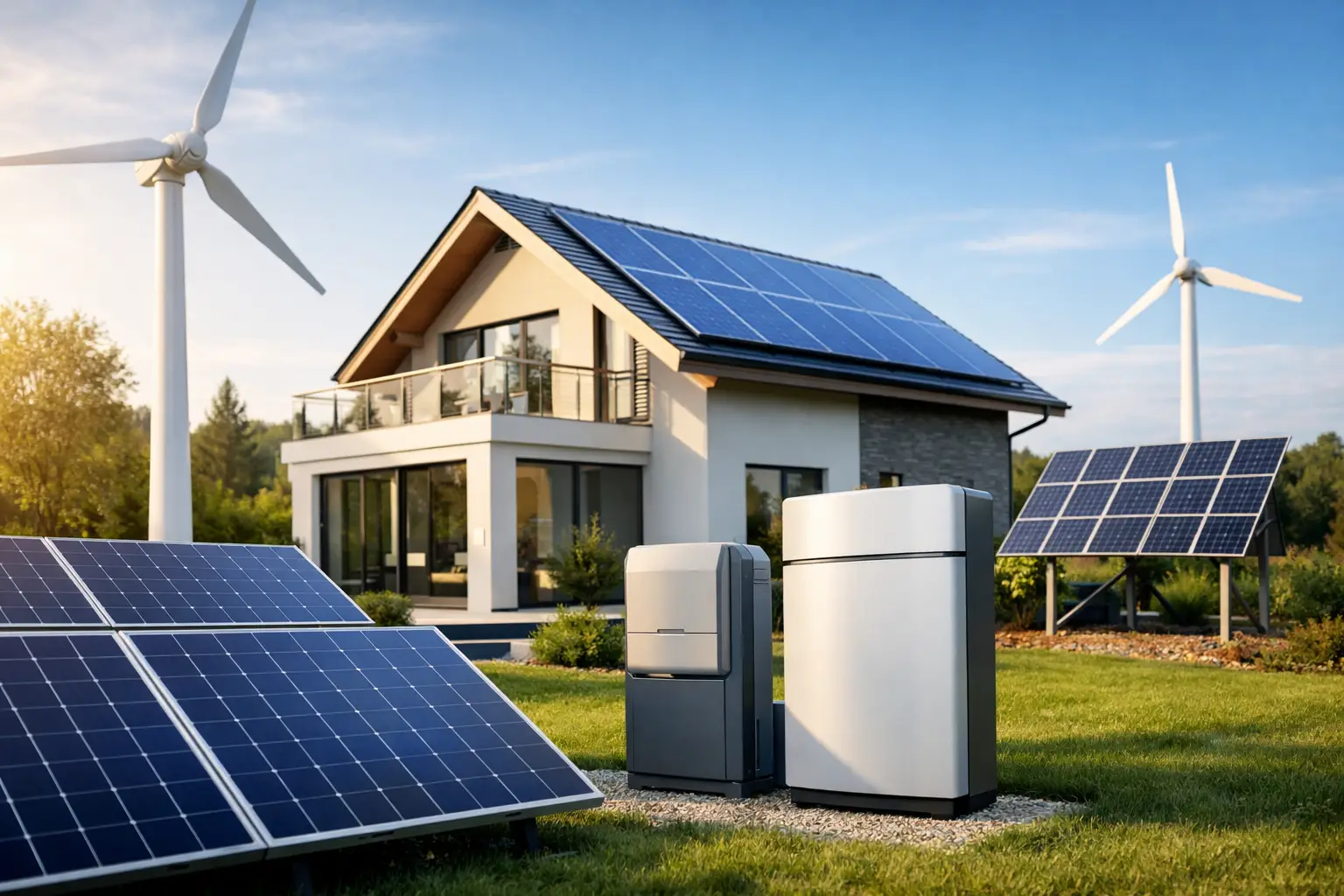
When people hear the phrase renewable energy, they often think only of solar panels. Solar is a big part of the picture, but it is not the only option. Renewable energy systems for homes can include solar PV panels that generate electricity, battery storage that keeps spare power for later, and air source heat pumps that provide heating and hot water more efficiently than older systems.
Some homes benefit from one technology on its own. Others get better results from combining two or three. For example, solar panels can cut daytime electricity costs, while a battery helps you use more of that power in the evening. If your home also needs a heating upgrade, an air source heat pump may help reduce running costs compared with older electric heating or inefficient boilers.
That said, there is no single package that suits every house. A detached home with high electricity use will not have the same needs as a small semi with good insulation and modest energy demand.
Start with your biggest energy cost
If you are trying to work out where to begin, look at where your money is going now. For some households, electricity is the main concern, especially if people work from home, charge devices constantly, or use a lot of appliances through the day. In that case, solar panels and battery storage are often the first things worth considering.
For others, the real issue is heating. If the home feels cold, the hot water system is dated, or the current setup is expensive to run, improving the heating side may have more impact. An air source heat pump can be a strong option, but it works best when the property is suitable and the system is correctly designed.
This is why a proper home assessment matters. The best system is not the one with the most kit. It is the one that deals with the problem you actually have.
Solar panels for lower electricity bills
Solar panels remain one of the most popular renewable upgrades for good reason. They help you generate your own electricity during daylight hours, which means you rely less on power from the grid. For many homes, that leads to noticeable savings over time.
They are especially appealing if you are at home during the day, because you can use more of the electricity as it is being produced. If you are out most of the time, solar can still work well, but adding a battery may help you get more value from the energy you generate.
Roof shape, direction and shading all affect performance. A south-facing roof is often ideal, but east and west-facing roofs can still be worthwhile. Heavy shading from trees or nearby buildings can reduce output, so it is always worth checking before making a decision.
The main trade-off with solar is that generation changes with the weather and season. In summer, output is higher. In winter, when demand can be greatest, production is lower. That does not make solar a poor choice. It simply means expectations should be realistic.
Battery storage gives you more control
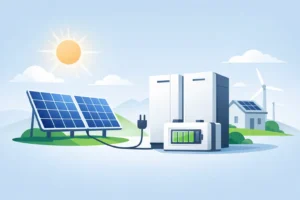
Battery storage is often what makes solar feel more useful day to day. Instead of sending all spare electricity away during the afternoon, you can keep some of it to use later when the sun has gone down. That can reduce how much electricity you need to buy in the evening, which is when many families use the most power.
For some homes, a battery is a smart addition from the start. For others, it may be something to add later. It depends on your budget, your electricity habits, and the size of your solar system.
A battery will not suit everyone. If most of your electricity use happens during daylight hours, you may already be using a good share of your solar power directly. In that case, the extra spend on storage may take longer to pay back. On the other hand, if your home is busiest in the morning and evening, battery storage can be much more attractive.
Air source heat pumps and home comfort
An air source heat pump works differently from a traditional boiler. Rather than generating heat in the same way, it moves heat from outside air into your home. That can sound surprising at first, especially in colder weather, but modern systems are built to work in the UK climate.
For the right property, a heat pump can help lower heating costs and improve comfort, particularly when replacing older electric heating, oil systems or inefficient equipment. They also provide a more consistent type of warmth, rather than short bursts of high heat.
The important part is suitability. Heat pumps generally perform best in homes with decent insulation and correctly sized radiators or underfloor heating. If a property loses heat quickly, the system may still work, but results may not be as strong unless other improvements are made too. That is why straightforward advice matters. You need to know if your home is ready now, or if it makes sense to improve insulation first.
The role of insulation and system upgrades
Renewables tend to work best when the home itself is not wasting energy. If heat is escaping through poor insulation, draughty windows or an outdated heating setup, even a good renewable system will have a tougher job.
This does not mean every homeowner needs a full property overhaul before installing anything. It simply means the wider picture matters. Sometimes the smartest route is to pair a renewable upgrade with smaller improvements that help the whole system perform better.
That may include loft insulation, radiator upgrades, heating controls or servicing older equipment. A lower-cost improvement that boosts performance can be just as valuable as choosing a bigger energy system.
Cost, savings and what is realistic
Price is usually the biggest question, and rightly so. Most people want cleaner, cheaper energy, but they also want to know the numbers make sense. The honest answer is that savings vary.
They depend on how much energy you use, when you use it, what you are replacing, and how suitable your home is for the technology. A family with high electricity use may see stronger returns from solar than a single occupant with low daytime demand. A heat pump replacing costly electric heating may offer more noticeable savings than one replacing an already efficient gas setup.
There is also the question of upfront cost. Some households prefer to invest privately for faster savings and more control over the system they choose. Others may be eligible for funded or part-funded support, which can make heating and efficiency improvements far more accessible.
The key is transparency. If a quote does not clearly explain what is included, what savings are realistic, and why a certain system has been recommended, it is worth asking more questions.
Choosing the right installer
A good installer should make the process feel simpler, not more confusing. That means clear advice, honest answers, and recommendations based on your home rather than a one-size-fits-all sales script.
You should expect someone to look at the property properly, explain the options in plain English, and talk through likely outcomes without overpromising. If grants or funded schemes may apply, that should also be handled clearly so you know where you stand from the start.
For homeowners across Scotland and England, this support is often what makes the difference between putting the idea off for another year and actually moving forward. Newtech Renewables focuses on that more practical, stress-free approach, which is exactly what most households want.
A sensible way to move forward
If you are considering renewable upgrades, start with the basics. Look at your energy bills, think about what bothers you most, and get advice based on your property rather than general claims online. The best solution might be solar with battery storage, a heat pump, or a smaller first step that prepares your home for more savings later.
You do not need to become an expert in energy technology to make a good decision. You just need clear information, realistic expectations, and a system that fits your home and budget. Done properly, renewable energy should feel less like a leap and more like a sensible home improvement that starts paying you back from day one.