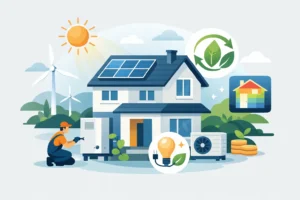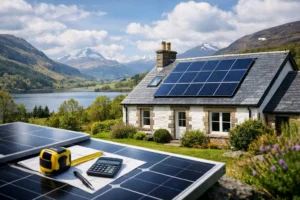
A solar panel system is not just something you see on a neighbour’s roof. It is a practical way to make more of the electricity your household uses every day, from the morning kettle to the evening washing load. This home solar installation guide explains what happens before, during and after fitting, so you can make a confident decision without getting buried in jargon.
For most homeowners, the main question is simple: will solar help lower my bills? The answer is often yes, but the size of the saving depends on your roof, how much electricity you use during daylight hours and whether battery storage makes sense for your home.
Start with your home, not a panel package
The best solar system is one that suits your property and your household routine. A larger system is not automatically better if much of the electricity it produces goes unused or is exported at a low rate. Equally, choosing too few panels may limit the savings available from a good roof.
A proper suitability check looks at the direction, angle and usable space on your roof. South-facing roofs are often ideal, but east- and west-facing roofs can still work very well. An east-facing array generates more power in the morning, while a west-facing one produces more later in the day. For families who are out at work or school, a split east-west layout can sometimes match household use better than a roof facing one direction alone.
Shade matters too. Chimneys, tall trees, neighbouring buildings and roof features can affect output at certain times of day. This does not always rule solar out, but it should be considered before anyone promises savings. A clear assessment upfront helps avoid surprises later.
Your roof should also be in sound condition. If it is nearing the end of its life, repairing or replacing it before panels are fitted can be the sensible route. Removing and refitting panels later adds cost and inconvenience.
What a home solar installation involves
A straightforward domestic installation usually follows a clear process. First comes an assessment of your roof, electricity use and goals. You may want the lowest possible upfront cost, the greatest possible bill reduction, or a system ready for a future battery or electric vehicle. Being clear about this early makes recommendations easier to understand.
Once the system is designed, the installer confirms panel placement, scaffolding needs, cable routes and inverter position. The inverter is the unit that changes the electricity produced by panels into power your home can use. It is commonly installed in a loft, garage, utility room or another suitable sheltered location.
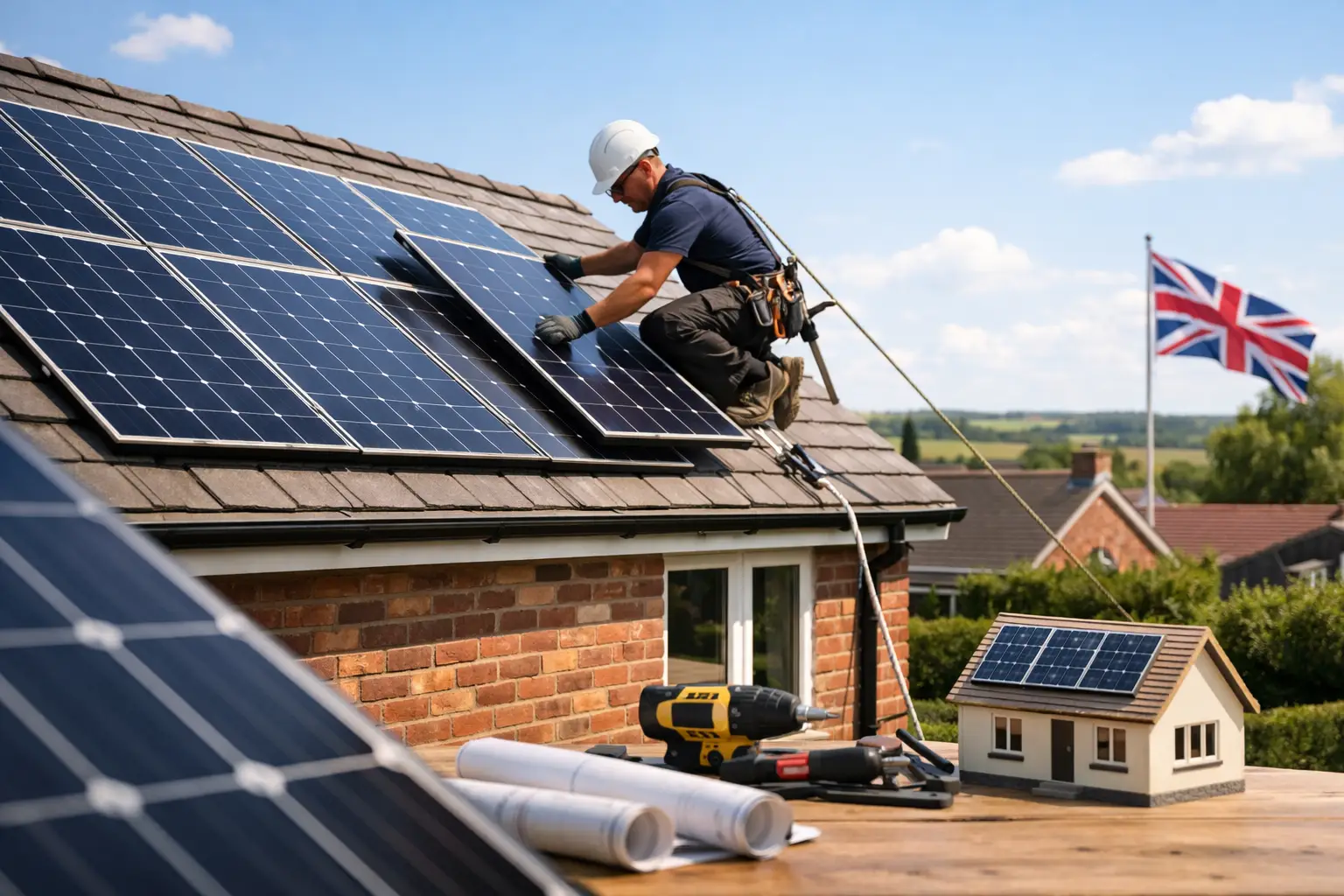
On installation day, scaffolding is put up where required. The mounting system is fixed securely to the roof, then the panels are fitted and wired. Inside, the inverter and electrical protection equipment are installed and connected safely to your consumer unit. Most standard home systems are completed within a day or two, although more complex roofs, batteries and electrical upgrades can take longer.
There will be some normal disruption, including access around the property and brief electrical work indoors. A good installer will explain the schedule beforehand, keep the work area tidy and tell you what needs to be moved or made accessible.
Choosing the right system size
Solar is usually measured in kilowatts peak, written as kWp. This describes the maximum output of the panels in ideal conditions, rather than a guarantee of daily generation. Weather, season, shade and roof direction all affect what a system produces in real life.
For a typical household, the right size depends on annual electricity use and available roof space. A home with modest use may be well served by a smaller array, while a household with an electric vehicle, electric heating or higher daytime consumption may benefit from more panels.
It is worth thinking ahead. If you expect to add a heat pump, battery storage or an electric car charger later, tell your installer. Designing for future changes can be easier and more affordable than starting again in a few years. That said, there is no need to pay for equipment you do not need yet. A sensible system should fit your budget as well as your plans.
Do you need a solar battery?
Panels generate most electricity during daylight, which is not always when a household uses the most power. A solar battery stores spare generation so you can use it later, often during the evening when panels are no longer producing.
For homes where people are regularly in during the day, such as those with someone working from home, a battery may be less urgent because more solar power can be used immediately. For busy households that use most electricity in the morning and evening, battery storage can increase how much of your own solar electricity you keep.
A battery does add to the upfront cost, so it is not the right answer for every property. You can also export unused electricity to the grid through a suitable export tariff, subject to your energy supplier’s terms. The choice comes down to the balance between upfront spending, expected savings and how you use energy at home.
Costs, savings and realistic expectations
Solar panel costs vary because every roof and household is different. The number of panels, the type of inverter, access requirements, battery capacity and any electrical work all influence the final price. Be wary of a price that appears unusually low without a full explanation of what is included.
Clear pricing should set out the system size, equipment, installation work, warranties and any optional extras. It should also explain assumptions behind any savings estimate. No installer can control future electricity prices or the weather, so figures should be presented as informed estimates, not guarantees.
The strongest savings usually come from using as much solar electricity as possible while it is being generated. Simple habits can help: running the dishwasher or washing machine in daylight, charging devices during the day and using timers for suitable appliances. You do not need to plan your whole life around the weather, but a few changes can make a noticeable difference over time.
Permissions, certification and paperwork
Many domestic solar installations can be completed without planning permission, particularly where panels follow the roofline and meet permitted development rules. However, properties in conservation areas, listed buildings, flats and homes with unusual roof arrangements may have different requirements. Your installer should check this rather than make assumptions.
Your system must also be installed and notified correctly so it can connect safely to the electricity network. Depending on the system design, your installer may need to submit the relevant grid connection paperwork before or after installation. You should receive commissioning information and certification once the work is complete.
Keep these documents somewhere safe. They are useful for warranties, insurance, selling your home and arranging an export tariff. If you have questions about what paperwork you will receive, ask before accepting a quote.
Looking after solar panels after fitting
Solar systems are generally low maintenance. Rain often clears ordinary dirt from panels, and most homes do not need regular cleaning. If panels become heavily soiled, or if you live near significant sources of dust, professional advice may be worthwhile. Avoid climbing on the roof or using unsuitable cleaning equipment yourself.
Check your generation through the inverter display or monitoring app from time to time. A sudden or sustained drop in output is worth investigating, especially if it is not explained by seasonal weather. Inverters and batteries also have warranties, so knowing how to access support gives extra peace of mind.
Questions worth asking before you go ahead
Before choosing an installer, ask what system size they recommend and why, how shading has been assessed, what is included in the price and what happens if extra work is needed. It is also sensible to ask about workmanship warranties, equipment warranties and the expected installation timescale.
Most importantly, make sure you understand the proposal. You should not feel pressured into a bigger system, a battery or add-ons that have not been properly explained. Solar should feel like a straightforward home improvement, not a technical gamble.
For homeowners across Scotland and England, the easiest route is a clear assessment, honest pricing and an installation team that manages the details. With the right system on the right roof, every brighter day can become a little less expensive.