On a cold morning, most people do not care about heating theory. They care that the house feels warm, the bills stay manageable, and the system does not become another hassle to deal with. That is exactly why so many homeowners ask how heat pumps warm homes, because they work differently from a petrol boiler and the experience can feel unfamiliar at first.
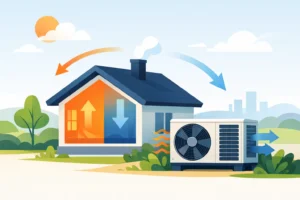
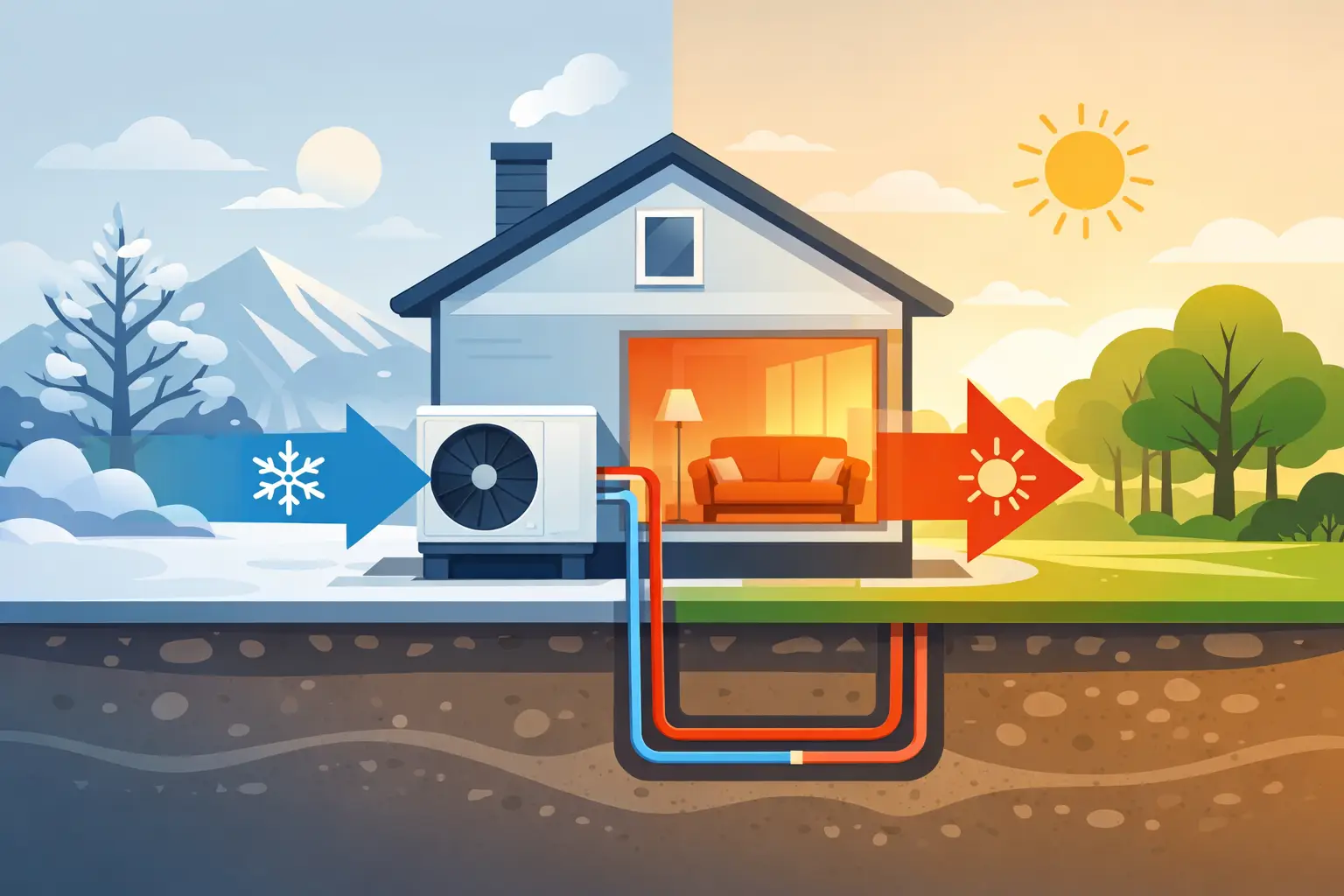
The short answer is simple. A heat pump takes heat from the air outside and moves it into your home. It does not create heat by burning fuel. Instead, it transfers existing heat and uses electricity to run that process. Even when the weather feels cold, there is still heat energy in the outside air, and a heat pump can collect it and use it.
How heat pumps warm homes in simple terms
Think of a heat pump as a system that gathers low-level heat from outdoors, boosts it to a useful temperature, and then sends that heat around your home. In most UK homes, this means warming water for radiators or underfloor heating, and often for hot water too.
The outdoor unit absorbs heat from the air into a refrigerant. That refrigerant passes through a compressor, which raises its temperature. The heat is then transferred into your home’s heating system. It sounds technical, but the benefit is straightforward – you get steady warmth without needing to burn petrol, oil or LPG.
This is why heat pumps are often described as efficient. For every unit of electricity they use, they can deliver more than one unit of heat. The exact figure depends on the property, the weather, and the system design, but the main point is that they move heat rather than generate it in the traditional way.
Why a heat pump feels different from a boiler
One of the biggest misunderstandings is expecting a heat pump to behave exactly like a boiler. A boiler usually fires up at a high temperature, heats radiators very quickly, and then switches off. A heat pump works best when it provides lower-temperature heat more steadily over longer periods.
That does not mean your home stays cool. It means the warmth tends to be more even and consistent. Instead of sharp bursts of heat, you get a background level of comfort that keeps rooms at a stable temperature.
For many households, that can actually feel better once they get used to it. You are less likely to get the cycle of feeling chilly, turning the heating right up, then opening a window because the room gets too hot. A well-set-up heat pump aims for balance, not extremes.
What happens inside the home
Once the heat pump has raised the temperature, that heat needs to be delivered efficiently. In many properties, it goes through radiators. In others, it may be used with underfloor heating, which suits heat pumps particularly well because it spreads gentle warmth over a large area.
If a home already has radiators, they may still work with a heat pump, but sometimes they need to be resized. That is because lower flow temperatures often need a larger radiator surface area to provide the same level of room comfort. This is one reason proper home assessment matters so much.
The system is not only about the heat pump itself. Pipework, radiator size, controls, hot water cylinder setup, and insulation all affect how well the whole thing performs. If one part is poorly matched, the result can be higher running costs or slower room heating.
Why insulation and draughts matter so much
A heat pump can warm many types of home, including older properties, but insulation still plays a major role. If warm air is escaping quickly through loft spaces, walls, windows or draughty doors, your heating system has to work harder to keep up.
That is true of any heating system, but with a heat pump, the effect is often more noticeable because the goal is steady efficiency. A home that holds onto heat well is easier and cheaper to keep comfortable.
This does not mean every house needs to be perfect before a heat pump can work. It does mean that simple improvements such as loft insulation, draught proofing, or checking radiator suitability can make a real difference. Sometimes the best results come from treating the heating system and the house as one package rather than separate problems.
Do heat pumps still work in winter?
Yes, they do. This is one of the most common concerns in the UK, especially in colder parts of Scotland and northern England. Air source heat pumps are designed to work in cold weather, including temperatures below freezing.
They do become less efficient as outdoor temperatures drop, because there is less heat available in the air and the system has to work harder to raise it. But less efficient does not mean ineffective. A properly specified system should still be able to keep the home warm in winter.
This is why design and sizing are so important. If the heat pump is too small, or the property loses heat too quickly, the system may struggle. If it is chosen and installed correctly, winter performance should be built into the plan from the start.
Running costs depend on more than the unit itself
When people ask about savings, the honest answer is that it depends. A heat pump can reduce running costs, but not every home sees the same result. The outcome depends on your current heating fuel, how expensive that fuel is, the efficiency of your existing system, your insulation levels, and how the new system is controlled.
For example, replacing old electric heating can often bring a big improvement. Replacing an ageing oil or LPG system may also stack up well. Replacing a modern petrol boiler can still make sense, but the savings picture is often more mixed and should be looked at carefully.
Usage habits matter too. If a household likes very high room temperatures or leaves doors and windows open regularly, costs will be higher whatever system is installed. Good controls, sensible settings, and realistic expectations all help keep bills under control.
How controls help heat pumps warm homes well
A heat pump is not usually at its best if it is constantly turned on and off. It tends to perform better with smart, steady control. That may include weather compensation, timed schedules, and room thermostats set to maintain comfort rather than chase sudden temperature changes.
Weather compensation sounds complicated, but the idea is simple. The system adjusts the water temperature it sends around your home based on how cold it is outside. On milder days, it uses less heat. On colder days, it increases output. This helps the system run more efficiently and keeps indoor temperatures more stable.
This is another reason people sometimes think a heat pump is not doing much. It may be running quietly in the background rather than making the radiators feel scorching hot. The aim is not boiling radiators. The aim is a warm home.
Is every home suitable?
Not every property is identical, and a good installer should be honest about that. Many homes are suitable for heat pumps, but some need upgrades first and some need a more tailored approach.
Older homes can still be good candidates, especially if insulation has been improved and the system is designed properly. Smaller homes often do well. Larger or leakier properties may need more attention to heat loss, radiator sizing, and hot water demand.
This is where clear advice matters. Homeowners should not be expected to guess whether their house is right. A proper assessment should look at the building, current heating setup, and budget, then explain the options in plain English. That is the practical part many people value most.
The real benefit is steady comfort with less fuss
The best way to understand how heat pumps warm homes is to stop thinking about blast heating and start thinking about background comfort. A good system keeps rooms at an even temperature, avoids waste, and works with your home rather than against it.
For plenty of households, that means fewer cold spots, a more comfortable day-to-day feel, and a heating setup that can lower reliance on fossil fuels without becoming complicated to live with. If support such as ECO 4 or other upgrade routes is available, it can also make the move more affordable.
The right heat pump setup is never just about the box on the wall outside. It is about choosing a system that suits the property, installing it properly, and setting it up in a way that feels simple to use. When that is done well, the technology fades into the background, which is exactly what most homeowners want.
If you are weighing up your options, the useful question is not whether heat pumps work in theory. It is whether your home can be made comfortable, efficient and affordable with the right design – and in many cases, the answer is yes.