
If your heating bills keep climbing and your home still feels cold, figuring out how to apply for ECO 4 can feel like one more headache you do not need. The good news is that the process is usually more straightforward than people expect, especially when you know what checks happen first, what paperwork may be needed, and what comes next.
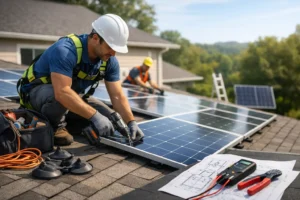
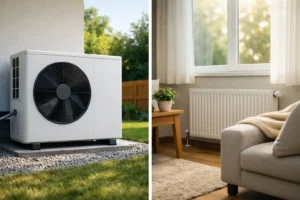
ECO 4 is a government-backed energy efficiency scheme designed to help eligible households improve how their homes are heated and insulated. In practical terms, that can mean support towards upgrades such as insulation, heating improvements or replacing an old, inefficient system. For many households, the real appeal is simple – lower bills, a warmer home and less pressure from rising energy costs.
How to apply for ECO 4 step by step
The first step is checking whether your household is likely to qualify. ECO 4 is aimed at homes that are expensive to heat, often where the current system is old, inefficient or unreliable. Eligibility usually depends on a mix of factors, including household income, benefits and the energy performance of the property. Some households may qualify through local authority routes as well, so it is not always as black and white as people assume.
Once you have done an initial eligibility check, the next stage is usually a home assessment. This is there to work out what improvements would actually make sense for your property. That matters because ECO 4 is not a one-size-fits-all scheme. One home may benefit most from insulation, while another may need a heating upgrade first. The support offered depends on what the assessor finds and what is allowed under the scheme rules.
If your home looks suitable, you will normally be asked for a few basic details and supporting documents. After that, the application is reviewed, the funding route is confirmed, and installation can be arranged if everything stacks up. A good installer or provider should explain each stage clearly, rather than leaving you to chase updates.
Who can apply for ECO 4?
Many people assume ECO 4 is only for one very narrow group, but it can cover a broader range of households than expected. In general, the scheme is designed for people living in homes that are costly to keep warm and where energy efficiency improvements could make a noticeable difference.
A common route into the scheme is through qualifying benefits. Depending on your circumstances, that could include certain income-related benefits, disability-related support, child-related benefits or pension-related support. The exact criteria can change, so it is worth checking your current position rather than relying on something you heard months ago.
There is also the property side of the application. A household may meet income or benefits criteria, but the home still needs to be suitable for the measures available. For example, the age of the boiler, the type of heating system, existing insulation levels and the property’s EPC rating can all affect the outcome. That is why a quick yes or no at the start is not always possible.
If you do not receive a qualifying benefit, do not automatically rule yourself out. Some applicants may still be considered through flexible eligibility routes, depending on the local authority and household circumstances. This can help people on lower incomes or with health and heating-related needs who are not covered by the standard route.
What you may need before you apply
Getting your paperwork together early can make the process much smoother. In most cases, you will be asked for proof of address, proof of homeownership or tenancy details, and documents showing any relevant benefits or income status. If you have a recent EPC, that may help, but many providers will arrange checks as part of the process anyway.
You may also be asked questions about your current heating system. It helps to know what kind of boiler or heating setup you have, how old it is if known, and whether it has ongoing faults. If parts of the home are hard to heat, make a note of that too. These details can help build a clearer picture of what support may be suitable.
The key thing is not to panic if you do not have every answer straight away. A lot of homeowners are not sure what boiler model they have or what EPC band their property falls into. A friendly provider should guide you through what matters and what can be checked during the assessment.
What happens after you apply?
After the initial application, there is usually a review stage to confirm eligibility and assess the property properly. If you are eligible, the next step is deciding which measures can be installed under ECO 4 rules. This could include insulation, heating controls, a boiler replacement in some cases, or other improvements that make the home more efficient.
This is also the point where people sometimes discover that the measure they wanted is not the measure the property needs most. That can be frustrating, but it is part of how the scheme works. ECO 4 is designed around improving the overall energy performance of the home, not just swapping one piece of kit for another because it seems convenient.
Timescales vary. Some applications move quite quickly, while others take longer if extra evidence is needed or if there are property-specific complications. Older homes, unusual heating systems and mixed occupancy arrangements can all slow things down a bit. Clear communication makes a big difference here.
Common reasons ECO 4 applications get delayed
Most delays come down to missing information, unclear eligibility or issues found during the home assessment. If the name on one document does not match another, or proof of benefits is out of date, you may be asked to resend paperwork. That is normal, but it can add time.
Property suitability can also affect the process. If a home needs insulation before a heating upgrade can be approved, the plan may need to be revised. In some cases, a property may not meet the technical requirements for the measure originally discussed. That does not always mean the application fails, but it may mean a different route is needed.
There is also a simple reality with funded schemes – demand can be high. Installers and assessors often deal with a large number of enquiries, especially during colder months when energy bills become a more urgent problem. Applying sooner rather than later can help avoid seasonal bottlenecks.
How to make applying for ECO 4 easier
The easiest way to avoid stress is to treat ECO 4 like any other home improvement process: start with the facts, ask direct questions and work with people who explain things properly. If a provider makes big promises before checking your home or your eligibility, that is usually a sign to be cautious.
It also helps to be realistic. Not every household will qualify, and not every property will be suitable for the same type of upgrade. The strongest applications tend to be the ones where the paperwork is ready, the property details are clear and expectations are managed from the start.
A straightforward provider should tell you what is likely, what still needs to be confirmed and where there may be limits under the scheme. That kind of honesty saves time and stops the process feeling more complicated than it needs to be.
Choosing support you can trust
If you are unsure how to apply for ECO 4, the best place to start is with a company that keeps things simple. You want clear advice, no confusing jargon and a proper explanation of what your home may be eligible for. For most homeowners, that matters just as much as the funding itself.
Newtech Renewables takes that practical approach – checking suitability, explaining the options in plain English and helping households understand what comes next. That kind of support can make a big difference when you are already dealing with high bills and do not want to spend weeks chasing answers.
Applying for ECO 4 does not have to feel like filling in forms for the sake of it. If your home is expensive to heat and your current system is no longer doing the job properly, it is worth asking the question now rather than putting up with another winter of higher bills and colder rooms.