
A cold spare room, draughts around the stairs and a boiler that never seems to get a break are not just winter annoyances. They are often signs that your home is losing heat faster than it should. If you are wondering which homes need insulation, the short answer is that most homes can benefit from it – but the right improvement depends on how your property is built, its current condition and where heat is escaping.
Insulation is not only for very old houses or homes with no modern heating. A newer property can still have weak spots, while an older stone home may need a more careful approach than simply adding material to every available space. The aim is straightforward: keep warmth in for longer, make rooms more comfortable and reduce the energy needed to heat them.
Which homes need insulation most?
Homes built before modern energy-efficiency standards are often the strongest candidates. Many properties across Scotland were built when energy was cheaper and insulation was less commonly used. This includes traditional tenements, Victorian terraces, 1930s semis, post-war houses and properties from the 1960s to the 1990s.
That does not mean every older home needs the same work. Some will already have loft insulation or cavity wall insulation, while others may have had partial upgrades over the years. The key is checking what is there now, rather than relying on the age of the house alone.
You may be a good candidate for an insulation upgrade if your home has one or more of these signs:
- Your loft has little insulation, or the existing layer is thin, patchy or compressed.
- Upstairs rooms are much colder than rooms downstairs.
- External walls feel cold to the touch, even when the heating is on.
- You notice draughts around floors, hatches, pipes, doors or window frames.
- Your heating bills feel high for the size of your home.
- You have condensation, mould or cold patches on external walls.
- A recent EPC suggests improvements to walls, floors or the roof space.
A home can look well cared for and still waste a surprising amount of heat. Carpets, fresh décor and a reliable boiler do not stop warmth escaping through an under-insulated roof or unfilled wall cavity.
Start with the areas where heat commonly escapes
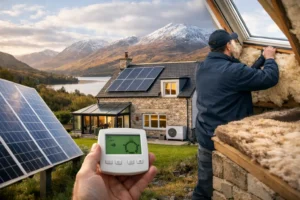
For most homes, the loft is the first place worth checking. Warm air rises, so an uninsulated or poorly insulated roof space can allow a large amount of heat to escape. Loft insulation is often one of the simpler upgrades because it can make a noticeable difference without changing the look of your home.
A loft should still be accessible and properly ventilated. Insulation must not block eaves ventilation or create problems around electrical fittings, water tanks or pipes. A professional assessment helps make sure the job improves comfort without causing a new issue elsewhere.
Walls are the next major consideration. Properties built with cavity walls may be suitable for cavity wall insulation, where material is added into the gap between the inner and outer wall. This can be a practical option for many homes, but not every cavity is suitable. Exposure to wind-driven rain, the condition of the brickwork and the width of the cavity all matter.
Solid-wall homes need a different solution. These are common in older properties and generally do not have a cavity to fill. Internal or external wall insulation may be considered, but it is a bigger project with more cost, detail and planning involved. External insulation can alter the appearance of a property, while internal insulation reduces room size slightly and may require radiators, sockets and skirting boards to be moved. It can still be worthwhile, but it needs to be designed carefully.
Floors can also be a source of discomfort, particularly in older homes with suspended timber floors. If the floorboards feel icy underfoot or draughts come up from below, underfloor insulation may help. This is especially relevant for ground-floor rooms over a ventilated void. Not every floor can be insulated in the same way, so access underneath and the need to protect airflow must be checked first.
Newer homes can need insulation too
It is easy to assume a home built in the last 20 years has no insulation concerns. In reality, newer properties may still benefit from topping up loft insulation, improving around awkward roof spaces or dealing with gaps left around services and fittings.
Extensions, converted garages and loft conversions are also worth looking at. They may have been built to the standards in place at the time, but standards have improved over the years. A room that is always colder than the rest of the house is worth investigating, even if the property itself is relatively modern.
Flats can benefit too, although the options depend on which surfaces connect to unheated areas. A top-floor flat with a cold roof above it, for example, may have a different priority from a ground-floor flat over a cellar or communal undercroft. In shared buildings, some wall or roof work may require agreement from the factor, landlord or other owners.
Do not insulate around damp or repair problems
Insulation works best when the building is in good condition. If you have damp patches, leaking gutters, damaged pointing, cracked render or a roof leak, those issues should be diagnosed and repaired first. Covering over a moisture problem can make it harder to spot and more expensive to fix later.
Condensation also needs a sensible response. It is often caused by everyday moisture from cooking, showering and drying clothes meeting cold surfaces. Better insulation can make internal surfaces warmer and reduce the risk, but ventilation still matters. Extractor fans, trickle vents and regular airflow are part of a healthy home.
This is why a quick sales pitch is not enough. A proper suitability check should consider the fabric of the building, signs of moisture, ventilation and how the property is used. The best option for a dry cavity-wall home in East Kilbride may not be right for a solid-wall property in Glasgow’s older housing stock.
Insulation before changing your heating system
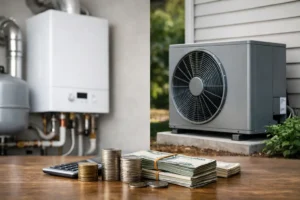
If you are considering an air source heat pump, a new boiler or solar and battery storage, improving insulation can make the whole plan work better. A warmer home needs less energy to maintain a comfortable temperature. That can reduce demand on the heating system and help you get more from the energy you buy or generate.
This does not mean you must complete every possible insulation measure before looking at renewables. Some households need to replace an unreliable boiler quickly, while others may be ready for solar now and want to improve the building over time. The sensible approach is to understand the condition of your home and choose an order that suits your budget and priorities.
For example, topping up a loft may be an affordable first step, while wall insulation could be planned for a later stage. If funding support is available for eligible households, it may also shape which improvements are most practical. Clear advice should explain the options, likely disruption and costs without pushing you into work that does not suit your property.
How to decide what your home needs
Start with what you can see safely. Check the loft depth if it is easy to access, look for obvious draughts and note which rooms are uncomfortable. Your EPC can provide a useful starting point, although it is not a full survey and may not reflect every change made since it was issued.
Then arrange a home assessment with an experienced installer. They should look at the type of walls and roof, the current insulation, ventilation, damp risks and access. They should also explain what will happen during the work and whether any preparation is needed from you.
At Newtech Renewables, the focus is on making these decisions easier to understand. A suitable upgrade should feel like a practical improvement to your home, not a confusing technical project with hidden surprises.
The right insulation is the one that addresses the real source of heat loss, protects the condition of the building and fits your plans for lower bills. A few well-chosen improvements can make a home feel warmer long before the coldest part of winter arrives.