

When people ask about air source heat pump running costs, they usually want a straight answer: will it actually save money on my bills? The honest answer is yes for many homes, but not always in the same way, and not by the same amount. Your running costs depend on how well your home holds heat, what system you are replacing, and how the heat pump is set up from day one.
That is why headline figures on their own can be misleading. A heat pump in a well-insulated semi with sensible controls can be cheap to run and very comfortable. The same unit in a draughty home with poor radiator sizing can cost more than expected and leave the homeowner wondering what went wrong.
What affects air source heat pump running costs?
The biggest factor is efficiency. An air source heat pump does not create heat in the same way as a traditional boiler. It moves heat from the outside air into your home, using electricity to do it. Because of that, the amount of heat you get for each unit of electricity matters a lot.
If your system is running efficiently, it can deliver several units of heat for every unit of electricity used. If it is struggling because the home leaks heat quickly or the settings are wrong, running costs rise. This is why two similar-looking homes can end up with very different bills.
Insulation plays a major part. Loft insulation, cavity wall insulation, draught proofing and decent windows all help keep the heat where you are paying for it. The less heat your home loses, the less often the heat pump needs to work hard.
Your flow temperature matters too. Heat pumps tend to work best when heating water to a lower temperature than a petrol boiler. That usually means they pair better with larger radiators or underfloor heating, because these can warm rooms effectively without needing very hot water.
Then there is your electricity tariff. Since heat pumps run on electricity, your unit rate has a direct impact on running costs. Homes on a more competitive tariff, or households that can shift some usage to cheaper periods, may see better savings than those on expensive standard rates.
Typical running costs in real homes
A lot of homeowners want a simple yearly figure, but air source heat pump running costs are not one-size-fits-all. In a smaller, well-insulated property, annual running costs may be very reasonable and compare well against older electric heating systems, LPG or oil. In a larger property with higher heat demand, costs will naturally be higher, even if the system is working properly.
The better comparison is not just the total bill, but what you are getting for it. A well-designed heat pump system should provide steady warmth throughout the home, rather than short bursts of high heat. Many people find the house feels more consistently comfortable, even if the heating works differently from what they were used to before.
If you are replacing direct electric heating, storage heaters, old electric panel heaters, oil or LPG, a heat pump can often look attractive on running costs. If you are replacing a modern mains petrol boiler, the picture can be more mixed. In that case, savings depend heavily on insulation, electricity prices and system design.
That is not bad news. It just means proper assessment matters. A good installer should not promise the same outcome for every property.
Why some heat pumps cost more to run than expected
Most disappointing results come down to design, installation or controls rather than the technology itself. If a heat pump is too large, too small, or paired with undersized radiators, it may run less efficiently. If it is set up with poor controls or the homeowner is told to use it like an old boiler, bills can rise.
This is a common point of confusion. Heat pumps are usually most efficient when they maintain a steady indoor temperature, rather than being switched on and off in big jumps. Turning the thermostat up and down dramatically can make the system work harder than it needs to.
Poor insulation also pushes costs up. If warm air is escaping through the roof, walls, floors or gaps around doors, the system has to keep replacing that lost heat. In those homes, improving insulation first can make a bigger difference than people expect.
Maintenance matters as well. While heat pumps are generally low maintenance, they still need servicing and checks to keep them running as they should. A neglected system may not operate at its best, which affects comfort and cost over time.
How to keep air source heat pump running costs down
The good news is that there are practical ways to improve performance and control costs. The first is making sure the system is right for the home. That means proper heat loss calculations, suitable radiators or underfloor heating, and controls that are set up for how your household actually lives.
The second is improving the property itself. Better insulation usually gives lasting benefits because it reduces the amount of heat needed in the first place. That can lower running costs with any heating system, but it is especially helpful with heat pumps.
The third is using the system as intended. Keeping a more stable temperature often works better than trying to blast the house warm for short periods. It can feel unfamiliar at first, but many homeowners end up preferring the steady warmth once they get used to it.
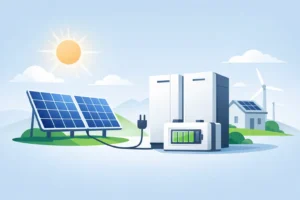
You should also pay attention to your tariff. Since electricity pricing varies, reviewing your energy deal can make a real difference over a year. If your home also has solar panels, that can help offset some electricity use during the day, although winter heating demand and solar generation do not always line up perfectly.
Are heat pumps cheaper to run than boilers?
Sometimes yes, sometimes no. It depends on what boiler you mean and what kind of home you have.
Compared with oil, LPG or older electric heating, a heat pump often compares well and can reduce running costs while improving comfort. Compared with mains petrol, the answer is more balanced. Petrol has historically been cheaper per unit than electricity, so a heat pump needs to run efficiently to make the numbers work in your favour.
That is why installation quality matters so much. A properly designed system in a suitable home can narrow the gap or beat older heating options. A poorly designed one can do the opposite. This is also where honest advice is worth more than a sales pitch.
For some households, the value is not only in the monthly bill. A heat pump can also mean a warmer, more even temperature, lower reliance on fossil fuels and a modern system that fits with other upgrades such as solar and battery storage.
Upfront cost versus long-term value
Running costs are only part of the bigger picture. Homeowners also need to think about installation cost, available grants or funded schemes, and how long they plan to stay in the property.
If support is available through schemes such as ECO 4, the overall case can look much stronger for eligible households. For private buyers, the question is usually whether the upfront spend leads to worthwhile monthly savings, better comfort and future-proofed heating.
A cheaper system that is badly matched to the property is rarely a bargain. In the same way, a more efficient setup may cost more initially but perform better for years. That is why the best route is usually to look at the whole-home picture, not just the sticker price or a rough annual running-cost estimate.
What a homeowner should ask before installing one
Before going ahead, ask how the running costs have been estimated for your specific property. Ask what insulation improvements are recommended, whether your current radiators are suitable, and how the controls should be used day to day. You should also ask what you can realistically expect in winter, when the system will be under the most demand.
A trustworthy installer will explain the trade-offs in plain English. They should tell you if your home is a strong fit, a possible fit with upgrades, or not the right candidate yet. That kind of clarity saves hassle later.
For many UK households, air source heat pump running costs can be very manageable and can compare well with older or more expensive heating systems. The key is not chasing a generic promise of lower bills. It is getting a system that suits your home, your budget and the way you actually live. If the setup is right, the savings are only part of the benefit – your home should feel better to live in too.

Pingback: Best Smart Heating Controls for UK Homes – Newtech Renewables
Pingback: Heat Pump Radiators for a Warmer, Cheaper Home – Newtech Renewables
Pingback: What Affects Solar Output From Your Panels? – Newtech Renewables
Pingback: High Fuel Costs? Air Source Heat Pumps Save Money – Newtech Renewables