
A cold patch by the sofa, radiators that take ages to warm up and bills that keep climbing are usually signs that your home is losing heat or your system is working harder than it should. The best home heating upgrades are not always the most expensive ones. For many households, the biggest difference comes from putting a few practical improvements in the right order.
The right choice depends on your property, existing heating system, insulation and budget. A Victorian terrace in Glasgow will need a different approach from a newer semi-detached home in England. The aim is the same: keep more warmth indoors, heat rooms with less waste and make your bills easier to manage.
Start by stopping heat from escaping
Before replacing a boiler or choosing a heat pump, look at the fabric of your home. There is little value in fitting a highly efficient heating system if warmth is disappearing through the loft, walls, floor or draughty gaps.
Loft insulation is often one of the most worthwhile places to start. Heat rises, so a poorly insulated loft can allow a surprising amount of warmth to escape. Topping up insulation can make bedrooms and living areas feel more comfortable quickly, while helping your heating stay off for longer.
Wall insulation can also make a major difference, particularly in older homes. Some properties are suitable for cavity wall insulation, while solid-wall homes may need internal or external insulation. This is a bigger job and needs a proper survey, as the wrong solution can create damp problems. It is never a case of simply adding insulation everywhere.
Draught-proofing is a smaller upgrade, but it should not be overlooked. Sealing gaps around doors, windows, loft hatches and pipework can reduce cold air coming in without affecting essential ventilation. If you have open fires that are no longer used, a suitable chimney balloon or cap may help too.
Upgrade your heating controls before the whole system
Heating controls are one of the most affordable ways to use less energy without making your home less comfortable. If your heating comes on at fixed times regardless of whether anyone is home, you may be paying to heat empty rooms.
A programmable thermostat lets you set a schedule around your routine. Smart controls add the option to adjust heating from your mobile phone, which is useful when plans change or you are away overnight. They can also help you see how your heating habits affect energy use.
Thermostatic radiator valves, often called TRVs, give you more control room by room. You may want the lounge warm in the evening but prefer a cooler temperature in bedrooms. Turning down unused rooms can help, but avoid switching off heating completely in spaces at risk of damp or frozen pipes during very cold weather.
Controls work best when they are set up properly. A thermostat placed beside a radiator, in direct sun or in a chilly hallway will not give an accurate picture of your home’s temperature. A friendly installer can show you how to use the controls rather than leaving you with settings that feel confusing.
Best home heating upgrades for an ageing boiler
If your boiler is unreliable, noisy or expensive to repair, replacing it with a modern A-rated condensing boiler can reduce gas use compared with an older, inefficient model. It can be a sensible option for homes that already have a gas central-heating system and want a familiar, lower-upfront-cost replacement.
However, a new boiler is not automatically the best answer for every household. If you are planning wider improvements to your home, such as solar panels, better insulation or a move away from gas, it is worth considering how each upgrade will work together over the long term.
Whichever boiler you choose, system maintenance matters. A clean, balanced heating system allows hot water to circulate properly through the radiators. Powerflushing may be recommended where sludge is causing cold spots, but it is not necessary for every property. Ask for a clear explanation of what has been found and why the work is being suggested.
Consider an air source heat pump for lower-carbon heating
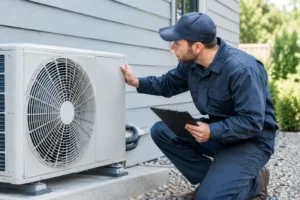
Air source heat pumps use electricity to collect heat from outside air and bring it into your home. Even on a cold day, there is usable heat outdoors. They are a popular choice for homeowners who want to reduce their reliance on gas and cut the carbon associated with heating.
A heat pump works differently from a boiler. Rather than producing very high temperatures in short bursts, it provides a steady, lower-temperature heat. That means the home needs to be reasonably well insulated, and some properties may need larger radiators or other system changes to get the best results.
This does not mean heat pumps are only for brand-new homes. Many older homes can be suitable after the right assessment and preparation. The key is to size the system correctly, review the insulation and make sure the installer explains running costs, radiator requirements and how to use it day to day.
Upfront cost is often the main concern. Available support schemes can make some improvements more accessible for eligible households, although rules and availability vary. Never assume funding is guaranteed until your eligibility and property have been checked.
Improve radiators and hot water performance
Radiators do not have to be replaced just because they are old, but they should heat up evenly and be correctly sized for the room. If a room is always chilly, the radiator may be too small, poorly positioned or affected by poor circulation. Replacing selected radiators can be more cost-effective than changing every one.
Radiator reflector panels can help on external walls, particularly where there is no insulation behind the radiator. They are a modest improvement rather than a cure for a cold home, but small measures can add up when combined with better controls and draught-proofing.
Do not forget your hot-water cylinder if you have one. A well-insulated cylinder and properly insulated pipework reduce heat loss between heating cycles. If your cylinder is older, a replacement with improved insulation may help retain hot water for longer. For some households, especially those with several people using hot water at different times, this can noticeably improve daily comfort.
Pair heating upgrades with solar and battery storage
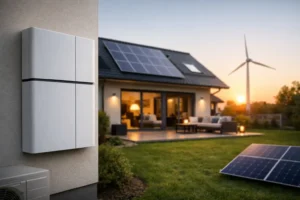
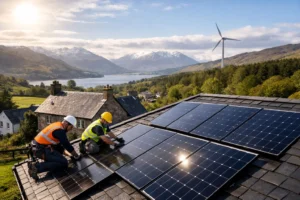
Electric heating systems and heat pumps can become more attractive when paired with solar panels. Solar electricity can help cover some daytime energy use, while a battery can store surplus power for later. The exact savings depend on how much electricity you generate, when you use it and your tariff.
It is worth being realistic here. Solar panels will not power a heat pump entirely through a dark winter, and a battery does not remove the need to buy electricity from the grid. But a well-designed combination can reduce the amount of electricity you need to purchase and give you more control over when you use energy.
For homeowners considering several upgrades, planning them together can prevent wasted money. For example, improving insulation first may mean you need a smaller heat pump. Installing solar later may influence the battery size that makes sense for your household.
Choose the upgrade that suits your home, not the sales pitch
The best route is usually a home assessment that looks at the full picture: your current bills, insulation, boiler age, radiator performance, household routine and plans for the property. Be wary of anyone promising a fixed saving without seeing your home or explaining the assumptions behind the figure.
Ask for clear costs, what is included in the installation, likely disruption, warranties and any ongoing maintenance. A good installer should make the process feel straightforward, not pressure you into the most expensive option. Newtech Renewables helps homeowners across Scotland and England understand practical choices without unnecessary jargon.
A warmer home often starts with one sensible change rather than a complete overhaul. Whether that is loft insulation, better controls, a new boiler or a heat pump assessment, the most useful next step is the one that fits your home and leaves you feeling confident about the cost.