If your gas and electricity bills keep climbing but the thought of paying thousands upfront for improvements puts you off, home energy upgrade grants are worth a closer look. For many households, they can make the difference between putting up with a cold, costly home and getting real improvements that start lowering bills much sooner.
The tricky part is that grants are rarely as simple as a headline makes them sound. What you can get depends on your home, your current heating, your income, where you live, and the scheme available at the time. That can make the whole process feel harder than it needs to be.
What are home energy upgrade grants?
Home energy upgrade grants are schemes designed to help households improve energy efficiency and heating without covering the full cost themselves. In practice, that can mean support towards insulation, heating system upgrades, air source heat pumps, solar panels in some cases, or other measures that make a home warmer and cheaper to run.
Some schemes are aimed at households on lower incomes or people receiving certain benefits. Others are linked to the energy performance of the property, the type of fuel used to heat the home, or local council priorities. There are also funded routes that work alongside private-pay options, which can help if a grant only covers part of the work.
That is why it helps to think of grants as a route to affordability rather than a promise of something completely free. Some homeowners qualify for fully funded work. Others may be offered a contribution, a partial grant, or a recommended package that mixes grant support with personal investment.
Why home energy upgrade grants matter now
For most homeowners, this is not really about chasing the latest green technology. It is about monthly costs, comfort, and avoiding waste. A home that loses heat quickly or relies on an older, inefficient system often costs more to run than people realise.
When a property is draughty or the boiler is struggling, you usually feel it in two places – your wallet and your day-to-day comfort. Rooms take longer to warm up, temperatures are less consistent, and winter becomes a season of constant thermostat adjustments.
Grants matter because they reduce the upfront barrier. Without support, even sensible improvements can get delayed for years. With support, households can act sooner and start seeing the benefit earlier. That is especially useful for families trying to balance rising living costs with the need to improve the home.
What kinds of upgrades might be covered?
The exact measures depend on the scheme, but most funded programmes focus on the improvements that make the biggest difference to efficiency and heating costs.
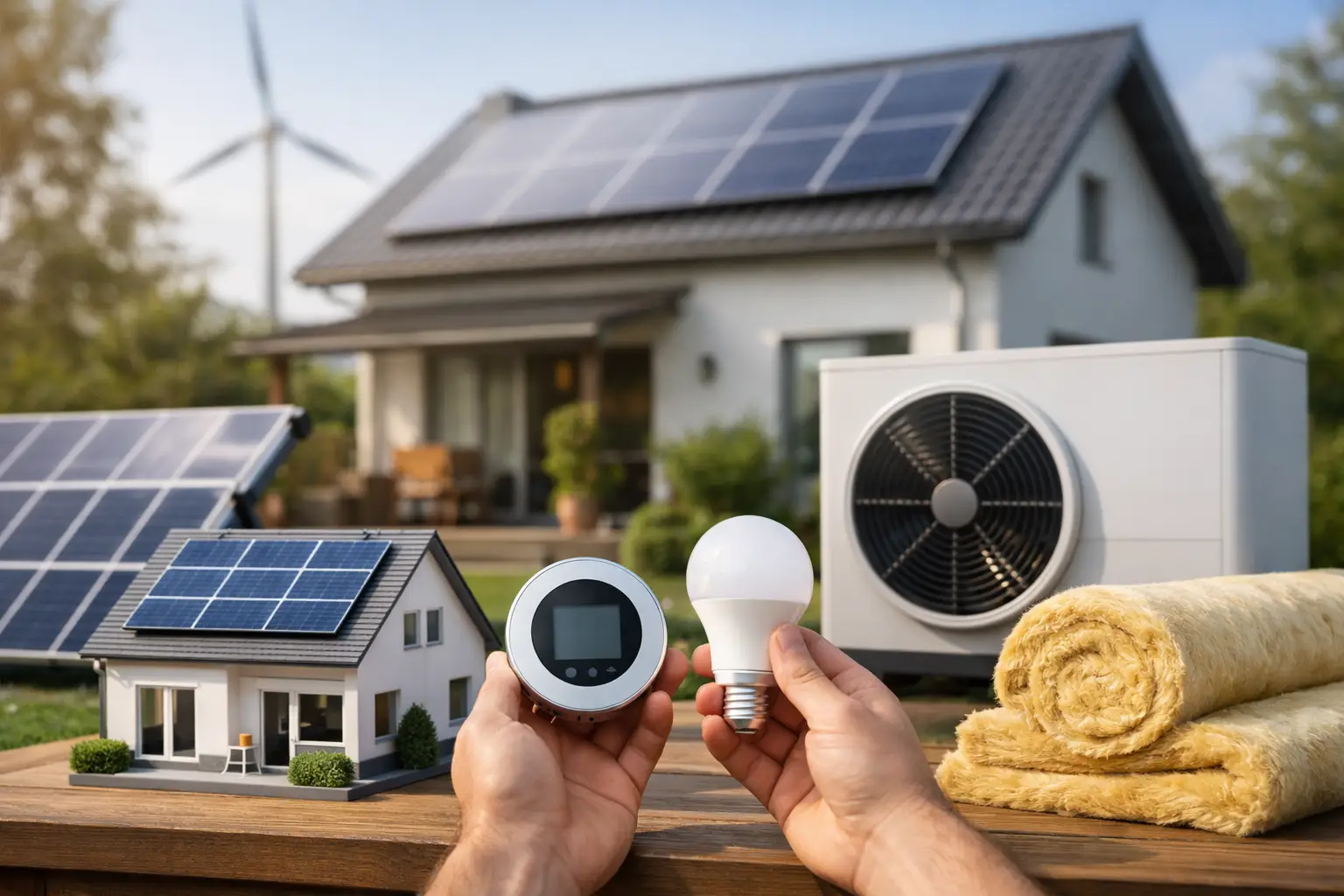
Insulation is often a major part of this. Loft insulation, cavity wall insulation, underfloor insulation and internal or external wall insulation can all help stop heat escaping. If your home cannot hold on to warmth, a new heating system on its own may not deliver the results you expect.
Heating upgrades are another common area. This may include replacing old boilers, fitting more efficient systems, or moving to low-carbon options such as air source heat pumps where the property is suitable. In some homes, controls and thermostats are part of the picture too, because better control can reduce wasted energy.
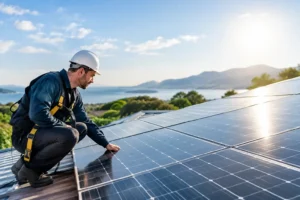
You may also come across schemes that support renewable technologies more directly. That does not mean every home will be offered every option. Suitability matters. A good installer should be honest if a measure is not right for your property.
Who can qualify?
This is where many people get stuck, because the answer is often: it depends.
Some grants are income-based and linked to benefits. Others are targeted at homes with poor energy performance ratings, or properties that are expensive to heat because they are off the gas grid or rely on older systems. In some cases, local authority rules or regional funding priorities can shape what is available.
Owner-occupiers may qualify under one scheme while private tenants or landlords may fall under another. Even the age, construction type and insulation levels of the property can affect eligibility. A stone-built home in one area may be assessed very differently from a newer semi-detached house somewhere else.
The main thing is not to rule yourself out too early. Plenty of homeowners assume they will not qualify and never check. Others assume every advertised scheme applies to them, only to find the detail is narrower than expected. A proper eligibility check is usually the quickest way to get clarity.
Why the cheapest option is not always the best one
It is understandable to focus on what is free or heavily subsidised. But the best result is not always the one with the biggest headline discount. It is the one that leaves you with a warmer, more efficient home and a system that suits how you actually live.
For example, if a grant covers one part of the job but your property also needs insulation or system upgrades around it, choosing only the funded element may limit the overall improvement. In the same way, a low-cost installation can still become expensive if it is badly specified or does not deliver the savings you were expecting.
That is why honest advice matters. A sensible recommendation should look at the full picture – your home, your energy use, your budget, and the likely return from the work. Sometimes a fully funded route is the right answer. Sometimes a blended approach gives better long-term value.
What to check before applying
Before moving ahead with any home energy upgrade grants, it helps to ask a few practical questions.
First, what problem are you trying to solve? If your main issue is cold rooms and heat loss, insulation may be the priority. If your heating system is old and unreliable, replacement or upgrade may make more sense. If bills are high across the board, a combination of measures could be the better route.
Second, how suitable is your home? Not every property is ideal for every technology. Age, build type, available space and existing heating all matter. A proper home assessment should look at these details rather than pushing a one-size-fits-all answer.
Third, what costs are covered and what are not? This is a big one. Some schemes cover installation but not every related upgrade. Some have caps. Some are fully funded only for certain households. Clear pricing and plain-English explanations can save a lot of frustration later.
Finally, who is managing the process? Grants often involve paperwork, checks and approvals. For many homeowners, the biggest relief comes from working with a company that handles the journey from assessment to installation without making it feel like a second job.
Common misunderstandings about home energy upgrade grants
One common myth is that grants are only for people in severe financial difficulty. In reality, some schemes are tightly targeted, but others are broader and based on property type, energy rating or local programme rules.
Another misunderstanding is that grants cover everything automatically. They do not. Funding can be limited, criteria can change, and suitability still matters. It is better to go in expecting a proper assessment rather than an instant yes.
There is also a tendency to assume newer technology always means bigger savings. Sometimes that is true, but not always. If a home leaks heat badly, the first wins may come from insulation and controls rather than the most talked-about heating system. Good advice should put savings and comfort first, not trends.
Making the process feel simpler
Most people do not want to become experts in funding rules, heating design and insulation standards. They just want straightforward answers, fair costs and a home that feels better to live in.
That is why the process matters almost as much as the grant itself. A clear assessment, realistic expectations and simple communication can take a lot of stress out of the decision. If you are comparing options, look for a provider that explains what you may qualify for, what difference the work is likely to make, and whether there are any extra costs before anything is agreed.
For homeowners across Scotland and England, that kind of practical support can make funded improvements feel far more accessible. Newtech Renewables focuses on exactly that – helping households understand what is possible without the jargon or hidden surprises.
If you are thinking about improving your home, the best next step is usually not to guess. It is to get the property checked properly, find out what support may be available, and base the decision on what will genuinely lower bills and improve comfort for your household.