When your electricity bill lands and it feels higher again, it is only natural to ask a simple question: can battery storage power home life in a meaningful way, or is it just a useful add-on? The honest answer is yes, a battery can power a home, but how much of your home it can cover and for how long depends on your usage, the size of the battery, and whether it is paired with solar.
That is where a lot of the confusion starts. Some homeowners picture a battery taking over everything in the house all day and all night. Others assume it is only there for a few lights and mobile phone chargers. The reality sits somewhere in the middle, and for many households that middle ground is where the savings are.
Can battery storage power home electricity use fully?
It can, but not always in the way people first imagine.
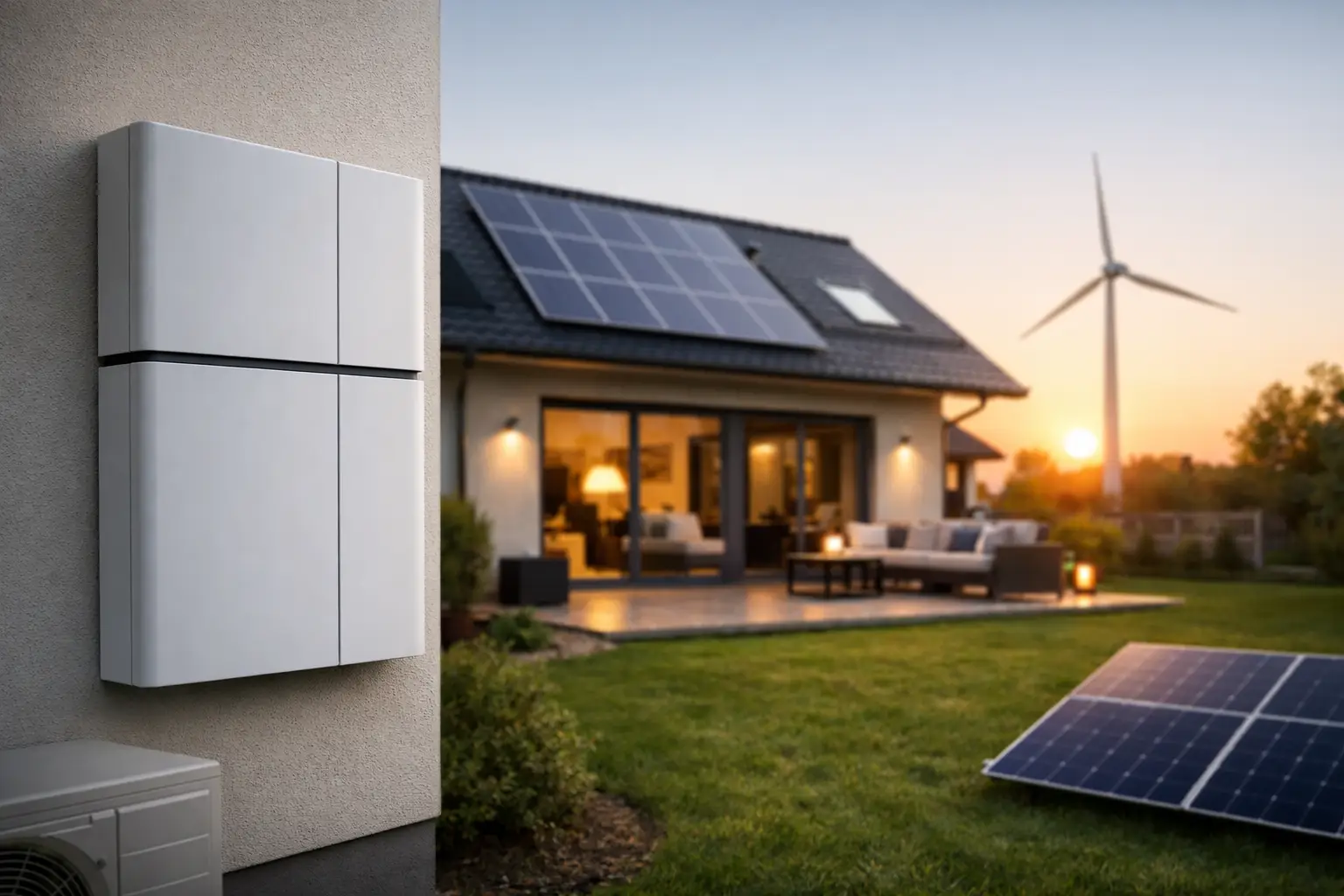
A home battery stores electricity so you can use it later. If you have solar panels, the battery can hold surplus power generated during the day instead of sending it back to the grid. If you do not have solar, some battery systems can charge from the grid during cheaper off-peak hours and let you use that electricity when prices are higher.
So yes, battery storage can power a home, but usually for selected periods rather than as a permanent standalone supply. A battery might run your home through the evening after a sunny day, or help cover breakfast and early morning usage after charging overnight on a cheaper tariff. That can make a real difference to bills.
Whether it can cover your whole house depends on two main things: your battery capacity and your demand at any given moment. A smaller household with careful energy use will get much more from the same battery than a larger home running an electric shower, tumble dryer, oven and heat pump all at once.
What can a home battery realistically run?
In practical terms, a battery can usually run the essentials without any issue. Lighting, television, broadband, laptops, mobile phone charging, fridge freezers and many everyday appliances are well within the range of a properly sized system.
The challenge comes with high-demand items. Kettles, electric ovens, immersion heaters and some electric heating systems pull a lot of power quickly. A battery may still run them, but they drain stored energy much faster. That means the question is not just what the battery can power, but for how long.
For example, if your home uses most of its electricity in the morning and evening, a battery can be very useful. It can help you avoid buying as much expensive peak-rate electricity from the grid. If your usage is spread heavily across the entire day and night, or you rely on several power-hungry appliances together, you may need a larger system to see the same benefit.
This is why simple, honest sizing matters. Bigger is not always better if the extra cost outweighs the likely savings. On the other hand, going too small can leave you disappointed because the battery empties before the day is done.
How long does battery storage last in a home?
That depends on the battery size and how much electricity your household gets through.
As a rough idea, many domestic battery systems are sized to store enough electricity to cover evening use rather than a full 24 hours of normal life. For some homes, that could mean several hours of useful support. For others, especially with lower usage, it may stretch much further.
A battery is not usually designed to turn an average grid-connected house into a fully off-grid property. It is there to reduce reliance on expensive imported electricity, make better use of solar generation, and give you more control over when you use power.
There is also the longer-term meaning of lifespan. Most modern battery systems are built to last for years, but they do not stay at 100 per cent performance forever. Over time, capacity slowly reduces. That is normal. A good system should still offer strong value over its working life, but it is worth going in with realistic expectations rather than assuming it will perform exactly the same forever.
Battery storage with solar vs battery storage without solar
This is one of the biggest factors in whether battery storage makes sense for your home.
With solar panels, the case is often easier to understand. Your panels generate electricity during daylight hours, often when you are out or simply not using everything your system is producing. Without a battery, some of that spare electricity goes back to the grid. With a battery, more of it can stay in your home for later use. That means you buy less electricity in the evening, which is often when people need it most.
Without solar, battery storage can still work well, but the savings depend more heavily on your tariff. If you can charge the battery using lower-priced electricity overnight and then use it during higher-priced periods, there may still be a benefit. But the numbers need to stack up properly.
That is why the best answer is not a blanket yes or no. It depends on your tariff, your consumption pattern, and the cost of the system. A setup that saves one household a solid amount each year might offer only modest returns for another.
Can battery storage power home backup during a power cut?
Sometimes, but not always.
This catches many people out. Not every battery storage system automatically keeps your home running during a power cut. Some are designed mainly to store and shift energy for cost savings, not to act as backup supply. If backup is important to you, that needs to be part of the system design from the start.
Even where backup is available, the battery may only support certain circuits rather than the whole property. That could include lights, sockets, refrigeration and internet, which for many households is enough to keep things manageable until power returns.
If your main reason for buying a battery is resilience during outages, make sure that point is discussed clearly before installation. It is far better to know exactly what your system will and will not do than assume all batteries work the same way.
Is battery storage worth it for cutting bills?
For many homeowners, yes, especially when combined with solar. But worth is a practical question, not a trendy one.
If your main goal is lowering bills, battery storage can help by reducing how much electricity you buy at expensive times. It can also improve the value of your solar setup because more of the power you generate gets used at home rather than exported.
That said, the payback depends on upfront cost, battery size, electricity prices and how your home uses energy. A household that is empty all day may benefit greatly from storing daytime solar for evening use. A household that already uses most of its solar generation as it happens may see less of an improvement from adding a battery.
For homes in Scotland and England dealing with high energy costs, the attraction is obvious. More control over your own electricity use can mean steadier, more predictable bills. But a good installer should still talk you through likely savings based on your property, not just broad promises.
Who is battery storage best suited to?
Battery storage tends to suit homeowners who want simpler control over rising electricity costs and who are likely to use stored energy at the right times.
It is especially appealing if you already have solar, are planning solar, or are on a tariff where timing your electricity use makes a noticeable difference. It can also suit people who want to make their home more efficient step by step rather than changing everything at once.
It may be less compelling if your electricity use is very low, your home does not have enough demand in the evening, or the system cost is likely to outweigh the savings. That does not mean it is a bad idea. It just means the best option should match your home and your budget.
A stress-free process matters here as much as the equipment itself. Clear advice, sensible sizing and no hidden costs make a much bigger difference than technical jargon.
The real answer to the question
So, can battery storage power a home? Yes, it can. In many cases it can power a large part of daily household use and make your home less dependent on peak-rate electricity. But it is not magic, and it is not one-size-fits-all.
The best results come when the system is sized around how you actually live – when you are home, what appliances you use, whether you have solar, and what you want the battery to achieve. For some people, that means lower evening bills. For others, it means better use of their solar power or a bit of added peace of mind.
If you are considering battery storage, the most useful next step is not chasing the biggest unit on the market. It is getting straightforward advice based on your home, your habits and your budget. That is usually where the real savings begin.