A solar panel system can still produce useful electricity on a bright Scottish day, even when the sun is not blazing. But the amount it generates changes hour by hour and season by season. Understanding what affects solar output helps you set realistic expectations, compare quotes fairly and choose a system that works hard for your household.
The short answer is that your roof, the weather, shading and the way the system is designed all matter. So does how much of the electricity you use while it is being generated. A good installation is not about chasing the biggest number on paper. It is about creating sensible savings for your home and budget.
What affects solar output most?
Roof direction and angle
In the UK, a south-facing roof usually produces the highest total annual generation because it receives the most direct sunlight across the day. South-east and south-west roofs can also work very well, and they may suit how your household uses energy.
For example, an east-facing array tends to generate more in the morning, while a west-facing array produces more later in the afternoon and early evening. If people are home after work, cooking dinner, charging devices or running appliances at that time, a west-facing system can be particularly useful.
The angle of the roof plays a part too. A moderate slope is generally ideal, but solar can still be worthwhile on roofs that are flatter or steeper. The difference is often smaller than homeowners expect, especially when compared with the effect of shading. A proper survey considers the full picture rather than ruling out a roof based on direction alone.
Shade from trees, chimneys and nearby buildings
Shade is one of the biggest factors affecting solar output. It is not only tall trees or neighbouring properties that matter. A chimney, dormer window, satellite dish or roof vent can cast a moving shadow across panels at different times of day.
Even partial shade can reduce generation from more than one panel, depending on how the system is set up. This is why careful panel layout is so important. In some cases, using optimisers or microinverters can help reduce the impact of shade on the rest of the array. They add cost, so they are not needed for every property, but they can be a sensible choice where shading cannot be avoided.
Trees also change through the year. A roof that looks clear in winter may be shaded once leaves return in spring. During an assessment, it is worth pointing out any trees that are likely to grow or any planned building work nearby.
Daylight, cloud and the Scottish seasons
Solar panels need daylight, not heat. They can generate electricity on cloudy days, although output will be lower than on a clear, sunny day. Scotland has plenty of overcast weather, but it also has long daylight hours in late spring and summer, which can support strong generation.
Seasonality is simply part of owning solar. Output is usually highest from around April to September, while short winter days mean lower generation. December and January can be quiet months, particularly if panels are shaded or covered by snow. That does not mean solar is ineffective here. It means savings should be viewed across the full year, not judged by one week in winter.
A trustworthy estimate should reflect your location and roof rather than relying on a one-size-fits-all figure. It should also make clear that predicted generation is an estimate, not a promise of identical output every day.
Panel size and system design matter too
A larger system will normally generate more electricity, provided there is suitable unshaded roof space. However, bigger is not always automatically better. The right size depends on your electricity use, roof layout, budget and future plans.
If you expect to add an electric vehicle, electric heating or an air source heat pump, it may make sense to allow for higher electricity demand. On the other hand, fitting more panels than you can use or store may mean more electricity is exported to the grid at a lower value than the electricity you avoid buying.
The inverter also needs to be correctly matched to the panels. This is the equipment that turns the direct current from panels into usable alternating current for your home. An undersized inverter may limit peak generation on very bright days. A slightly smaller inverter can sometimes be a practical, cost-effective design choice, but it should be selected deliberately and explained clearly.
Your installer should also check the roof structure, cable routes and local grid connection requirements. These details do not always change the sunlight reaching your panels, but they affect whether the proposed system is safe, compliant and capable of delivering the expected benefit.
Heat, dirt and panel condition
It may sound surprising, but very hot weather can reduce solar panel efficiency. Panels produce electricity from light, and they generally work more efficiently when they are cooler. This is one reason a crisp sunny spring day can sometimes deliver excellent output.
In most UK homes, rain does a reasonable job of washing away ordinary dust. Still, bird droppings, heavy pollen, moss, leaves or grime can build up and block light, especially on lower-pitched roofs or near trees. If you notice a sudden and lasting drop in output, visible dirt could be one possible cause.
Cleaning is not something most homeowners need to do regularly, and climbing onto a roof is not worth the risk. It is better to check the system’s monitoring first, look for obvious issues from ground level and arrange professional advice if performance appears unusually low.
Solar panels slowly lose a small amount of output as they age. This degradation is gradual, not dramatic. Quality panels are built to keep generating for many years, but warranties, installation quality and ongoing checks all give extra peace of mind.
Solar generation is not the same as solar savings
One of the most useful things to understand is the difference between what your panels generate and what you save. Panels may produce plenty of electricity in the middle of the day, but if nobody is using power at home, some of it may be sent to the grid.
Using more solar electricity as it is generated usually improves your savings. Simple changes can help: run the washing machine or dishwasher during daylight hours, charge devices then, or set suitable timers for appliances. Smart controls can make this easier without turning everyday life into a routine of watching the weather forecast.
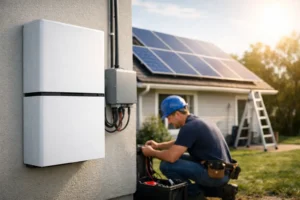
A battery does not make your panels generate more electricity. What it can do is store unused daytime generation for use later, such as during the evening. For homes where people are out during the day, this can make a meaningful difference to how much solar power they use themselves.
Whether a battery is worthwhile depends on your consumption pattern, electricity tariff, budget and expected savings. It is a useful option, not a compulsory add-on. The best choice is the one that makes financial sense for your home.
How to tell if your solar panels are performing well
Most modern systems include an app or monitoring portal. This lets you see daily, monthly and yearly generation, helping you spot broad patterns. Compare a sunny day with another sunny day, or one month with the same month last year, rather than expecting July and January figures to look alike.
A sudden zero reading, repeated error message or sharp unexplained fall in output deserves attention. It could be a monitoring issue, inverter fault, tripped switch or another problem that needs checking. Keep any installation paperwork and warranty details somewhere safe, as they can help when arranging maintenance.
It is also worth remembering that a neighbour’s system is not a perfect comparison. Their roof direction, panel count, shading, energy use and equipment may be completely different from yours.
Start with your home, not a headline figure
The best way to estimate solar output is to assess the property properly. Roof direction, usable space, shading, household electricity use and future plans all deserve a place in the conversation. Clear answers before installation make it far easier to feel confident afterwards.
For homeowners across Glasgow and the Central Belt, Newtech Renewables can help make those choices straightforward, with practical advice and no unnecessary jargon. The aim is simple: a well-designed system that helps you buy less electricity from the grid and makes your energy bills feel more manageable over time.