When your energy bill lands and it is higher than expected again, the problem usually is not just one thing. It is often a mix of heat escaping, heating controls doing a poor job, and a home working harder than it needs to. If you are wondering how to reduce home energy bills without making life uncomfortable, the good news is that the biggest wins usually come from a few practical changes rather than a full house overhaul.
The key is to start with what wastes the most money in your home. For many UK households, that means heating. If your home loses warmth quickly, your boiler or heat pump has to run longer. If your system is old or badly set up, it can cost more than it should. And if you are using electricity at the wrong times or without any support from solar or battery storage, bills can climb even when usage feels normal.
How to reduce home energy bills without guesswork
A lot of homeowners try to save money by cutting back in small ways, like switching off lights more often or unplugging chargers. Those habits help a bit, but they rarely make the biggest difference. Space heating and hot water usually account for the largest share of household energy use, so that is where it makes sense to focus first.
A warmer, more efficient home is not about putting up with cold rooms. It is about keeping the heat you already pay for. If your loft insulation is poor, your radiators are heating draughty spaces, or your controls are too basic, you are spending money and getting less comfort in return.
That is why the best approach is usually layered. Start with lower-cost fixes, then look at system upgrades that can bring longer-term savings. Not every home needs solar panels straight away. Not every home is ready for a heat pump tomorrow. But almost every home has a few clear opportunities to cut waste.
Start with heat loss before buying new tech
If your home leaks warmth, even the best heating system will struggle. Loft insulation, cavity wall insulation where suitable, and draught-proofing around doors and windows can all make a noticeable difference. These are not the most exciting improvements, but they are often some of the most cost-effective.
There is a trade-off here. Some older properties, especially solid-wall homes, need more careful planning. The right solution depends on the building type, existing ventilation and your budget. Going too cheap with the wrong insulation can cause problems, so it is worth getting proper advice before making major changes.
That said, simple draught reduction is usually a safe place to begin. Sealing gaps around external doors, fitting chimney balloons where appropriate, and sorting obvious cold spots can reduce the amount of heating your home needs day to day.
Get more from the heating system you already have
Before replacing your system, make sure the current one is not costing you more than necessary. Many homes have heating controls that are either outdated or not being used properly. If your thermostat is set too high, your timer is heating an empty house, or individual rooms cannot be controlled well, waste builds up quickly.
Smart thermostats and thermostatic radiator valves can help, especially in busy family homes where schedules change. They give you more control over when and where heat is used. The savings vary, though. If you already manage your heating carefully, the difference may be modest. If your heating has been running on a rough routine for years, the improvement can be much bigger.
It is also worth checking whether your boiler is still working efficiently. An older non-condensing boiler can be expensive to run compared with a modern energy-efficient model. Even if it still turns on and heats water, that does not mean it is doing the job economically. A service, repair or upgrade can improve performance and reduce unnecessary fuel use.
Consider whether a heat pump suits your home
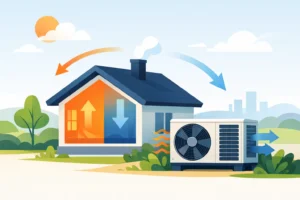
For some households, an air source heat pump is one of the strongest long-term answers to how to reduce home energy bills. It can offer lower running costs than older heating systems, particularly when paired with a well-insulated home and the right controls. It can also deliver a steadier, more comfortable heat rather than short bursts of very hot air or water.
But this is where honesty matters. A heat pump is not a one-size-fits-all fix. The property needs to be assessed properly. Radiators may need upgrading, insulation may need improving, and the overall setup has to match the way the home uses heat. When it is well designed, it can work brilliantly. When it is rushed or badly matched, homeowners can end up disappointed.
For eligible households, funded support such as ECO 4 may also help with heating and efficiency upgrades. That can make improvements far more affordable than many people expect, particularly for homes that are expensive to heat or have older systems in place.
Solar panels can cut daytime electricity costs
If your electricity use is high during the day, solar panels can make a real dent in bills. They generate power from daylight, which means you buy less from the grid while the system is producing. That can be especially useful for households where someone is at home during working hours, families doing regular laundry and cooking, or anyone using electric heating support alongside other systems.
The amount you save depends on how much of the electricity you use yourself. That is the part many people miss. Solar is most valuable when your home can use the power as it is generated. If you are out all day and most of your usage happens in the evening, you may still benefit, but the savings profile looks different.
Roof position, shading and available space also matter. A proper assessment is important because not every roof delivers the same return. Good solar should feel simple and worthwhile, not like a confusing technical project.
Battery storage helps you use more of your own power
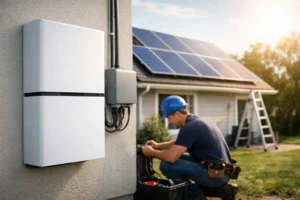
Battery storage can work well alongside solar because it lets you keep surplus electricity for later. Instead of sending all unused daytime generation away, you can save some for evening use. That means less reliance on grid electricity during peak times.
For some homes, battery storage adds strong value. For others, it takes longer to justify the upfront cost. It depends on your electricity use, tariff, system size and whether you are home enough to use solar directly in the first place. Households with larger evening electricity demand often see the appeal more quickly.
This is a good example of why package pricing and clear advice matter. The right setup is not always the biggest setup. It is the one that fits your property and your bills.
Small daily changes still matter
While major savings often come from heating and generation upgrades, the smaller habits are still worth keeping. Running appliances on full loads, washing at lower temperatures, switching to LED lighting and avoiding unnecessary tumble dryer use can all help trim costs.
Hot water use is another area people overlook. Slightly shorter showers, fixing dripping hot taps and insulating a hot water cylinder where relevant can reduce waste without making life difficult. These changes will not usually transform your bills on their own, but together they support the bigger improvements.
If you work from home, look closely at background energy use. A spare room heated all day, an extra monitor, and appliances left running can quietly add up over a month. Sometimes the best saving comes from being more targeted rather than simply trying to use less of everything.
Check what support you may be entitled to
One reason homeowners delay action is the fear of upfront cost. That is understandable, especially when bills are already high. But support schemes can change what is possible. Depending on your circumstances and property, funded or part-funded improvements may be available for insulation or heating upgrades.
That is particularly relevant in parts of Scotland and England where older housing stock can be expensive to heat. If your home feels cold, your system is outdated, or you think you may qualify for support, it is worth checking rather than assuming everything has to be paid for privately.
Newtech Renewables focuses on exactly this kind of practical, stress-free help – looking at what suits the home, what fits the budget and what can bring savings without unnecessary complication.
The best order to tackle energy savings
If you are unsure where to begin, think in this order: stop heat escaping, improve heating efficiency, then look at generating your own energy. That sequence usually gives the clearest results.
There are exceptions. If your roof is ideal for solar and your electricity use is high, that may move up the list. If your boiler is unreliable and costly to run, heating replacement may need to come first. But in most homes, reducing waste before adding new systems gives better value.
The aim is not to chase every energy-saving idea at once. It is to make smart decisions that lower bills and make the house more comfortable to live in. A home that holds heat properly, uses efficient equipment and produces some of its own power is usually cheaper to run and far less frustrating month after month.
If you want lower bills, start with the change that removes the biggest waste in your home, not the trendiest upgrade. That is usually where the real savings begin.