If your petrol bills keep climbing and your home still never feels quite warm enough, this guide to air source heating is a good place to start. Air source heating can sound like a big leap, but for many households it is simply a more efficient way to heat your home and hot water. The trick is knowing where it works well, where it needs a bit more planning, and what it might mean for your bills.
What air source heating actually is
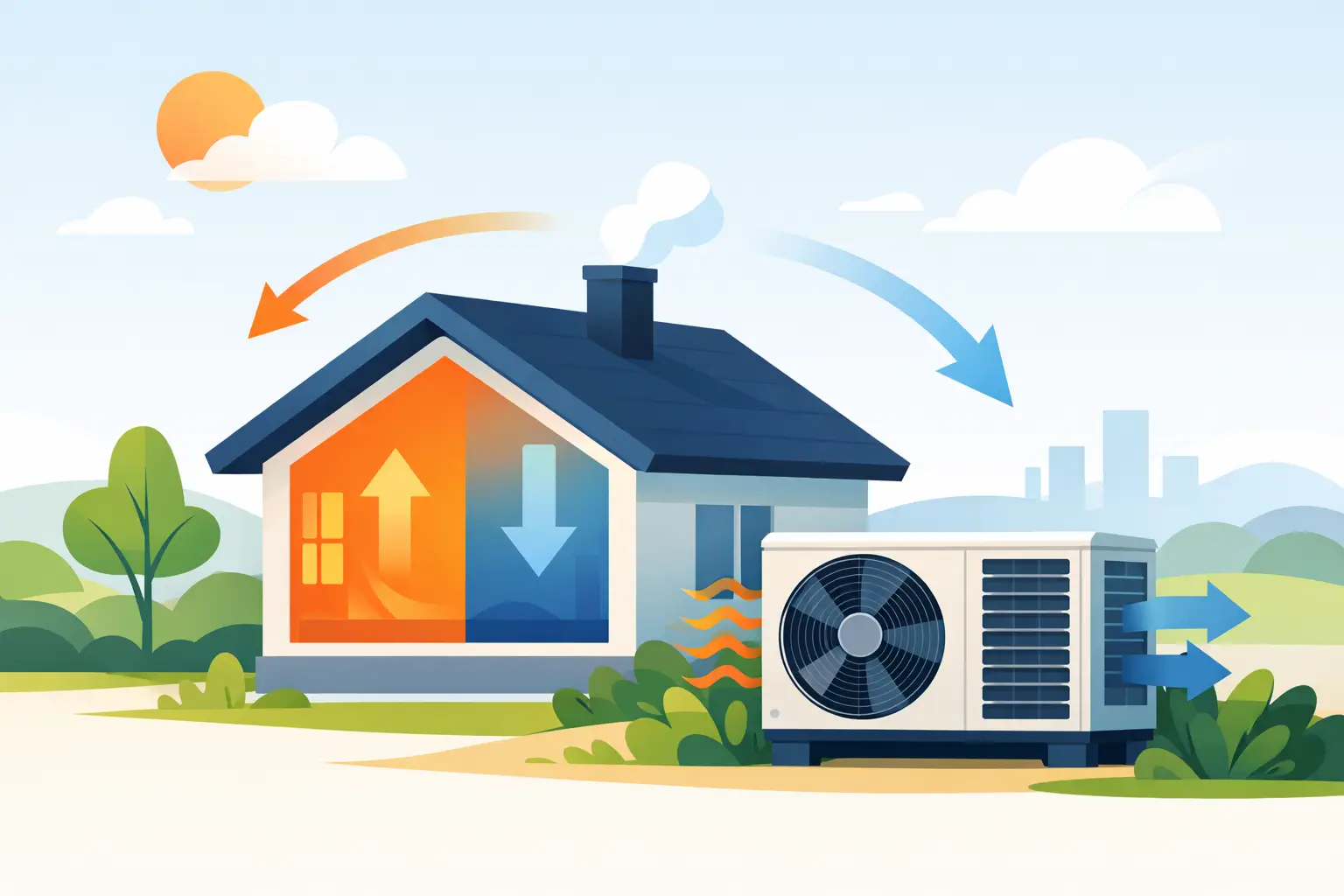
An air source heat pump takes heat from the outside air and uses it to warm your home. Even when it feels cold outside, there is still heat in the air that the system can collect and turn into usable warmth.
Instead of burning fuel like a petrol or oil boiler, it moves heat from one place to another. That is why it can be much more efficient. In simple terms, it uses electricity to run, but it can produce more heat energy than the electricity it consumes.
For most homeowners, the main appeal is straightforward. You get a low carbon heating system that can help cut running costs, improve comfort, and reduce your reliance on fossil fuels.
A guide to air source heating for everyday homes
The biggest misunderstanding is that air source heating only suits new-build homes or expensive self-build projects. That is not always true. Plenty of existing UK homes can be suitable, including older properties, but the results depend on the condition of the house and how well the whole system is designed.
A heat pump works best when it can provide steady, consistent warmth rather than short bursts of very high heat. That means it suits homes that hold heat well. Loft insulation, cavity wall insulation where appropriate, good glazing, and sensible draught-proofing can all make a big difference.
It also helps to have radiators sized correctly or, in some cases, underfloor heating. Because heat pumps usually run at lower flow temperatures than traditional boilers, the heating emitters need to be able to deliver enough warmth without relying on very hot water.
That does not mean you need to rip everything out and start again. Some homes only need a few radiator upgrades and a system check. Others may need more work to get the best performance. This is where a proper home assessment matters.
How it feels to live with air source heating
One of the main differences is how the heat is delivered. A boiler often heats the house quickly in sharp bursts. Air source heating is more about maintaining an even temperature over longer periods.
For many households, that can actually feel more comfortable. Rooms stay more stable, and you are less likely to get that swing between too cold and too hot. The downside is that it rewards a different way of using your heating. If you are used to turning the boiler on for a short blast, a heat pump may feel unfamiliar at first.
Once the controls are set up properly, most people find it simple. The aim is not to keep fiddling with the thermostat. It is to let the system do its job steadily and efficiently.
What does air source heating cost?
This is usually the first real question, and rightly so. Air source heating costs more upfront than a straightforward boiler replacement. The total price depends on the size of your home, the heat pump itself, any radiator changes, hot water cylinder requirements, and whether insulation improvements are needed.
That said, the full picture matters more than the installation cost alone. A cheaper system that is not right for the property can cost more in the long run through poor performance and higher running costs.
There may also be funding or support available for some households, including government-backed schemes and grant-funded improvements depending on eligibility. For homeowners in England and Scotland, that can make air source heating much more accessible than many people expect.
The best approach is to look at the likely running costs, the work your home needs, and any support you may qualify for. That gives you a more honest view than comparing headline prices alone.
Will it save money on bills?
Sometimes yes, but not in exactly the same way for every home. Savings depend on what heating system you are replacing, how well insulated the property is, your electricity tariff, and how the system is installed and used.
If you are replacing older electric heating, oil, LPG, or an inefficient boiler, the chances of worthwhile savings can be strong. If you already have a modern, efficient petrol boiler and low petrol prices, the financial difference may be smaller. Even then, some homeowners still choose air source heating for comfort, future-proofing, and lower carbon emissions.
This is why honest advice matters. A good installer should not promise the same level of savings to everyone. They should look at your current bills, your home, and your heating habits before giving any figures.
Is your home suitable?
A proper guide to air source heating should be clear about this: suitability is not just about space outside for the unit. That matters, of course, but it is only one part of the job.
Your home is more likely to be suitable if it has decent insulation, enough room for the outdoor unit, and a heating system that can work efficiently at lower temperatures. You will also usually need space indoors for a hot water cylinder if you do not already have one.
Some homes are more straightforward than others. A well-insulated semi-detached house with modern radiators is often simpler than a very draughty older property with undersized emitters. But older homes should not be ruled out automatically. They just need a more careful look.
Noise is another common concern. Modern units are much quieter than many people expect, but placement still matters. A well-planned installation takes account of neighbours, practical access, and how the system fits into day-to-day life.
What happens during installation?
For most homeowners, the worry is not the technology. It is the disruption. The good news is that a well-managed installation should feel organised rather than overwhelming.
It usually starts with a home survey to check heat loss, insulation levels, radiator sizes, pipework, and hot water needs. From there, you should get clear recommendations on what is needed and what is optional.
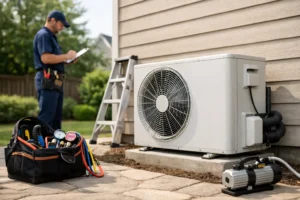
Installation may involve fitting the outdoor unit, making changes to the heating system indoors, adding or replacing a hot water cylinder, and upgrading some radiators if required. The timescale varies, but it is more involved than a simple boiler swap.
This is one reason homeowners often prefer a company that handles the full process from assessment to installation. It keeps things simpler, reduces crossed wires, and gives you one clear point of contact.
Common mistakes to avoid
The biggest mistake is treating a heat pump like a direct boiler replacement without considering the rest of the home. If the house loses heat quickly or the radiators are too small, performance can suffer.
Another issue is choosing based on price alone. Cheap quotes can leave out important upgrades, which may only become obvious once the system is running poorly. A proper design is not a luxury. It is what makes the system work.
It also helps to avoid unrealistic expectations. Air source heating can be an excellent option, but it is not magic. It works best as part of a home that is set up to use heat efficiently.
Who air source heating is best for
Air source heating tends to suit homeowners who want lower long-term energy use, more stable indoor comfort, and a practical route away from fossil fuel heating. It can be especially appealing if your current system is ageing, expensive to run, or due for replacement anyway.
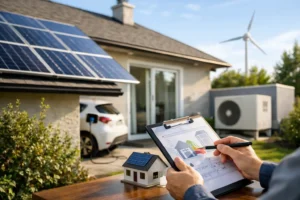
It may also be a strong option if you are improving your home in stages. For example, you might combine better insulation, solar panels, or battery storage over time to bring your bills down further.
For some households, though, the best next step is not immediate installation. It might be improving insulation first, replacing poor radiators, or checking whether funded support is available before making a decision. There is nothing wrong with taking it one step at a time.
The question to ask before you buy
The most useful question is not, “How much is a heat pump?” It is, “What would air source heating look like in my home?” That is where the real answer lives.
A good installer should explain what needs to change, what should stay, what savings are realistic, and how the system would fit your budget. At Newtech Renewables Ltd, that kind of straightforward advice matters because homeowners need clear answers, not jargon.
If you are weighing up your options, keep it simple. Start with whether your home holds heat well, whether your current system is costing too much to run, and whether you want a heating setup that is built for the years ahead. The right choice should leave you feeling warmer, clearer, and more confident than when you started.