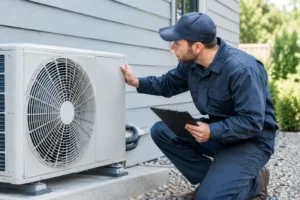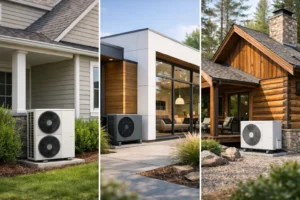
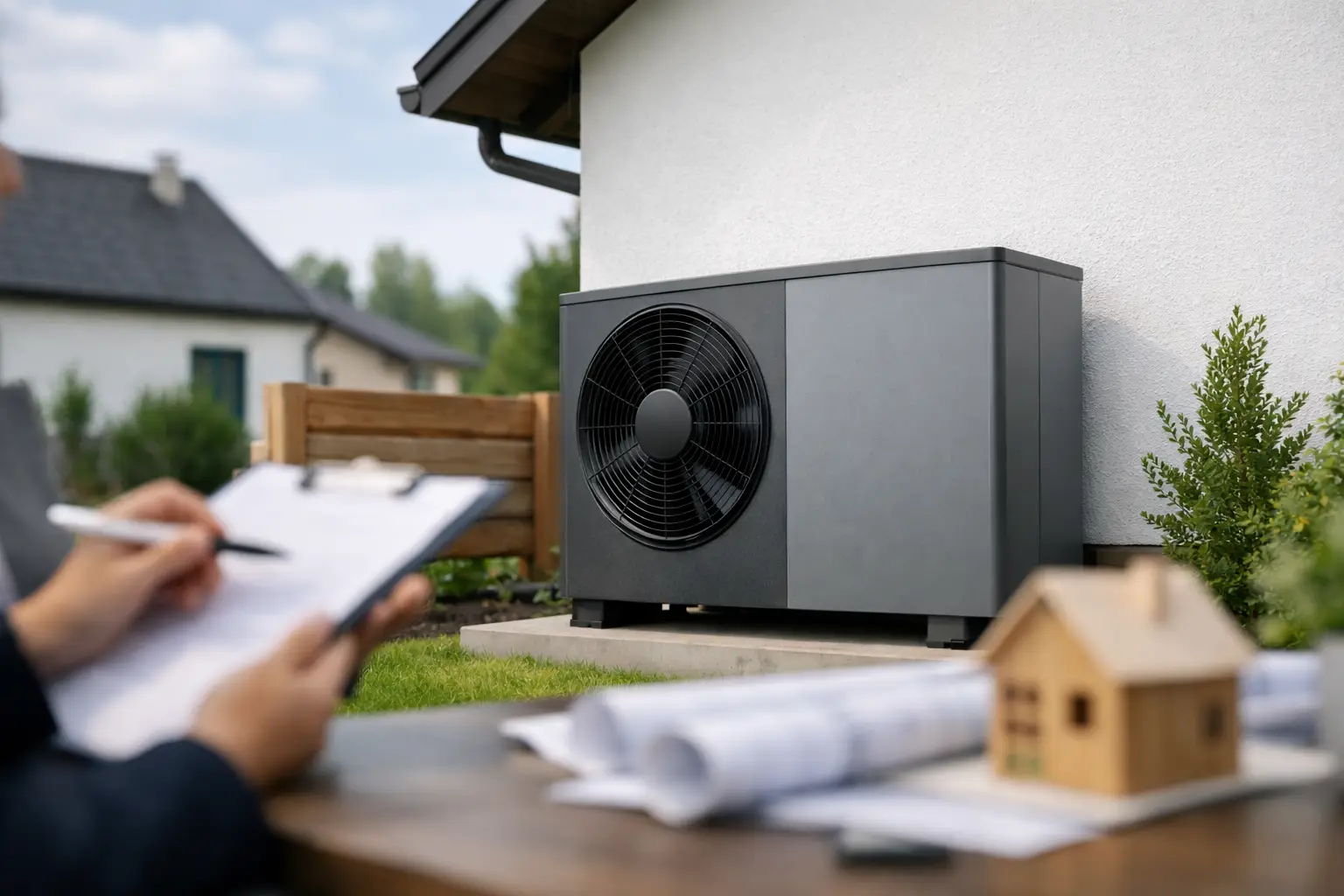
If you are pricing up a new heating system, one of the first questions is often: do heat pumps need planning permission? The short answer is usually no for many homes, but not always. A few details about your property, the type of heat pump, and where it will be fitted can change the answer quickly.
That is why this part matters before you book an installation date. Getting it right early helps you avoid delays, unexpected costs, or being told to move equipment after the work is done.
Do heat pumps need planning permission in the UK?
In many cases, air source heat pumps can be installed under permitted development rights, which means you may not need to make a full planning application. These rights are designed to make home improvements simpler, especially when the changes are considered low impact.
But permitted development is not a free pass for every property. The rules depend on things like the size and position of the outdoor unit, how close it is to your boundary, and whether your home has any special planning restrictions. If you live in a listed building, a conservation area, a flat, or a property that has already had planning conditions attached, extra checks are sensible.
Ground source heat pumps can be a little different. If most of the system is below ground, planning issues may be limited, but any visible plant, external housing or major groundworks can still bring extra requirements into the picture.
When planning permission usually is not needed
For a standard house, an air source heat pump is often allowed without full planning permission if it meets the relevant permitted development conditions. In plain English, that usually means the unit is sensibly placed, not oversized for the setting, and does not create an obvious nuisance.
The outdoor unit generally needs to be installed in a way that keeps visual impact and noise under control. Installers also need to follow recognised standards, especially around sound levels. This is one reason it pays to use an experienced company rather than treating it as a basic like-for-like swap.
If your home is a typical detached, semi-detached or terraced house with enough outside space, the process is often straightforward. Many homeowners are relieved to find that planning is less of a hurdle than they expected.
Situations where the answer changes
This is where the simple answer becomes a bit more honest: it depends.
If your property is listed, you will normally need extra consent before any work that affects its character. That can apply even when the heat pump itself seems modest. Similarly, homes in conservation areas can face tighter rules about where equipment is placed, especially if it is visible from the road.
Flats and maisonettes can also be more complicated. Permitted development rights that apply to houses do not always apply in the same way to other property types. Leasehold properties may bring another layer, because you might need approval from a freeholder or managing agent as well as any planning check.
You may also need to slow down and confirm the position if your local authority has removed permitted development rights in your area. This can happen through an Article 4 direction or previous planning conditions on the property. It is not the most common situation, but it does happen.
The main checks that affect planning
When people ask do heat pumps need planning permission, they are usually really asking what could stop the installation from being simple. In most cases, it comes down to a handful of practical points.
One is location. An outdoor unit fitted at the side or rear of the property is often easier to approve than one placed prominently at the front. Another is distance from neighbours and boundaries, especially if space is tight.
Noise is another key factor. Modern heat pumps are much quieter than many people expect, but local rules still matter. A badly positioned unit near a neighbour’s window can cause concern even if the system itself is well within normal limits. Good design solves many of these issues before they become problems.
Size and number of units can matter too. A standard domestic setup is usually easier to fit within the rules than a larger or more unusual arrangement.
Scotland and England – same question, slightly different process
If you are in Scotland or England, the broad idea is similar: many heat pump installations can go ahead without full planning permission if they meet the right conditions. But the exact wording of the rules and how local authorities apply them can differ.
That is why it is worth checking the guidance that applies to your home rather than relying on a general answer online. Advice from a qualified installer can save time here, because they will usually know the common sticking points and whether your property needs a closer look.
For homeowners, the important thing is not memorising policy language. It is making sure the right checks happen before installation starts.
What about listed buildings and conservation areas?
These are the homes where extra care is most worthwhile. A heat pump can still be possible, but the placement needs more thought and the approvals process may take longer.
With listed buildings, the local authority is likely to look at whether the work changes the appearance or historic character of the property. Pipe routes, external trunking, wall fixings and the position of the outdoor unit can all matter. In a conservation area, visual impact tends to be a bigger issue than in an ordinary residential street.
This does not mean you should rule a heat pump out. It simply means early planning is more important. The right design can often make the difference between a smooth approval and a frustrating delay.
Building regulations are separate from planning permission
This catches people out all the time. Even if you do not need planning permission, the installation still needs to comply with building regulations and technical standards.
That covers areas such as electrical safety, system performance, pipework, and correct commissioning. If the unit has to meet noise standards under permitted development, that also needs to be addressed properly. In other words, no planning permission does not mean no rules.
A reliable installer should guide you through this and make clear what is included. That is especially helpful if you want the process to stay stress free and avoid hidden extras later on.
How to check before you go ahead
The easiest route is to start with a proper home assessment. A good installer can often spot straight away whether your property looks like a standard permitted development case or whether it needs a planning check.
If there is any doubt, it is usually best to confirm with the local authority before work begins. That may feel like an extra step, but it is far better than finding out afterwards that the unit is in the wrong place.
It also helps to ask a few simple questions early on. Is your home listed? Are you in a conservation area? Is the property leasehold? Has the house had unusual planning conditions in the past? Those details can shape the whole process.
The practical answer most homeowners need
For many houses, the answer to do heat pumps need planning permission is no – not if the system is designed and installed within the permitted development rules. That is the outcome most homeowners are hoping for, and in plenty of cases it is exactly how the project proceeds.
Where people run into trouble is assuming every home qualifies automatically. A quick check at the start is much easier than sorting out a planning issue once scaffolding is up and the install team is booked.
If you want lower running costs, a warmer home and less hassle, the best next step is not guessing from forum posts. It is getting clear advice based on your property, your layout and the kind of heat pump you actually want fitted.
A heat pump should make home life simpler, not more complicated. When the checks are done properly at the start, the whole job tends to feel a lot more straightforward.