
A high energy bill rarely comes from just one problem. It may be heat escaping through the loft, an ageing boiler working harder than it should, draughts around windows, or electricity being used at the most expensive times. This energy assessment guide explains how to look at your home properly, so you can spend money on improvements that make a real difference.
The aim is not to fill your home with the latest technology. It is to understand where energy is being wasted, what will improve comfort, and which upgrades suit both your property and your budget.
What is an energy assessment?
An energy assessment is a practical check of how your home uses energy and where it loses heat. It looks at the building itself, your heating and hot water system, electricity use, and any existing insulation or renewable technology.
It is different from simply being told that solar panels or a heat pump could reduce your bills. Those systems can be excellent choices, but the right answer depends on your home. A well-insulated property with a suitable heating system will usually get better results and feel more comfortable year-round.
A formal Energy Performance Certificate, or EPC, gives a useful overview and a rating. However, a detailed home assessment can go further by considering how you actually live in the property, the condition of your current equipment and the improvements that make the best financial sense.
Why start with an energy assessment guide?
It is easy to focus on one high-profile upgrade, particularly when energy prices are a concern. But a little planning helps you avoid paying for an improvement before dealing with the issue holding it back.
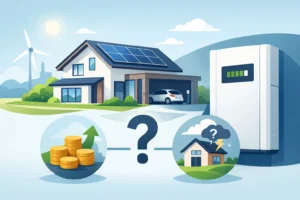
For example, installing a new heating system in a draughty home may lower costs compared with an old boiler, but you could still be heating rooms that lose warmth too quickly. Likewise, solar panels can reduce the amount of electricity you buy from the grid, while a battery may help you use more of the power you generate. Whether a battery is worthwhile depends on your daytime electricity use, tariff and household routine.
An assessment turns a long list of possible upgrades into a sensible order of priorities. It also gives you clearer questions to ask installers and helps you compare quotations fairly. You should understand what is included, why it has been recommended and what savings are realistic before agreeing to any work.
What a home energy assessment should cover
A useful assessment should be straightforward and focused on your property, rather than a sales pitch for one product. The following areas normally matter most.
Insulation and heat loss
Heat naturally moves from warm areas to cold ones. In a home, that means warmth can escape through the roof, walls, floors, windows, doors and gaps around pipework or fittings.
Loft insulation is often one of the simplest places to start. It is generally less disruptive than other work and can make a noticeable difference where insulation is thin, patchy or missing. Cavity wall insulation may also be suitable for some homes, but not every wall construction is appropriate. Older properties, solid walls and homes exposed to wind-driven rain need more careful consideration.
Windows are another common concern. Replacing every window is not always the first or best-value step. Seals, draught proofing and repairs can sometimes improve comfort at a lower cost. If windows are at the end of their life, good-quality replacements may then make sense as part of a wider plan.
Heating and hot water
Your assessment should identify the type, age and condition of your boiler or heating system. An older boiler may be costly to run or unreliable, especially if it has not been maintained regularly. Controls also matter. A programmable thermostat, thermostatic radiator valves and a heating schedule suited to your routine can prevent unnecessary energy use.
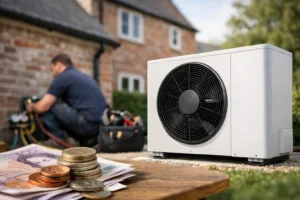
If you are considering an air source heat pump, the assessment needs to look at more than the unit itself. It should consider your home’s heat loss, radiator sizes, hot water cylinder space and electrical supply. Heat pumps work best when they are designed around the property, not chosen as a quick replacement without checking the details.
For some households, improving insulation and fitting a modern efficient boiler may be the right next step. For others, a heat pump is a strong long-term option. The best choice depends on the home, available budget and the level of work you are comfortable undertaking.
Electricity use and solar potential
Electricity bills are shaped by how much power your household uses, when you use it and what tariff you are on. An assessment can highlight high-use appliances, standby consumption and whether your usage is concentrated during the day or in the evening.
For solar panels, roof direction, shading, roof condition and usable space all affect the likely output. South-facing roofs can produce excellent results, but east- and west-facing roofs can also be very worthwhile because they spread generation across the morning and afternoon.
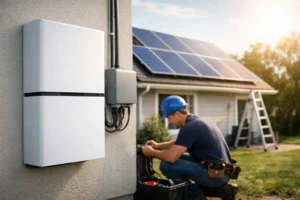
Battery storage is particularly useful for households that generate solar electricity while they are out, then need power after work and school. It can store surplus electricity for later, although it adds to the upfront cost. A clear assessment should show the likely benefit rather than assuming every solar installation needs a battery.
How the assessment process usually works
The first stage is a conversation about your home and priorities. You may be asked about your current bills, number of occupants, heating problems, cold rooms, existing insulation and plans for the property. Being honest about your budget is helpful. It allows recommendations to be practical rather than aspirational.
Next comes the property check. This may include looking at the loft, external walls, windows, boiler or heat pump, radiators, controls, consumer unit and roof. The assessor may also ask for an EPC if you have one, although they should not rely on it alone.
Afterwards, you should receive recommendations in plain English. The strongest advice explains what to do first, what can wait and where one upgrade supports another. It should also set realistic expectations. Savings vary with weather, energy prices, household habits and the condition of the home, so be cautious of anyone promising an exact figure without seeing the property.
Putting upgrades in the right order
For many homes, the most sensible route is to reduce heat loss first, improve heating controls, then consider a new heating system or renewable technology. This does not mean every property needs major renovation before solar panels or a heat pump can be considered. It simply means the work should be planned in the right sequence.
A family in a reasonably insulated home with a failing boiler might decide that a heat pump assessment is the priority. A homeowner with a draughty loft conversion and very high heating use may get better immediate value from insulation and air-tightness measures. Someone with high electricity consumption and a good, unshaded roof may find solar panels are the clearest first move.
Think about timing as well. If you are planning a new kitchen, extension or roof replacement, it can be cheaper and less disruptive to include energy improvements at the same time. Repeating work later can add unnecessary cost.
Costs, funding and questions worth asking
Energy improvements should feel manageable, not confusing. Ask for clear pricing, an explanation of any assumptions and confirmation of what is included in the installation. This is particularly important for work involving electrics, roofing, plumbing or heating controls.
Funding and grant-supported upgrades may be available for eligible households, but criteria can change and not every measure will be covered. Eligibility can depend on income, benefits, property type, EPC rating and location. A good provider will explain the pathway clearly and avoid treating funding as guaranteed before checks have been completed.
Before moving ahead, ask how the recommended system is sized, what warranty applies, whether maintenance is needed and who will support you if there is a problem after installation. For solar and heat pump work, choosing an appropriately certified installer gives extra reassurance and can be necessary for some schemes.
Turn the findings into a plan you can afford
You do not need to tackle everything at once. Start with the improvement that solves the biggest issue in your home, whether that is a cold loft, an unreliable boiler or electricity bills that keep climbing. Keep the assessment results and use them as a simple plan for the next few years.
For homeowners across Glasgow and the wider Central Belt, Newtech Renewables can help make that next step clearer with friendly advice, practical suitability checks and no unnecessary jargon. A warmer, lower-cost home usually starts with one well-chosen improvement, not an overwhelming list of jobs.