A cold January morning is when most households feel the difference between these two upgrades. Solar panels may be generating less electricity, while an air source heat pump is working hard to keep the house warm. That is why the choice between solar panels vs air source heat pumps is not simply about which technology is better. It is about what your home needs most, how you use energy and what you can comfortably invest.
For some homes, solar is the easiest first step towards lower electricity bills. For others, a heat pump can replace an older, costly heating system and make the home more comfortable. In many cases, the best answer is not one or the other at all.
Solar panels vs air source heat pumps: the simple difference
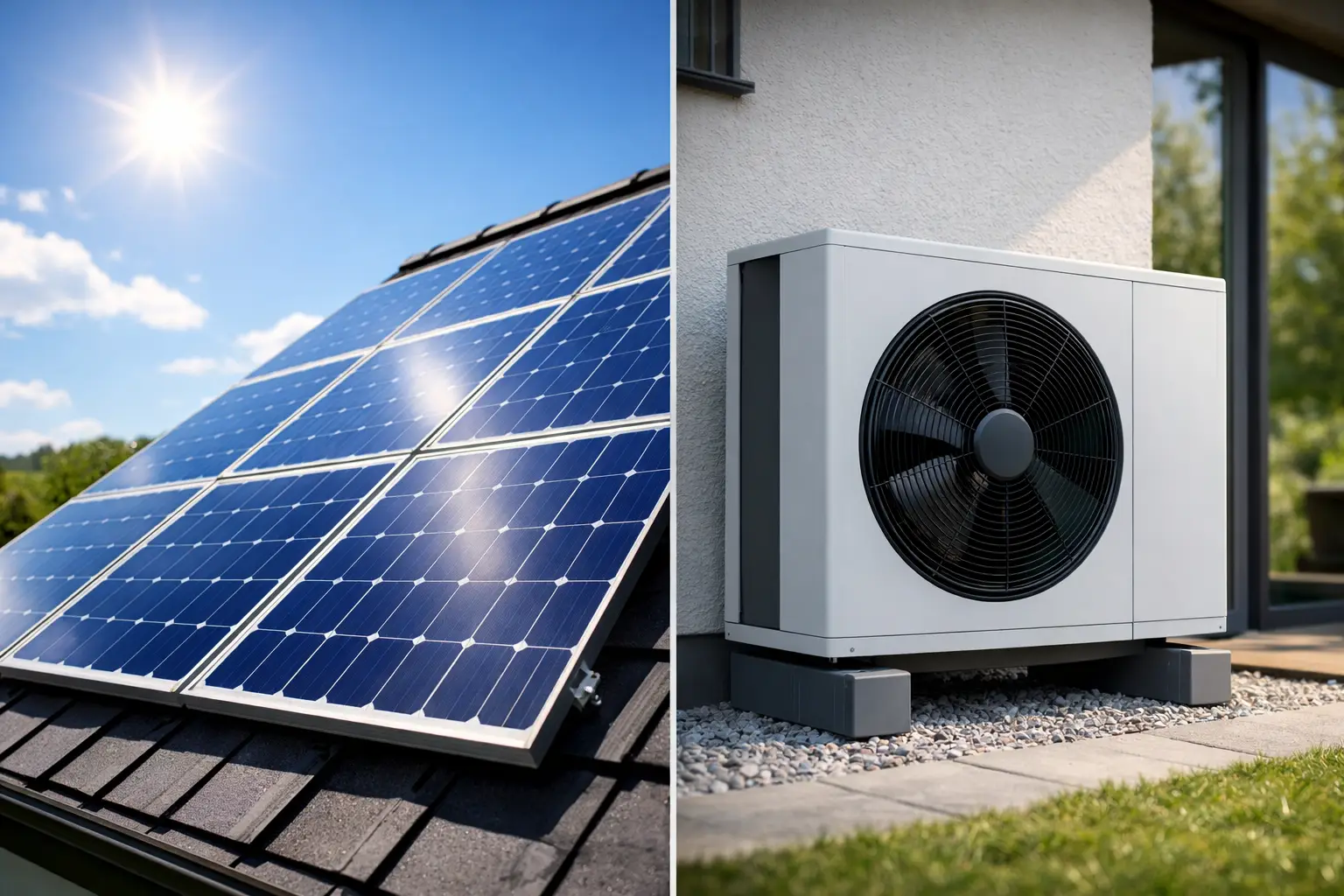
Solar panels make electricity from daylight. Your home can use that electricity to run appliances, charge a battery, power an electric vehicle or reduce the amount you buy from your supplier. They do not directly heat your rooms or provide hot water, although the electricity they produce can be used by electric heating equipment.
An air source heat pump provides heating and hot water. It takes warmth from the outside air, even in cold weather, and moves it into your home. It runs on electricity, but it can deliver several units of heat for each unit of electricity it uses. This makes it a more efficient alternative to many older electric, oil or gas heating systems when the property is suitable.
Put simply: solar helps with your electricity use; a heat pump changes the way you heat your home. Both can lower bills, but they do it in different ways.
When solar panels are likely to make sense first
Solar panels are often the more straightforward choice for homeowners who want a clear, practical way to cut daytime electricity costs. If your roof has enough usable space, receives reasonable daylight and is not heavily shaded by trees, neighbouring buildings or chimneys, a solar system can start producing power as soon as it is installed.
They are particularly useful if your household uses plenty of electricity during the day. Working from home, running washing machines and dishwashers in daylight hours, charging an electric car or using a battery can all help you make more use of the power your panels generate.
Solar can still be worthwhile if you are out during the day, especially with battery storage. A battery stores surplus generation for use later in the evening, when many homes switch on lights, cook dinner and settle in for the night. It does add to the upfront cost, so it should be sized around your real usage rather than chosen simply because it sounds like the biggest option.
The main trade-off is seasonal. Panels generate most in spring and summer, when daylight hours are longer. They still produce electricity in winter, but usually much less – exactly when heating demand tends to be highest. Solar is excellent for reducing purchased electricity over the year, but it is not a stand-alone answer to keeping a home warm through winter.
When an air source heat pump may be the better priority
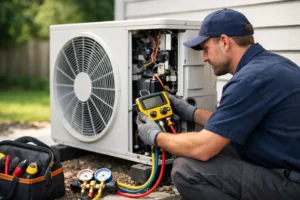
An air source heat pump can be a strong option if your current heating is expensive, unreliable or coming to the end of its life. It may be especially appealing for homes using oil, LPG, direct electric heating or an older boiler, although every property needs its own assessment.
The biggest benefit is comfort as well as efficiency. Heat pumps work best by providing steady, lower-temperature heat over longer periods, rather than delivering short bursts of very hot heat. A well-designed system can keep rooms at a more even temperature and provide hot water without relying on fossil fuel heating.
However, a heat pump is not a fit-and-forget replacement for every boiler. The home needs to hold on to the heat it produces. Loft insulation, wall insulation, draught reduction, suitable windows and the condition of existing radiators all matter. Some homes need larger radiators or other changes so the system can heat rooms effectively at lower water temperatures.
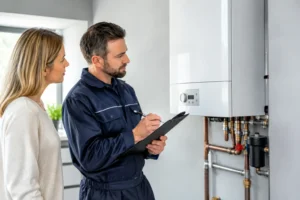
That preparation is not a drawback to hide. It is the reason a proper home survey matters. Installing a heat pump without checking insulation, heat loss and radiator capacity can lead to disappointing performance and higher running costs. A good installation is about getting the whole system right, not just fitting a new unit outside.
Cost and savings: what should you compare?
The upfront cost of solar and heat pumps can vary widely depending on the size of the system, the property and any additional work required. A straightforward solar installation is often simpler because it mainly involves the roof, inverter, electrical connection and, if chosen, a battery. A heat pump project can involve the unit itself, hot water cylinder, controls, pipework, radiator upgrades and insulation improvements.
That does not automatically make solar the better-value option. It depends on the bills you are trying to reduce. If electricity costs are your biggest concern, solar may give you the most immediate benefit. If heating is the major expense, particularly with oil or electric heating, a heat pump may have a bigger effect on your household running costs.
It is also worth looking beyond the headline price. Ask what is included in the quote, whether any electrical or heating upgrades are needed, what guarantees are provided and how the system will be designed around your home. Clear package pricing can make solar easier to budget for, while a detailed heat pump survey helps prevent unexpected costs later.
Support schemes may also affect the decision. Some households may be eligible for funded energy-efficiency or heating improvements through schemes such as ECO4, depending on circumstances, property type and available funding. Eligibility and rules can change, so it is sensible to check your options before assuming you must pay the full cost yourself.
Can solar panels power a heat pump?
Yes, but it helps to set realistic expectations. Solar panels can provide some of the electricity an air source heat pump uses, particularly during brighter months and during the day. This can reduce the cost of running the heat pump and make the two technologies work well together.
The mismatch comes in winter. A heat pump uses most energy when temperatures are low and heating demand is high, while solar generation is at its lowest. You will still need electricity from the grid, especially on dark days and in the evening.
Even so, combining them can be a sensible long-term plan. Solar can help with the heat pump’s electricity use in spring, summer and milder weather, and it can also power the rest of the home. Smart controls, a well-sized hot water cylinder and an electricity tariff suited to heat-pump use can make a meaningful difference to running costs.
Which homes suit each option?
Solar panels tend to suit homes with a structurally sound roof, limited shading and enough space for a useful number of panels. South-facing roofs are often productive, but east- and west-facing roofs can also work well, especially where electricity is used across the morning and afternoon.
Air source heat pumps can suit many property types, from newer homes to older houses, but insulation and heat loss are key. A heat pump does not require a large garden, though it does need an outdoor location with suitable airflow and space for installation and maintenance. Flats, listed buildings and properties with limited outside space may need more careful consideration.
For homeowners in Glasgow and across the Central Belt, older housing can make the assessment stage particularly valuable. Solid walls, draughts, older radiators and the condition of the existing heating system can all affect the best route forward. The answer may be insulation first, solar first, a heat pump now, or a phased plan that spreads the cost.
A practical way to decide
Start with the problem you want to solve. If your electricity bill is climbing and your heating system is otherwise reliable, solar panels may be the natural first move. If your boiler is failing, you rely on costly oil or electric heating, or your home never feels consistently warm, it is worth exploring a heat pump and the improvements that support it.
Then think about timing. If you are planning a new roof, extension, kitchen renovation or radiator replacement, combining the work can make the project easier. If budget is limited, installing solar now and preparing the home for a heat pump later can be a sensible route. There is no prize for doing everything at once if it creates unnecessary financial pressure.
The right recommendation should be based on your bills, household routine, property condition and future plans. Newtech Renewables can help make that process feel straightforward, with friendly advice that focuses on what will genuinely work for your home.
A good renewable upgrade should leave you feeling warmer, more in control of your bills and confident about the next step. Start with the measure that solves your most expensive problem, then build from there when the time is right.