If you are searching for how to make your home warmer, you probably do not want a science lesson. You want to stop the draught by the sofa, wake up to a bedroom that does not feel icy, and keep the heating bill from climbing every winter.
The good news is that a warmer home does not always mean turning the thermostat up. In many cases, the biggest difference comes from keeping the heat you already pay for. A few simple changes can improve comfort quickly, while bigger upgrades can make the whole house easier and cheaper to heat over the long term.
How to make your home warmer starts with heat loss
Most homes feel cold for one of three reasons. Heat is escaping too quickly, the heating system is not working efficiently, or the property is simply hard to heat because of its age, layout or insulation levels. Older homes in particular can lose warmth through the roof, walls, floors, windows and gaps around doors without the homeowner realising how much is slipping away.
That is why the cheapest fix is not always the one with the lowest upfront cost. A draught excluder is inexpensive and often worth doing straight away, but if your boiler is struggling or your insulation is poor, small fixes can only go so far. The best approach is to start with the easy wins, then look at the upgrades that bring lasting savings.
Deal with draughts first
If one room always feels chilly even when the heating is on, draughts are often the reason. Gaps around external doors, older windows, loft hatches, floorboards and pipe entry points can let cold air in and warm air out all day long.
Sealing those gaps is one of the fastest ways to make a difference. Door brushes, draught strips and chimney balloons can all help, depending on the source of the problem. Thick curtains can also make a noticeable difference at windows, especially in the evening. During the day, it makes sense to open curtains when the sun is out and close them before dusk to trap warmth inside.
This is not about making the house airtight to the point of causing condensation. Homes still need proper ventilation. The aim is to stop uncontrolled cold air getting in where it should not, while keeping kitchens and bathrooms ventilated where moisture needs to escape.
Check your insulation before blaming the heating
People often assume the heating system is the main problem, but insulation usually has a bigger impact on comfort. If your loft is under-insulated, warmth rises and disappears through the roof. If your walls are poorly insulated, rooms can feel cold even when the radiators are hot.
Loft insulation is usually one of the most cost-effective improvements because heat loss through the roof is significant and installation is relatively straightforward. Wall insulation can also help a lot, although the right option depends on the property. Cavity wall insulation may suit some homes, while solid wall properties need a different approach and a bigger budget.
Floor insulation is easy to overlook, but cold floors can make the whole house feel uncomfortable. Rugs help a little, especially over uninsulated timber floors, but proper insulation below the floor makes more of a long-term difference.
If your home still feels cold after the heating has been on for a while, or cools down very quickly once it goes off, insulation is worth investigating.
Make sure your heating system is doing its job
A warm home depends on more than just having a boiler or heat pump switched on. If the system is poorly maintained, badly balanced or outdated, you may be paying for heat that never reaches the rooms that need it.
Start with the basics. Bleed radiators if they have cold spots. Check whether some rooms heat up much faster than others, which can point to balancing issues. If you have a timer and thermostat, make sure they are set around your actual routine rather than left on old schedules that no longer suit your day.
Older boilers can become less efficient over time, particularly if they have not been serviced regularly. In some homes, replacing an ageing boiler with a modern energy-efficient model can improve both comfort and running costs. In others, an air source heat pump may be a better long-term fit, especially when paired with good insulation.
The right choice depends on the home, the current system and the budget. There is no one-size-fits-all answer, which is why proper advice matters more than sales talk.
Use heating controls properly
One of the easiest ways to improve comfort is to use your controls better. Many households either heat the whole house unnecessarily or underheat key rooms because the system is not set up sensibly.
If you have thermostatic radiator valves, use them to match each room to how it is used. Bedrooms usually do not need to be as warm as the living room. Spare rooms can be kept lower. Hallways and landings often need less heat than family spaces. This helps direct warmth where it matters rather than wasting energy heating every room equally.
It is also worth looking at thermostat placement. If the main thermostat is in a warm hallway or near a heat source, it may switch the heating off before colder rooms are comfortable. Smart controls can help in some households, but simple controls used properly can work just as well.
Windows matter, but not always in the way people think
When people think about how to make your home warmer, windows come up quickly. That is fair enough, because older glazing can make rooms feel colder and create noticeable draughts.
But replacing all windows is not always the first job to do. If the glazing is serviceable and the main issue is gaps, poor seals or thin curtains, you may get a worthwhile improvement without the cost of full replacement. Secondary glazing can also help in some properties.
If the windows are old, draughty and beyond repair, upgrading them can improve comfort. Just keep expectations realistic. New windows alone rarely solve a cold home if the loft is under-insulated or the heating system is underperforming.
Think about bigger upgrades if the problem is ongoing
If you have tried the lower-cost fixes and the house still feels stubbornly cold, it may be time to look at more meaningful improvements. This is where heating upgrades and energy improvements start to work together.
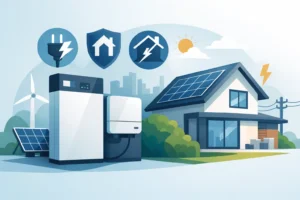
For example, a home with decent insulation and a modern heating system is usually much easier to keep comfortable than one relying on an ageing boiler and patchy insulation. Solar and battery storage will not directly make a house warmer, but they can reduce overall energy costs and make it easier to run electric heating or heat pump systems more affordably.
For some households, funded support may also be available for insulation or heating improvements. That can make bigger changes far more realistic than many people expect. The important thing is to look at the whole home rather than treating each problem in isolation.
What gives the fastest improvement?
If your budget is tight, start with the changes most likely to be felt straight away. Draught-proofing, radiator maintenance, better use of heating controls, loft insulation checks and heavier window coverings can all improve comfort fairly quickly.
If your budget allows for more, the best value usually comes from upgrades that reduce heat loss first, then improve the heating system to match. There is little point installing a better system if the home leaks warmth as fast as it is produced.
That said, some homes are already reasonably well insulated and simply need a better heating setup. Others need fabric improvements first. It depends on the property, which is why a proper assessment is so useful.
A warmer home should also be affordable to run
Comfort matters, but so does the monthly cost of achieving it. The real goal is not just a hot house for a few hours. It is a home that stays comfortable without constant thermostat battles and surprise bills.
That usually means focusing on efficiency rather than short-term heat boosts. Portable electric heaters, for example, can help in a pinch, but they are rarely the most cost-effective answer for everyday use. The better route is to reduce heat loss, improve system performance and choose upgrades that suit the property.
For homeowners who want a simple, stress-free route to lower bills and better comfort, getting practical advice can save time and money. Newtech Renewables Ltd works with households across Scotland and England to make heating and energy upgrades easier to understand and easier to manage.
A warmer home does not have to start with a major renovation. Often, it starts with one sensible improvement, then another, until the house finally feels like it should when the weather turns cold.