A power cut can turn an ordinary evening into a stressful one very quickly. The lights go out, the Wi-Fi drops, the fridge stops running and, depending on your heating system, your home may begin to feel cold. Battery storage for power cuts gives you a practical way to keep selected essentials running when the grid goes down – but only if the system is designed for backup from the start.
For many households, a home battery is already an attractive way to store lower-cost electricity or spare solar power for later. Adding backup capability can provide another valuable benefit: greater peace of mind when bad weather, local faults or planned works interrupt your supply.
How battery storage for power cuts works
A home battery stores electricity for you to use later. It can charge from solar panels during the day, from the grid when electricity is cheaper, or from a combination of both. Normally, the battery helps reduce the amount of electricity you buy at peak times.
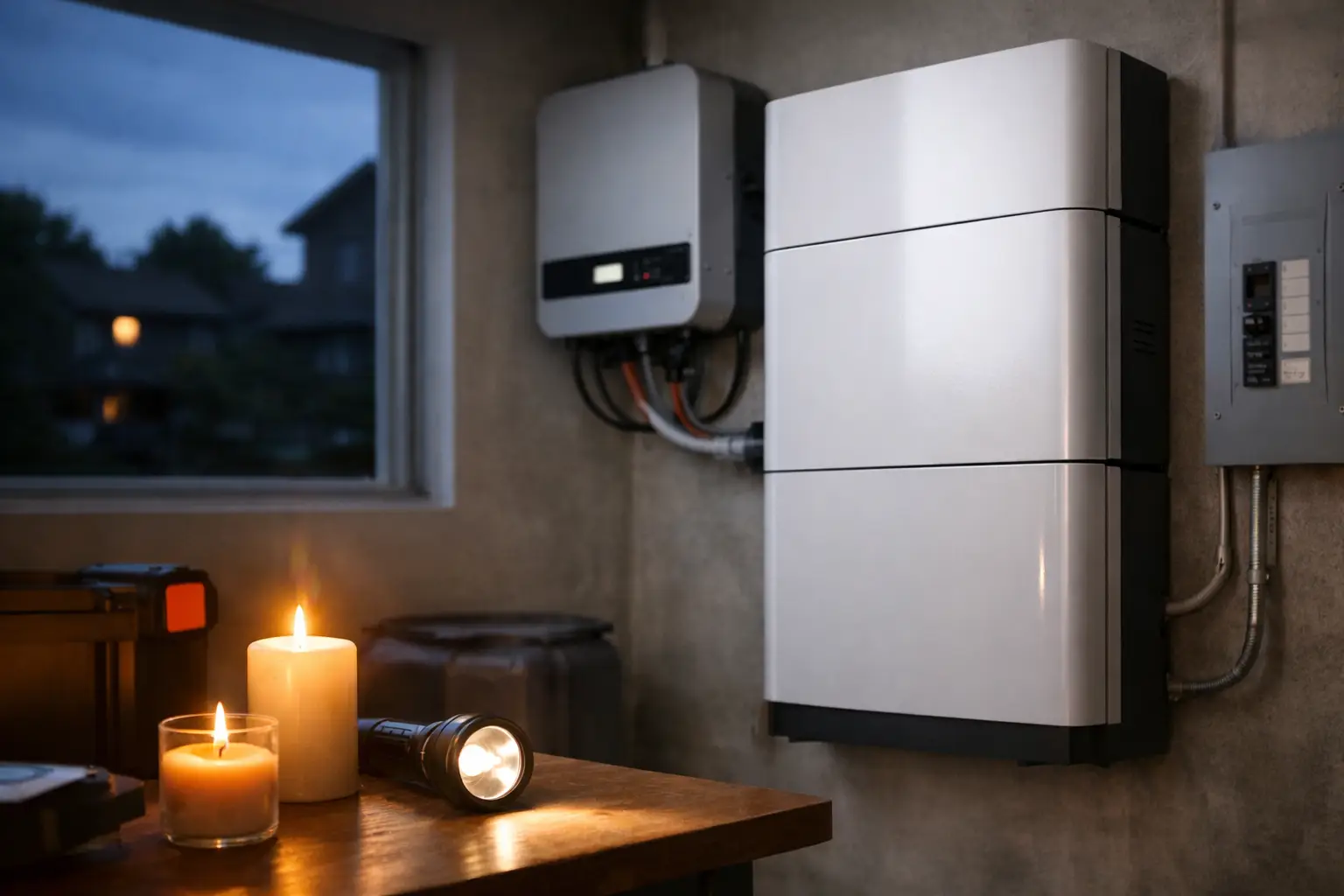
During a power cut, however, most standard battery systems switch off for safety. This prevents electricity being sent back into the network while engineers may be working on it. To continue supplying your property, the battery needs a suitable backup function, often called emergency power supply or EPS, plus the correct installation setup.
When the grid fails, an EPS-enabled system disconnects safely from the network and uses the battery to power agreed circuits in your home. Depending on the design, this may be a dedicated backup socket, a small number of essential circuits, or a more comprehensive backup supply.
The key point is simple: having a battery does not automatically mean you have power during a cut. Always ask whether backup operation is included in the quote and exactly what it will run.
What can a battery keep running?
This depends on the battery size, the power output of the inverter and the appliances you choose to use. A well-planned backup system can often cover everyday essentials such as lighting, your broadband router, mobile phone chargers, a fridge-freezer, television and some kitchen sockets.
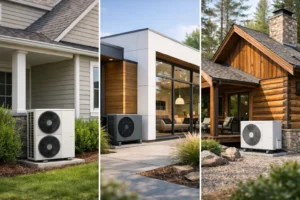
It is usually less suitable for high-demand appliances. Electric showers, ovens, kettles, tumble dryers and immersion heaters can drain a battery quickly or demand more power than the backup system can provide. An air source heat pump may also require careful planning. Some systems can support it for a period, but heating a whole home from a battery alone during a long winter outage needs a much larger and more expensive setup.
That is why many homeowners choose an essential-load approach. Rather than trying to power every circuit, you protect the things that matter most: light, food refrigeration, communications and a few sockets. It is often the more affordable and sensible option.
Battery capacity and backup time
Battery capacity is measured in kilowatt-hours, or kWh. Think of this as the amount of electricity the battery can store. A larger capacity generally means longer backup time, but usage matters just as much.
For example, a household using only lights, a router, a fridge and device charging may make a battery last through a short evening cut or considerably longer. Add several high-power appliances and the stored energy will disappear much faster.
Power output matters too. Measured in kilowatts, it tells you how much electricity can be supplied at one time. A battery may have enough stored energy for hours, yet still be unable to run several demanding appliances together. A proper assessment looks at both figures, not just the size of the battery on paper.
Solar panels help, but do not guarantee unlimited backup
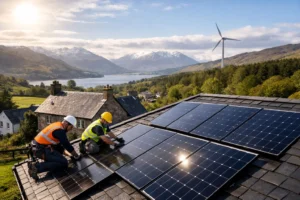
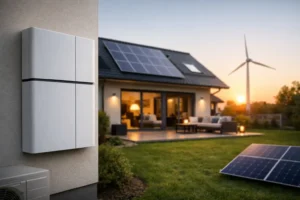
Solar panels and battery storage work particularly well together. On a bright day, your panels can recharge the battery while you use electricity in the house. If a power cut lasts longer than expected, this can extend the useful backup time.
There are limits, especially in Scotland. Solar generation is lower during short winter days, and heavy cloud can reduce output further. Your system also needs the right backup equipment to use solar safely during an outage. It is not safe to assume that solar panels alone will keep producing power when the grid is off.
The most realistic expectation is resilience, not complete energy independence. A battery and solar system can help you keep the essentials going and reduce reliance on the grid, but it should be sized around your actual home, priorities and budget.
Should you keep some battery charge in reserve?
Many systems let you set a minimum reserve level. For instance, you may choose to keep 20% or 30% of the battery unused in normal conditions, so there is energy available if a power cut happens.
This is a trade-off. A higher reserve gives more reassurance during an outage, but leaves less battery capacity available to cut your day-to-day electricity costs. If power cuts are rare where you live, you may prefer a modest reserve. If you rely on powered medical equipment, work from home, live in an area with more frequent interruptions or simply want greater security, a larger reserve may be worthwhile.
A good installer will talk through how you use energy rather than treating every household the same. Families with young children, people working remotely and homes with electric heating may have very different backup priorities.
What to check before choosing a backup battery
Start by deciding what you genuinely need during a cut. It is easy to focus on powering the whole house, but this can add significant cost. In many cases, protecting selected circuits provides the best balance of comfort and value.
Ask whether the quoted system includes EPS or full backup capability, which circuits will remain live, and whether there are limits on the number of appliances that can run at once. It is also worth checking the usable battery capacity, inverter output, warranty length and whether the system can be expanded later.
Installation quality matters as much as the equipment. Backup systems must be designed and installed correctly so they isolate from the grid safely. An MCS-registered installer can assess your existing consumer unit, solar setup and household demand, then explain the options in plain English.
If you are considering solar at the same time, it is usually easier to plan the full system together. That allows the panels, inverter, battery and backup circuits to be chosen as one package, rather than adding work later.
Is battery backup worth the cost?
For some homes, the main value is comfort and continuity. Being able to keep lights, refrigeration, internet and charging available can make a real difference during an unexpected cut. For others, the stronger case is combining backup with everyday savings from solar generation and off-peak electricity tariffs.
It depends on how often outages affect your area, how much you value backup power and whether you are already looking at solar or battery storage for lower bills. A battery bought only for occasional cuts may take longer to justify financially. A battery that also stores solar energy, avoids higher peak-time rates and offers emergency power can deliver more value over its lifetime.
Newtech Renewables can help homeowners across Glasgow and the Central Belt understand what is realistic for their property, without loading the conversation with unnecessary jargon or hidden extras.
A sensible next step
Before choosing a system, make a quick note of the appliances you would not want to lose in a power cut and how long you would need them to run. That simple list gives an installer the information needed to recommend a battery setup that feels reassuring, works safely and does not cost more than it needs to.