
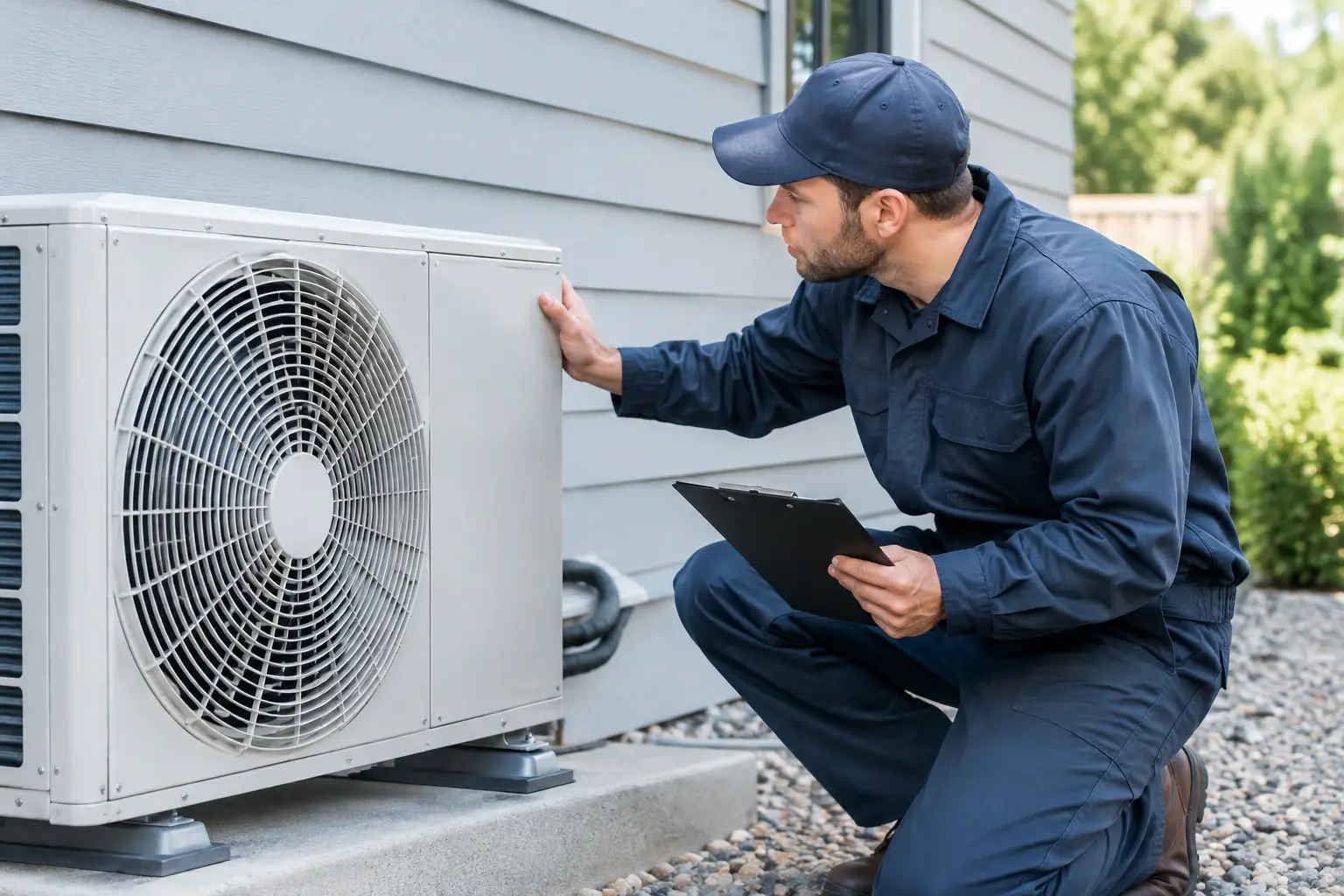
A heat pump is a long-term investment in a warmer, lower-cost home, so a heat pump installer review should tell you far more than whether a team arrived on time. The right installer helps you understand whether a heat pump will suit your property, sizes it properly, explains the costs clearly and remains available once the system is running. That is what turns a promising quote into genuine comfort and savings.
What a useful heat pump installer review should reveal
Online star ratings can be a helpful starting point, but they are only part of the picture. Look beyond short comments such as “great service” and seek out reviews that describe the full experience: the home survey, communication before installation, work carried out in the house and support afterwards.
The most useful reviews often mention whether the installer listened to the homeowner’s concerns. For example, were they honest about what would need improving before a heat pump could work efficiently? Did they explain changes to radiators, pipework or hot water storage in plain English? A company that promises a heat pump will suit every property without asking questions is not giving you the full story.
It also helps to look for patterns. One unhappy review does not always tell the whole story, particularly if the business has responded fairly and tried to put things right. Repeated complaints about missed appointments, confusing costs or poor aftercare deserve more attention. Likewise, repeated praise for tidy workmanship, clear advice and helpful support is a good sign.
Start with the survey, not the sales pitch
A proper survey is one of the clearest signs of a careful installer. Your home loses heat through its walls, roof, windows, floors and ventilation. The installer needs to understand those losses before recommending the size of heat pump required.
This is why a quick price given without seeing the property should be treated as an estimate only. A fixed quote should follow a suitable assessment. The survey should consider your current heating system, the number of rooms, insulation levels, radiator sizes, hot water needs and available outdoor space for the unit.
You should also expect an honest conversation about trade-offs. Heat pumps work best when they can run steadily at a lower temperature than a traditional boiler. Some homes may need larger radiators, improved insulation or adjustments to the heating controls to get the best result. That is not a reason to rule out a heat pump. It is simply part of planning a system that performs as it should.
Check qualifications and scheme requirements
For most homeowners, choosing an MCS registered installer offers valuable reassurance. MCS certification shows that the installer and system meet recognised standards, and it is generally required where grant support is being used. Ask the company to explain their registration and whether their proposed system is eligible for the funding route you are considering.
Do not be afraid to ask practical questions. Who will carry out the installation? Is the work completed by the company’s own trained team or subcontractors? What electrical work is included? Who handles the paperwork, commissioning and handover?
A good installer will answer directly without burying you in jargon. They should be happy to explain what they manage and what, if anything, is not included. Clear answers early on prevent awkward surprises later.
Compare like for like when looking at quotes
The cheapest quote is not automatically the best value. A lower figure may leave out important items such as a hot water cylinder, radiator upgrades, electrical work, groundwork, controls, flushing the existing system or removing old equipment. Another quote may include these from the beginning, making it look more expensive but potentially more realistic.
Ask each installer for a written breakdown that makes it easy to compare the essentials. It should set out the heat pump model and size, cylinder capacity where needed, radiator or pipework changes, controls, labour, VAT, warranties and any assumptions made about the property. If grant funding is involved, it should also show how this affects the amount you are expected to pay.
Be wary of vague wording such as “from” prices if the company cannot explain what changes the final cost. There is nothing wrong with an initial guide price, especially before a survey. The key is that the final proposal is transparent, with no hidden costs waiting until work begins.
Ask how the system will be designed for your home
Two houses with the same number of bedrooms can need very different heating systems. The heat pump should be chosen for your home’s heat loss, not just its floor area or the size of the old boiler.
Ask the installer how they will make sure each room stays comfortable in cold weather. They should be able to explain whether your existing radiators are suitable and how they have arrived at the recommended pump size. You do not need to become a heating engineer, but you should come away with a clear sense of why the proposal suits your property.
It is also worth asking about noise and location. Air source heat pumps are designed to run quietly, but where the outdoor unit is positioned still matters. A thoughtful installer will consider airflow, access for maintenance, neighbours and how the unit will look around your home. Planning rules and site conditions can vary, so this should be checked rather than assumed.
Installation day matters, but aftercare matters more
A neat installation is important, especially when work is taking place in lived-in rooms. Reviews that mention tidy work, respect for the property and clear updates are encouraging. However, the real test is what happens once the installers leave.
Before the job is signed off, you should be shown how to use the controls and understand the basic settings. Heat pumps are not usually operated like a boiler that is turned up and down throughout the day. They tend to work most efficiently with steady, consistent heating. A clear handover helps you get comfortable with that difference from the start.
Ask what support is available if you have a question after installation. Find out how faults are reported, who deals with manufacturer warranty issues and whether maintenance is offered. Some small adjustments in the first few weeks can make a meaningful difference to comfort and running costs, so responsive support is valuable.
Signs an installer is putting your interests first
The best heat pump installers do not pressure you into a decision. They give you time to read the proposal, ask questions and consider whether the investment is right for your household. They will be open about likely disruption, realistic timescales and any preparatory work needed.
They should also avoid claiming guaranteed savings without understanding your current energy use, tariff and how you heat the home. A heat pump can reduce running costs in many properties, particularly where it replaces older, expensive heating, but actual savings depend on how the home is insulated and used. Honest advice is more useful than a big promise.
At Newtech Renewables, the aim is to make this process easier to follow: a straightforward survey, clear recommendations and practical advice without the hard sell. Whether you are paying privately or looking into support for an upgrade, you should know what is happening at every stage.
Questions worth asking before you choose
A good conversation with an installer should leave you clearer, not more confused. Ask how they calculated the heat pump size, what work is included in the price, whether any upgrades are recommended and why, and what support they provide once the system is installed.
You can also ask for examples of similar homes they have worked on. A company does not need to promise identical results, because every property is different, but experience with homes like yours can be reassuring. If you live in an older Scottish property, for instance, it is useful to know the installer understands the common insulation and radiator challenges that may come with it.
Take your time with the decision. A trustworthy installer will make the next step feel simple: understand your home, give you a clear plan and stand behind the work. That is the kind of confidence a heat pump should bring long after installation day.