
A cold bedroom, draughty windows and a boiler that never seems to catch up can make every winter bill feel like bad news. This guide to ECO4 home upgrades explains what funded energy improvements could involve, who may qualify and how to approach the process without getting lost in technical terms or confusing promises.
One point needs clearing up first. ECO4 was the fourth phase of the Energy Company Obligation and was scheduled to run until 31 March 2026. If you are reading this after that date, do not assume a fresh ECO4 application is available. Funding schemes and local routes can change, so the sensible first step is to check what support is currently open for your household and postcode. If an ECO4 case was already underway, the provider or installer should be able to explain its current status.
What ECO4 home upgrades were designed to do
ECO4 focused on improving homes that are expensive to heat, particularly households on lower incomes or receiving qualifying benefits. Rather than handing over cash, the scheme funded practical work that could reduce heat loss and make heating more affordable to run.
The best upgrade was never simply the newest piece of kit. It was the measure that suited the property. A home losing heat through an uninsulated loft, for example, may benefit more from insulation before a new heating system is considered. In other homes, an old and inefficient boiler could be the main problem.
The aim was straightforward: use less energy to keep the home comfortable. For families dealing with high bills, that can mean warmer rooms, fewer cold spots and less pressure to keep the heating turned down.
A guide to ECO4 home upgrades: what may be included
Every property assessment is different, but funded energy-efficiency work may include loft, cavity wall, solid wall or underfloor insulation. Draught-proofing and heating controls can also make a noticeable difference by helping the heat you pay for stay where it belongs.
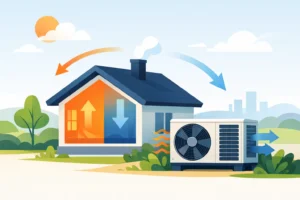
Where a heating replacement is appropriate, this could involve an efficient boiler, an air source heat pump or improvements to the existing heating controls. Heat pumps are not a one-size-fits-all answer. They work best in homes with suitable insulation and correctly sized radiators, so a proper survey matters far more than a quick sales pitch.
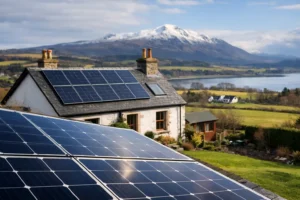
Some households may also be assessed for solar panels or other renewable measures through particular funding routes. Whether these are available depends on the programme, the home and the rules in place at the time. A reputable installer will be clear about what is funded, what is not, and whether any contribution is required before work starts.
It is common for several measures to be recommended together. That is because a home works as a whole. Insulation reduces heat loss, heating controls improve how the system runs, and a suitable heating system then has less work to do. Installing a new heat source without addressing major heat loss first can limit the benefit.
Who could be eligible?
ECO4 support was mainly aimed at households receiving certain means-tested benefits, as well as some homes referred through a local authority flexibility route, often called LA Flex. Eligibility was not based on one factor alone. Your household circumstances, property type, current energy performance and local funding rules could all affect the outcome.
You may have had a stronger case if your home had a poor Energy Performance Certificate rating, high heating costs or an old, inefficient heating system. However, an EPC rating alone did not guarantee support, and being on a benefit did not automatically mean every improvement would be fully funded.
Private tenants and landlords faced different conditions from owner-occupiers, while social housing followed separate rules. If you rent, always get the landlord’s permission before any work is arranged. If you own a flat, access, shared walls and building consent may also need to be considered.
The useful approach is to ask for an eligibility and property check rather than trying to work it out from a headline online. Honest advice should include the possibility that the scheme is not the right route for your home.
What happens during the assessment?
A good assessment should feel practical, not pressured. The surveyor will usually look at how the property is built, where heat may be escaping, the age and type of your heating system, and the space available for any proposed equipment.
They may inspect the loft, walls, radiators, windows, boiler or hot-water cylinder. Photographs and measurements are normal parts of the process. You may also be asked for proof of ownership or tenancy, identification, income or benefit evidence, and recent energy information where relevant.
This visit is your chance to ask plain questions. What problem is this upgrade solving? Will there be any cost to pay? How disruptive is the installation? What happens if the survey finds an issue, such as damp or unsuitable insulation? You should receive clear answers before agreeing to proceed.
Be wary of anyone who promises guaranteed funding before seeing the home, pushes you to sign immediately or cannot explain who will carry out the work. Funded does not mean rushed, and it should never mean hidden costs.
Choosing upgrades that make sense for your home
The order of work matters. In many older Scottish homes, particularly properties with poor insulation, fabric improvements should be considered before changing the heating system. Keeping warmth in the home can improve comfort straight away and may allow a future heating system to run more efficiently.
That does not mean insulation is always simple. Cavity walls need to be suitable, solid-wall insulation changes the appearance or internal space of a property, and ventilation must be considered carefully. A poorly planned upgrade can lead to condensation or damp problems, which is why a detailed survey is worth having.
Heating choices also involve trade-offs. A modern boiler can be a familiar, lower-disruption option where gas is available. An air source heat pump can reduce reliance on fossil fuel, but it needs the right design, suitable space and a home prepared to retain heat. The right answer depends on the building, your budget and how you use your home.
Before you agree to any funded work
Take time to read the paperwork. Check exactly which measures are being installed, the expected timescale, any costs you may be asked to contribute and who is responsible for making good after the work. Ask how warranties, certificates and aftercare will be provided.
You should also find out whether the proposed work could affect your existing boiler cover, roof warranty or future decorating plans. For solar panels, ask where equipment will be placed and whether scaffolding is required. For insulation, ask how ventilation will be maintained. These are normal questions, not awkward ones.
Keep copies of survey reports, agreements and completion documents. They can be helpful if you sell the property, need maintenance later or simply want a clear record of what has changed.
If ECO4 is no longer available to you
A closed or unavailable ECO4 route does not mean your plans to lower bills have to stop. Other local and national support programmes may be available, depending on where you live and your circumstances. Private-pay improvements can also be phased, starting with measures likely to make the biggest difference, such as loft insulation, heating controls or replacing an ageing boiler.
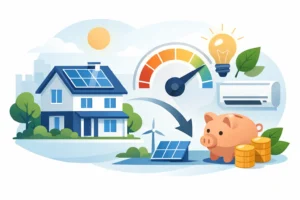
For homeowners able to invest, solar panels and battery storage may be worth exploring alongside energy-efficiency work. Solar can reduce the amount of electricity bought from the grid, while a battery can store more of the power generated during the day. Savings vary with your roof, electricity use and tariff, so realistic estimates matter.
At Newtech Renewables, the focus is on making these decisions easier: checking suitability first, explaining the options in plain English and setting out costs clearly. A warmer, lower-bill home starts with an honest look at what your property actually needs, not a promise that one upgrade suits everyone.