A high electricity bill can make every load of washing and evening meal feel more expensive than it should. Solar panels give homeowners a practical way to produce some of their own power, use less electricity from the grid and take greater control of household costs. They are not a magic fix for every bill, but for many Scottish homes, they can be a sensible long-term investment.
The key is choosing a system that fits your roof, daily electricity use and budget. A straightforward home assessment should give you clear answers before you commit, without confusing jargon or surprise costs later on.
Are solar panels worth it in Scotland?
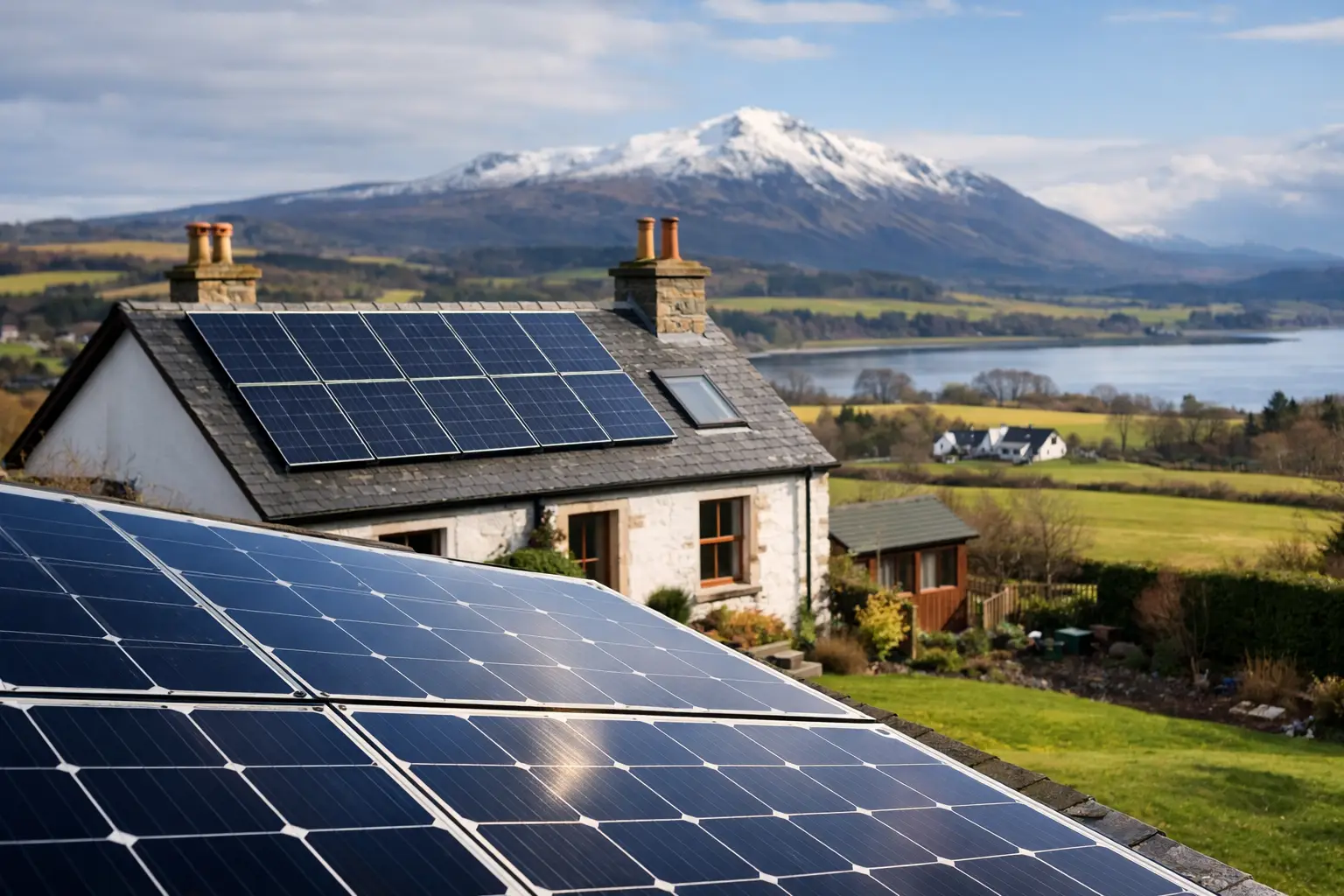
Yes, solar panels can work very well in Scotland. They generate electricity from daylight, not heat, so they still produce power on bright, overcast days. Summer brings longer daylight hours and stronger generation, while winter output is lower – but the system continues to contribute throughout the year.
How much you save depends on how much of the electricity you generate is used in your home. Using solar power as it is produced means you avoid buying that electricity from your supplier. This is often called self-consumption, but in simple terms it means running your home on your own lower-cost power whenever possible.
A household that is empty all day may use less solar electricity immediately than a home where someone works from home, runs appliances during the day or charges a battery. That does not mean solar is unsuitable for busy families or working households. It simply means a battery, smart controls or small changes to when you use appliances could help you get more from the system.
Any unused electricity may be exported to the grid. Some suppliers offer payments through the Smart Export Guarantee, although export rates and terms vary. It is worth seeing export income as an added benefit rather than the main reason to install solar.
What affects solar panel savings?
There is no honest one-size-fits-all saving figure. Your roof and household habits matter as much as the number of panels installed.
A south-facing roof is often ideal, but east- and west-facing roofs can still be very worthwhile. An east-facing array produces more power in the morning, while a west-facing array produces more later in the day. For a family using electricity before school and after work, that spread can suit their routine well.
Shade is another important factor. Nearby trees, chimneys, neighbouring buildings and roof features can reduce generation at certain times. A proper survey looks at these details rather than relying on a quick estimate. The pitch, size and condition of your roof also need checking before any installation is planned.
Your electricity use matters too. If you have high daytime use, an electric vehicle, a heat pump or regularly work from home, you may be able to use a larger share of the power your panels generate. If your usage is mainly in the evenings, battery storage may make more sense.
Finally, system size should be realistic. Filling every available inch of roof is not always the best option. The right system is one that balances your likely generation, your normal usage and what you are comfortable investing upfront.
Solar panels and battery storage
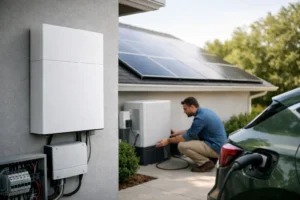
Solar batteries store surplus electricity generated during the day so that you can use it later, such as during the evening when lights, cooking and entertainment often increase demand. For many households, this can reduce the amount of electricity bought from the grid and make solar savings more consistent.
A battery is not essential for solar panels to work. A well-sized solar-only system can still cut bills and provide useful long-term value. Adding a battery does, however, give you more flexibility, particularly if your home is quiet during the day.
It is worth considering your routine before deciding. If you are regularly at home during daylight hours, you may already use a good amount of the electricity as it is generated. If you are out most days and use most of your energy after 5pm, storage could be more useful. The best choice depends on your household, not on buying the biggest package available.
A simple way to plan your solar system
The process should feel like a home improvement project, not a technical puzzle. Start by looking at your recent electricity bills. They help show your annual usage and give an installer a clearer starting point for recommending a suitable system.
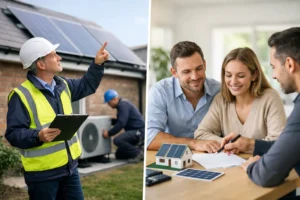
Next, arrange a survey. This should assess your roof, shading, available space and the condition of your electrical setup. It is also the right time to discuss whether you may want a battery now or in the future. Planning for a later upgrade can be useful if you want to spread the cost.
Ask for a clear quotation that explains what is included. You should understand the proposed panel and inverter setup, expected generation, installation work, guarantees and any optional battery storage. If a quote feels vague, ask questions. You deserve a plain-English answer before making a decision.
For homeowners in Glasgow and across the Central Belt, local knowledge can be helpful. Roof types, weather exposure and household energy needs vary from property to property, so a survey-led recommendation is more reliable than a generic online calculation.
Why installation quality matters
Solar is designed to be a long-term addition to your home, so installation quality should never be treated as an afterthought. Using an MCS-registered installer gives added reassurance that the work meets recognised standards. It can also be relevant when arranging export payments or accessing available support routes.
A good installer will explain where panels will sit, how cables will be routed and what disruption to expect. Most installations are completed with minimal fuss, but the exact timing depends on the size of the system, roof access and whether electrical upgrades are needed.
After installation, you should be shown how the system works and how to monitor its generation. Monitoring helps you see when your home is producing the most power, making it easier to shift flexible tasks such as washing, dishwashing or charging devices into daytime hours where practical.
Keeping your system working well
Solar panels are low maintenance. Rain often clears ordinary dust and debris, and there is usually no need for regular cleaning. However, visual checks are sensible, especially after severe weather or if you notice a change in generation.
Keep an eye on your monitoring app or display. A sudden, lasting drop in output may be worth investigating, although generation naturally changes with the seasons and weather. Trees that grow over time can also create new shade, so it is useful to review their impact occasionally.
If you add an electric vehicle, heat pump or battery later, your energy needs may change. A system upgrade can help you make better use of your solar generation without starting again from scratch.
The right question to ask before you buy
Rather than asking whether solar panels are right for every home, ask whether they are right for your home. A clear assessment, honest expected savings and a package built around your budget will tell you far more than a headline promise ever could.
If rising bills are putting pressure on your household, it is worth finding out what your roof could produce. A friendly, no-pressure conversation can turn a complicated decision into a practical plan for lower energy costs over the years ahead.