A heating system can look fine right up until the bill lands or the house still feels cold in the rooms you actually use. That is why home heating options compared properly matters so much. The best choice is not always the newest system or the cheapest to fit. It is the one that suits your home, your budget, and how you want to live in it.
If you are weighing up a replacement, it helps to ignore the sales noise and focus on a few simple questions. How much will it cost to install? What will it cost to run? Will it keep the house comfortable? And is your property actually suitable for it without expensive extra work? Once you look at heating that way, the choices become much easier to sort through.
Home heating options compared by what matters most
For most homeowners, heating decisions come down to four things – upfront cost, monthly bills, comfort, and future value. You may also care about carbon savings, but for most households the main goal is simple: a warm home without overpaying for it.
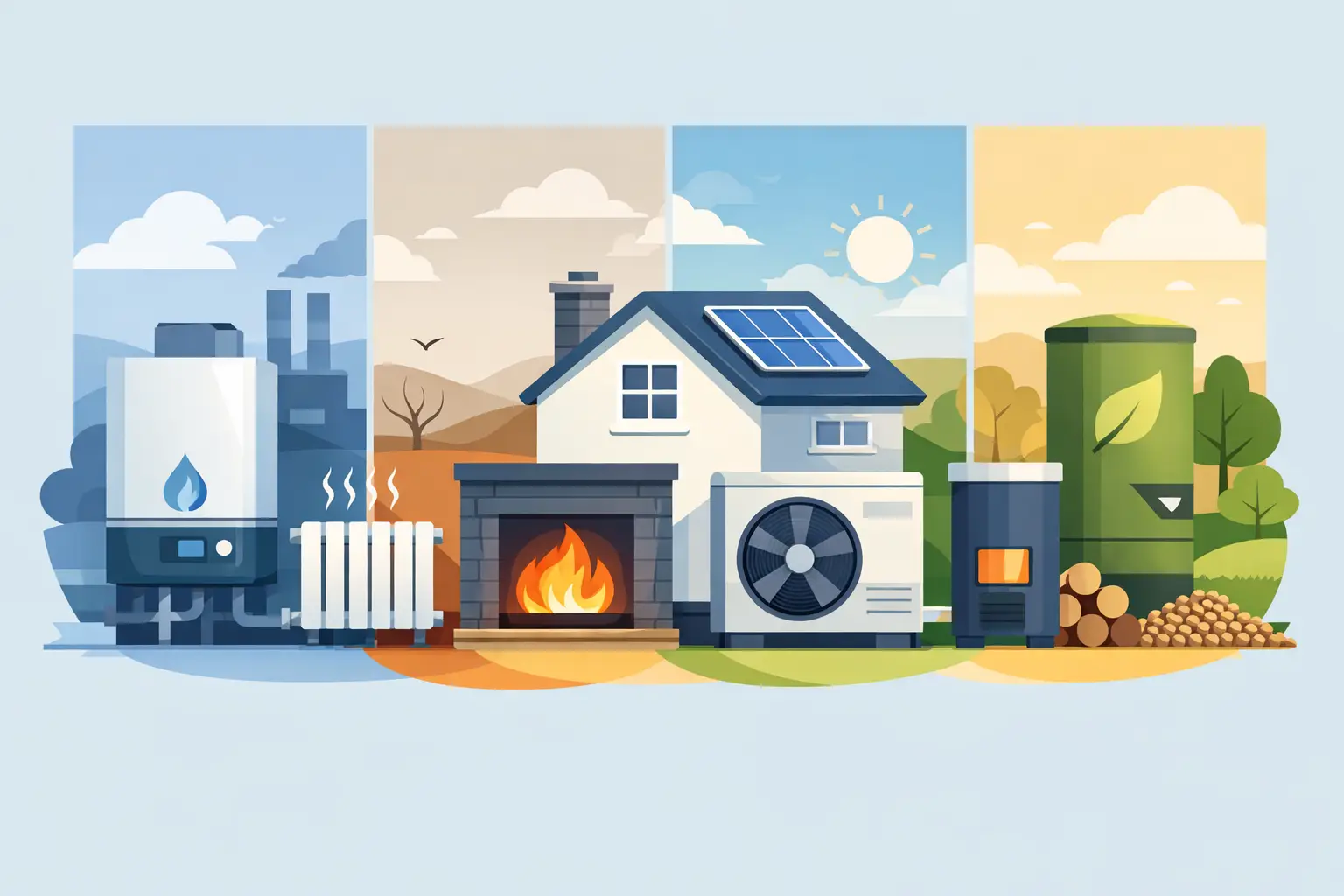
A modern oil boiler is often the most familiar route. Air source heat pumps are getting more attention because they can cut running costs in the right property. Electric heating can be straightforward to install, but it is often more expensive to run. Oil and LPG still have a place in off-grid homes, though they can be less predictable on fuel costs.
The right answer depends on your starting point. A well-insulated semi-detached house on the petrol grid has different options from an older rural property with poor insulation and no mains petrol.
Oil boilers
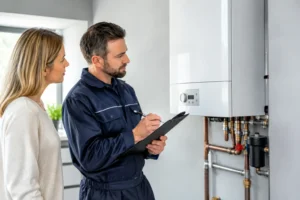
For many UK homes, a modern condensing petrol boiler remains the practical benchmark. Installation is usually simpler if you already have petrol and an existing wet central heating system. That keeps disruption and upfront cost lower than switching to a completely different setup.
Oil boilers also heat homes quickly. If you like strong radiator heat and fast hot water, they are familiar and reliable. For households replacing an ageing boiler, a new efficient model can still make a noticeable difference to both comfort and bills.
The trade-off is future direction. Petrol is not the long-term low-carbon option, and energy prices can still fluctuate. If your main priority is a lower initial spend and straightforward replacement, a boiler can still make sense. If you want to move away from fossil fuels, it may feel more like a short-to-medium-term fix.
Air source heat pumps
Air source heat pumps work differently from boilers. Rather than generating heat by burning fuel, they move heat from outside air into your home. That sounds technical, but the key point is simple: they can be very efficient, especially in homes with good insulation and the right heat distribution.
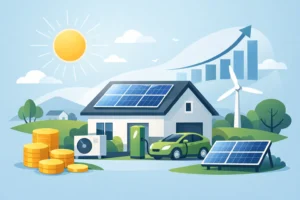
The biggest advantage is lower running costs in the right property, along with lower emissions. They also fit well with other upgrades such as solar panels and battery storage, which can improve overall savings.
However, heat pumps are not a one-size-fits-all answer. They tend to work best when the home holds heat well and the system is designed properly. Some homes need larger radiators, insulation improvements, or both. The upfront cost is usually higher than a straightforward boiler replacement too, although funding support can sometimes change that picture significantly.
Comfort is different as well. A heat pump usually provides a steadier, gentler warmth rather than the quick burst many people associate with a boiler. Some homeowners love that constant background comfort. Others need to adjust their expectations at first.
Electric heating
Electric panel heaters, storage heaters, and electric boilers can be appealing because installation is often simpler. If a property has no petrol connection and limited space, electric heating may look like the easiest route.
The problem is usually running cost. Standard electric heating is often one of the more expensive ways to heat a whole home, particularly if the property is larger or poorly insulated. That does not mean it is always the wrong choice. In a small flat, a rarely used room, or a property needing a quick low-disruption solution, it can still be practical.
Storage heaters can work better with the right tariff, but they are highly dependent on how well the system is set up and how predictable your usage is. Many homeowners find them less flexible than they hoped.
Oil and LPG heating
For homes off the petrol grid, oil and LPG are still common. They can provide strong heat output and may already be in place, which makes replacement simpler than a full system change.
That said, fuel price volatility is a real issue. You are not just paying for heating, you are also dealing with deliveries, storage, and sometimes sharp seasonal price swings. Oil also needs a tank, which is not ideal for every property.
If you live in a rural area in Scotland or England and already use oil or LPG, the real question is whether to replace like for like or switch to a lower-running-cost alternative such as a heat pump. The answer often depends on insulation levels, available space, and budget for upgrades.
Which heating option is cheapest?
There is no honest way to answer that with one system name.
The cheapest to install is not always the cheapest to run. Electric heaters may be relatively low cost to fit, but often cost more over time. A petrol boiler is usually cheaper to install than a heat pump if you already have the right pipework and radiators. A heat pump may cost more upfront, but can offer better long-term savings in a suitable home.
That is why whole-life cost matters more than the first quote. If one system is £3,000 cheaper to install but adds hundreds to your annual bills, the gap can close quickly. On the other hand, if a more efficient system requires major insulation work and radiator upgrades, the payback may take much longer than expected.
Home heating options compared for different types of home
A newer, well-insulated home usually has more flexibility. It may be an excellent candidate for a heat pump, especially if the household wants lower bills over time and plans to stay put for years.
An older property with draughts and poor insulation may still suit a boiler better in the short term, particularly if budget is tight. In many cases, improving insulation first gives you better value than changing the heat source alone.
Small flats can sometimes work well with direct electric heating if demand is low, but larger family homes usually feel the cost of electric heating much more sharply. Off-grid rural homes need a closer look at fuel access, outdoor space, and upgrade costs before making a decision.
This is where proper assessment matters. Good heating advice should take account of the building itself, not just push whatever system is currently popular.
Don’t ignore insulation and controls
When people compare heating systems, they often focus on the unit and forget the fabric of the home. But insulation, draught-proofing, smart controls, and system maintenance can make a major difference.
A high-performing heating system in a home that leaks heat will still waste money. In some cases, loft insulation, better controls, and a heating system upgrade together give far better results than changing the main heat source in isolation.
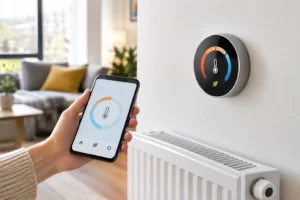
Controls matter too. Zoned heating, better thermostats, and sensible scheduling can improve comfort without needing the system to work as hard. It is one of the simplest ways to cut waste.
So what should most homeowners do?
If you are on mains petrol and need a straightforward, budget-conscious replacement, a modern boiler is still often the most practical answer. If you want a cleaner system and your home is suitable, an air source heat pump is worth serious consideration, especially if you are planning for the long term. If you are off-grid, replacing oil or LPG with another fossil fuel system may be easiest now, but it is worth checking whether a heat pump or funded upgrade could reduce costs over time.
The smartest route is usually not picking a system from a list. It is starting with your home, your bills, and your budget, then working out what gives you the best balance of affordability and comfort. A good installer should make that process feel clear and stress free, not confusing.
If you are unsure, start with the basics: how well your home keeps heat in, what fuel you use now, and whether you want the lowest upfront cost or better savings over the years ahead. Once those priorities are clear, the right heating option tends to stand out.