A solar quote can look tempting at first glance, especially when energy bills have been climbing. But the cheapest number on the page does not always lead to the best result. When comparing solar installers in England, homeowners should look beyond panel counts and headline savings. The right installer makes the process clear, checks what your property genuinely needs and leaves you with a system that works well for years.
Solar is a practical home improvement, not a one-size-fits-all purchase. A good installation can help you use more of the electricity you generate, reduce what you buy from the grid and give you more control over rising energy costs. The key is getting the design, price and installation right from the start.
What solar installers in England should do before quoting
A trustworthy installer will not treat every roof as identical. They should ask about your current electricity use, who is at home during the day, whether you own an electric vehicle and whether you may want a battery or heat pump later. These details affect the size and layout of the system.
Your roof also needs a proper assessment. Its direction, pitch, shading from trees or neighbouring buildings, available space and condition all matter. South-facing roofs often produce the most electricity across the year, but east and west-facing roofs can still be an excellent choice. In fact, a split east-west system may suit a family that uses power in the morning and evening better than a system that produces most of its energy around midday.
A sensible quote should explain what is included: the number and type of panels, inverter, mounting equipment, labour, scaffolding, electrical work, monitoring and paperwork. It should also make clear whether a battery is included or priced separately. If something is unclear, ask. You should never feel pressured to sign before you understand the proposal.
The right system is not always the biggest one
It is easy to assume that more panels automatically mean bigger savings. Sometimes they do, particularly if you have high electricity use, charge an electric car at home or plan to add a battery. But installing the largest possible system is not always the best value for every household.
The aim is to balance what your roof can generate with what you are likely to use. Electricity used directly in your home is normally worth more than electricity exported to the grid. That is why your daytime habits matter. If the house is empty most weekdays, a battery, timer-controlled appliances or an electric vehicle charger may help you make better use of solar generation. If you are regularly at home, a well-sized panel-only system could be a straightforward and affordable starting point.
A good installer should talk honestly about expected generation and savings. Solar output changes through the seasons, and no one can promise the same production every month. Summer generation can be strong, while winter output is naturally lower. Clear estimates are more useful than exaggerated claims.
Should you add battery storage?
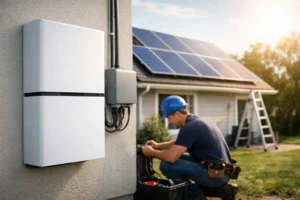
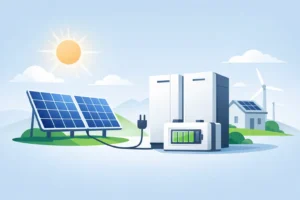
Battery storage is a popular addition because it allows you to save surplus solar electricity for later in the day. This can be particularly helpful for households that use more power after work, when solar generation is falling.
However, a battery adds to the upfront cost, so it is worth looking at the numbers rather than assuming it is essential. For some homes, starting with panels and adding a battery later makes sense. For others, installing both together can reduce disruption and create a more complete energy-saving package from day one. The best choice depends on your budget, electricity use and plans for the property.
Check credentials, warranties and the small print
Choosing solar installers in England should feel reassuring, not like a gamble. Ask whether the installer is certified under the Microgeneration Certification Scheme, commonly known as MCS. This is important for quality standards and may be needed if you want to receive payments for exported electricity through the Smart Export Guarantee.
It is also worth checking what protection is in place for your deposit and workmanship. Panel manufacturers often provide long product warranties, while performance warranties cover how much output the panels should retain over time. The inverter and battery can have different warranty periods, so do not assume every part is covered in the same way.
The installer’s workmanship warranty matters too. If there is an issue with cabling, roof fixings or the installation itself, you need to know who will put it right and for how long. A reliable company will answer these questions in plain English rather than hiding behind technical language.
You should also ask how the grid connection will be handled. Your installer may need to notify or apply to your local Distribution Network Operator, depending on the system size and setup. This is normal, but it should be managed properly as part of the installation journey.
Clear pricing matters more than a low starting price
Solar pricing can vary because homes vary. Roof access, scaffolding requirements, panel choice, battery capacity and electrical upgrades can all change the final cost. That is not a reason to accept vague pricing. It is a reason to expect a clear breakdown.
Be cautious if a quote feels unusually cheap but does not explain the equipment, guarantees or installation work. Equally, a more expensive quote is not automatically better. Compare like for like. A lower price may exclude scaffolding, monitoring, bird protection or paperwork, which can lead to unwanted extras later.
Before choosing an installer, make sure you understand these practical points:
- the total price, including VAT, scaffolding and electrical work;
- the exact equipment being fitted and its warranty terms;
- the estimated installation date and how long work should take;
- what happens if unexpected roof or electrical issues are found; and
- who to contact for help once the system is switched on.
The best providers give you a straightforward answer, not a confusing sales pitch. Affordable solar should still include safe work, decent equipment and proper aftercare.
What happens from survey to switch-on
For most homes, the process is simpler than people expect. It starts with a conversation about your property and energy use, followed by a survey to confirm whether solar is suitable. Once you are happy with the design and price, the installer schedules the work and arranges the necessary practical steps.
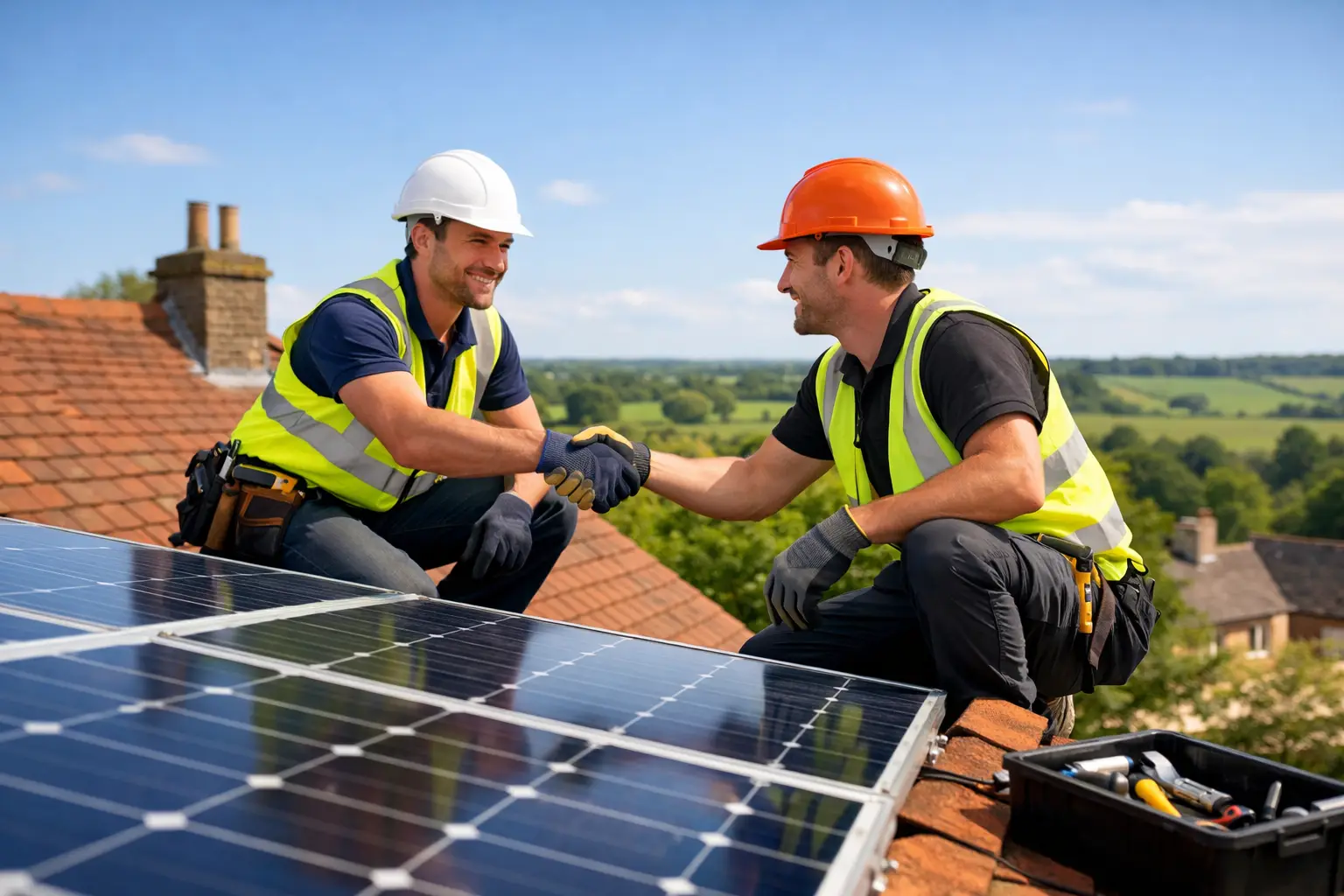
On installation day, the team fits the roof mounting system and panels, installs the inverter and any battery, then completes the electrical connection and testing. Scaffolding is usually required for safe roof access. The work often takes a day or two for a typical home, though larger systems or more complex roofs can take longer.
Before the team leaves, you should be shown how to monitor your system and understand the basics of using it. This is not about becoming a solar expert. It is about knowing where to see generation, how a battery behaves and what to do if you have a question later.
Avoid pressure and focus on long-term value
Solar is a worthwhile investment, but it should never be sold through fear or rushed decisions. Be wary of claims that a discount expires within hours, that a system will eliminate every electricity bill or that no survey is necessary. Your home deserves better than a guess.
A friendly, professional installer will give you time to consider the quote, welcome questions and explain any trade-offs. They will also be realistic about what solar can do. Panels can reduce your reliance on grid electricity, but savings depend on your household usage, the weather, export payments and how much generated power you use yourself.
For homeowners who want lower bills without a complicated project, that honest approach makes all the difference. Newtech Renewables helps make the journey clearer, from checking suitability through to installation and support, with practical advice rather than jargon.
The best next step is not to chase the flashiest offer. Ask for a clear assessment of your roof, your energy habits and your budget. With the right system and the right people fitting it, solar can become one of those home improvements that quietly earns its place every day.