A lot of homeowners assume solar only works on big, south-facing houses with perfect roofs. In reality, home suitability for solar panels is often much better than people expect. The question is not usually can you have solar, but whether your roof, energy use and budget make it worthwhile for your home.
That is a much more useful way to look at it. If solar can help bring your bills down, work well with your property and pay back sensibly over time, it may be a strong fit even if your roof is not textbook perfect.
What home suitability for solar panels really means
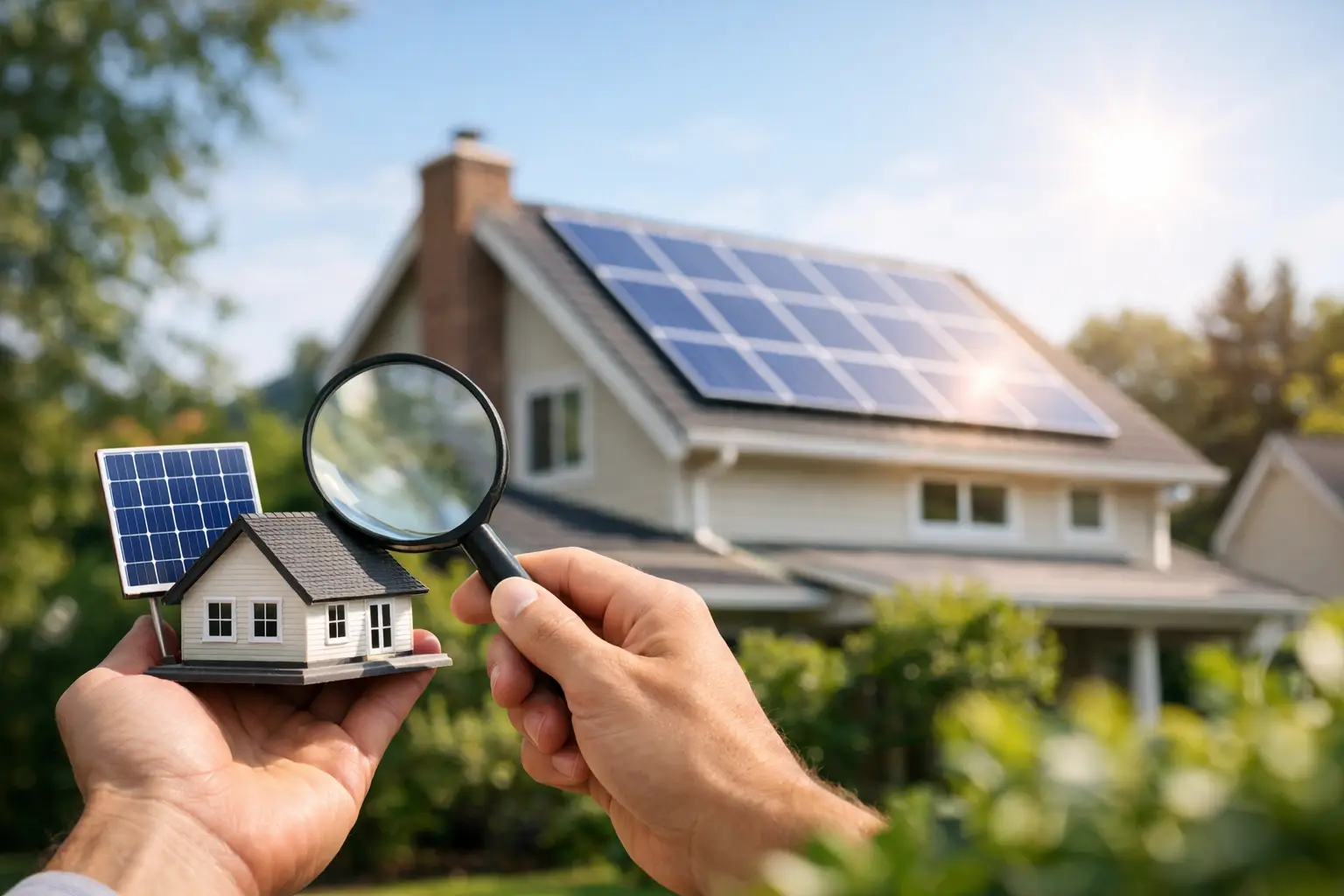
Suitability is not just about whether panels can physically go on your roof. It is about whether the system will generate enough electricity to make a real difference to your household costs.
A home can be technically suitable but still not the best candidate for solar if the roof is heavily shaded, the usable space is limited, or most of the electricity generated would go unused. On the other hand, a home with a less-than-ideal roof angle may still be a very good fit if the household uses plenty of daytime electricity or adds battery storage.
This is why a proper assessment matters. It takes the guesswork out and gives you a clearer picture of likely savings, practical options and any limits to keep in mind.
The roof matters, but it is not the whole story
Roof space is usually the first thing people think about, and for good reason. Solar panels need enough clear, usable area to install a system that produces worthwhile power.
A large, unshaded roof slope is helpful, but the exact shape and layout matter too. Rooflights, chimneys, vents and awkward angles can reduce the space available. That does not always rule solar out. It may simply mean a smaller system, or a different panel layout.
Roof direction also plays a part. South-facing roofs tend to produce the strongest output in the UK, but east and west-facing roofs can still work very well. In some homes, east-west layouts actually suit daily usage better because they spread generation across more of the day rather than peaking around midday.
Roof pitch matters too, but not as much as many people think. A standard pitched roof is often absolutely fine. Flat roofs can also be suitable because mounting systems can angle the panels correctly. What matters more is the overall balance of roof space, direction and shade.
Shade can change the numbers quite a bit
If there is one factor that can make a bigger difference than homeowners expect, it is shading. Trees, neighbouring buildings, chimneys and dormers can all cut generation.
A little shade at certain times of day may not be a problem. Heavy or regular shade is more serious because it reduces output and can affect how efficiently panels perform. That said, modern system design is much better than it used to be. Panels can often be arranged to reduce losses, and equipment choices can help where one section of roof gets more shade than another.
This is where a home survey earns its keep. Looking at your roof from the ground is not enough. You need a realistic view of how much sunlight the roof gets across the year, not just on a bright afternoon.
Your electricity use is just as important
One of the biggest myths around solar is that the best roof automatically means the best savings. In practice, your daily electricity use plays a huge part.
If your home uses a fair amount of power during the day, solar can be especially attractive because you are using more of the electricity as it is generated. That usually gives better value than exporting large amounts back to the grid.
Households with someone working from home, families running appliances through the day, or homes using electric heating top-ups often get strong value from solar. If the house is empty all day, solar can still work, but the case may be stronger with battery storage so you can use more of that electricity later.
This is why there is no one-size-fits-all answer. Two houses on the same street may have very different results depending on how the people inside actually use energy.
Battery storage can improve home suitability for solar panels
Battery storage is not essential for every installation, but it can make solar a better fit for some homes. If you are out during the day and tend to use more electricity in the evening, a battery can store spare power and let you use it after sunset.
That can improve the financial case, especially for households trying to cut peak-time electricity use. It also gives a bit more flexibility, because you are less reliant on using solar generation the moment it is produced.
Of course, a battery adds to the upfront cost. For some households, solar panels alone offer the best balance of price and savings. For others, the extra spend makes sense because it improves how much of the generated electricity they actually keep and use. It depends on your habits, budget and how long you plan to stay in the property.
The age and condition of your roof should not be ignored
Even if the roof has good direction and little shade, its condition still matters. Solar panels are built to last, so it makes sense to check whether the roof underneath is in good shape before installation.
If your roof is ageing or likely to need major work soon, it may be better to deal with that first. Taking panels off later for roof repairs adds cost and hassle. A straightforward suitability check should flag this early so you can make the right call.
This is not about scaring people off. It is just part of keeping the process stress free. A good solar system should feel like a long-term improvement, not a problem waiting a few years down the line.
What about planning, permissions and property type?
For many homes, solar panels can be installed without a complicated planning process. But there are exceptions. Listed buildings, conservation areas and certain roof types may need a closer look.
Property type can also affect what is practical. Detached and semi-detached houses often have the clearest route, but many bungalows, terraces and some extensions can also be suitable. Flats are more case-specific because roof ownership and permissions can be more complicated.
This is another reason to avoid making assumptions based on online calculators alone. They can be useful as a first glance, but they cannot tell you everything about your roof rights, your property layout or any local restrictions.
When solar might not be the right fit
A reassuring assessment should not push solar where it does not make sense. Sometimes the honest answer is that the roof is too shaded, the usable area is too limited, or the likely savings do not stack up well enough.
That does not mean the home has no route to lower bills. In some cases, better insulation, a heating upgrade, or another energy-saving measure may offer faster value. For some households, funded support such as ECO 4 may open the door to improvements that make more sense as a first step.
Good advice should help you spend money where it will make the biggest difference, not steer you into a system that looks good on paper but underwhelms in real life.
A simple way to judge if your home is a good candidate
If you are wondering about your own home suitability for solar panels, start with a few straightforward questions. Do you have a roof with decent open space? Does it avoid heavy shade for most of the day? Are your electricity bills high enough that cutting them would make a noticeable difference? And do you want a home upgrade that can keep paying you back over time?
If the answer to most of those is yes, your home may be a stronger candidate than you think. If one or two areas are less ideal, that still does not rule it out. It may just mean the design needs to be tailored, or that adding battery storage makes the numbers work better.
For homeowners across Scotland and England, the best next step is not guesswork. It is a proper assessment with clear, plain-English advice about what your roof can do, what it cannot, and whether the likely savings justify the cost.
The right solar system should feel simple, affordable and worth doing. If it can help bring your bills down without creating hassle, that is usually the clearest sign your home is ready for it.