A heat pump can be a brilliant upgrade in one home and a poor fit in another, so it makes sense to ask which homes suit heat pumps before you spend a penny. The short answer is that more homes qualify than many people think, but the best results usually come from properties that can hold heat well and run an efficient heating system without working too hard.
For most homeowners, the real question is not whether heat pumps only work in brand-new houses. It is whether your home can be made suitable at a sensible cost, and whether the savings and comfort stack up over time. That is where a proper home assessment matters.
Which homes suit heat pumps in real life?
Heat pumps work by moving heat rather than creating it in the same way as a traditional boiler. Because of that, they tend to run best when they can deliver steady warmth over longer periods, instead of blasting out high heat for short bursts.
That usually makes them a strong option for homes with decent insulation, reasonable draught-proofing and enough radiator space, or underfloor heating, to heat rooms effectively at lower flow temperatures. In practical terms, this means many semi-detached homes, detached houses, newer builds and well-upgraded older properties can all be suitable.
It does not mean period homes are ruled out. Plenty of older homes can still be a good match, but they often need a bit more preparation. If a property loses heat quickly through poor loft insulation, uninsulated walls or draughty windows and doors, the heat pump may need to work harder, which can affect running costs and comfort.
Insulation matters more than age
One of the biggest myths is that only modern homes suit heat pumps. In reality, the age of the property is less important than how well it keeps heat in.
A Victorian terrace with upgraded insulation and sensible radiator sizing may be a better candidate than a newer home with poor installation standards and heat loss issues. What matters is the overall heat demand of the building.
Loft insulation, cavity wall insulation where suitable, floor insulation in some homes, and basic draught-proofing can all make a noticeable difference. If your home already feels warm for longer after the heating switches off, that is usually a good sign. If it cools down very quickly, improvements may be needed first.
This is also why some households use funded energy-efficiency upgrades before moving to a heat pump. Improving the fabric of the building first can make the whole system perform better and feel more affordable.
The best heating systems to pair with a heat pump
A heat pump is not just about the outdoor unit. Your existing heating setup plays a big part in whether the change will work smoothly.
Underfloor heating is often seen as the ideal partner because it works very well at lower temperatures. That said, standard radiators can still work perfectly well if they are correctly sized. In some homes, a few radiators may need upgrading to larger models so the system can heat rooms properly without relying on very hot water.
If your current boiler system already heats the house evenly and your radiators are in decent condition, you may not need major changes. If some rooms are always cold unless the boiler is turned right up, that is a sign the system may need attention.
Pipework condition matters too. Not every older system needs replacing, but installers should check whether it is suitable for the new setup. The aim is simple – a system that delivers reliable warmth without wasting energy.
Property types that often suit heat pumps well
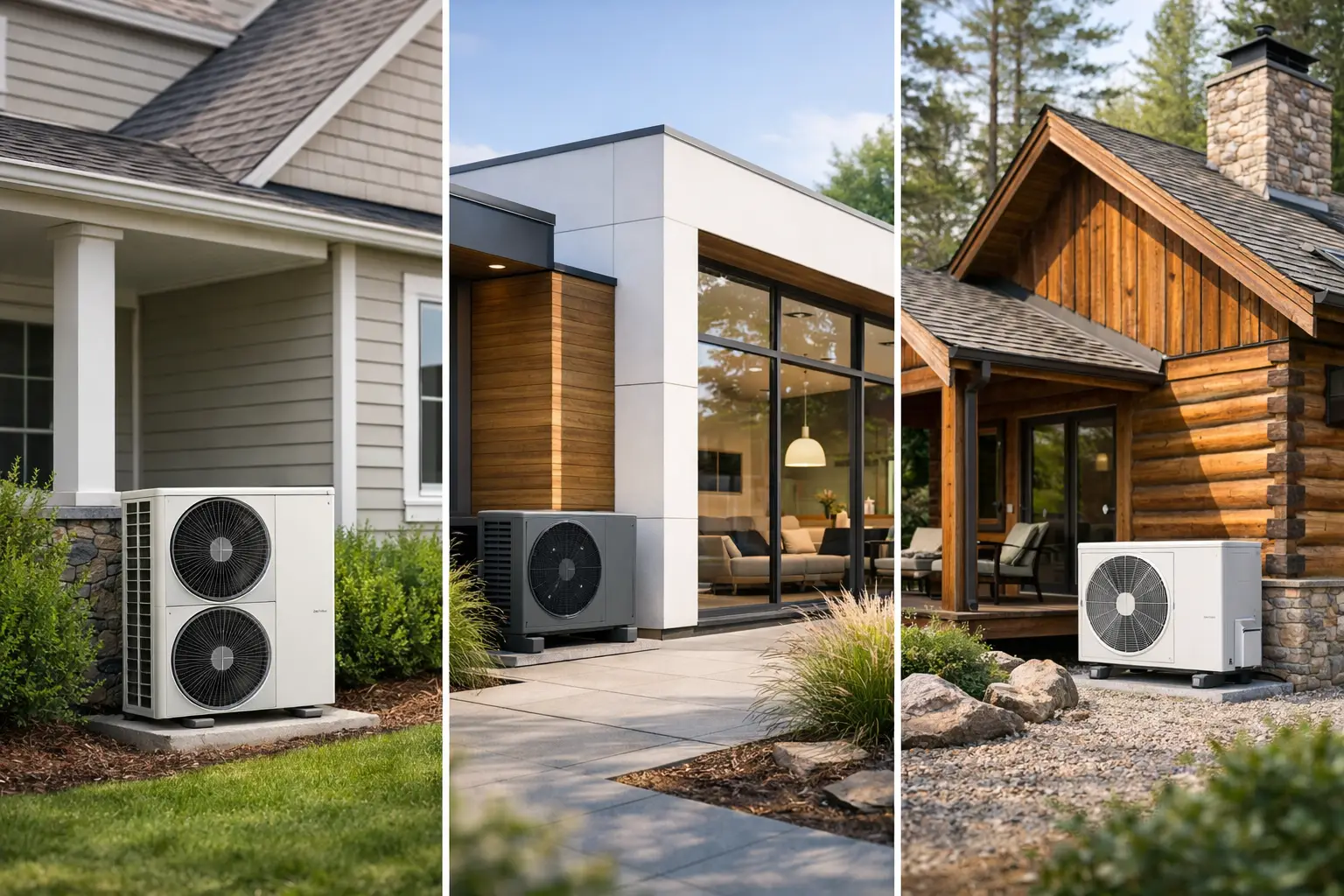
Detached and semi-detached houses are often strong candidates because there is usually enough outdoor space for an air source heat pump and enough room indoors to adjust the heating system if needed. Homes with off-gas heating, such as oil, LPG or direct electric heating, can be especially good fits because the switch can bring worthwhile running cost savings alongside lower emissions.
New-build homes also tend to suit heat pumps because they are built to stronger efficiency standards. Flats can be more mixed. Some are suitable, but practical issues such as outdoor unit placement, planning considerations, lease rules and limited space can make installation harder.
Terraced homes can work well too, particularly if insulation has been improved and there is suitable external space. A compact property that holds heat efficiently may perform better than a larger house with high heat loss.
Rural homes are often well worth assessing. If a property currently relies on expensive electric heating or oil, a heat pump can be a very attractive option, especially when paired with energy-efficiency improvements.
Homes that may need extra work first
Some properties are not immediate no-gos, but they do need more planning.
Very draughty homes, solid-wall properties with no insulation upgrades, and houses with old undersized radiators can all struggle to get the best from a heat pump without improvement work. The same goes for homes where occupants expect quick bursts of very high heat rather than a steadier background warmth.
That does not mean a heat pump is the wrong choice. It simply means the best route may be staged. You might improve insulation first, then review the heating system, and only then install the heat pump. Done properly, that approach can lead to better comfort and better value than rushing into the installation.
Budget matters here as well. A cheaper install that ignores heat loss or leaves weak radiators in place can be frustrating later. A clear, honest assessment upfront is worth far more than being told every home is perfect without any checks.
Which homes suit heat pumps when bills are the priority?
If lower bills are your main goal, the most suitable homes are usually those where the heat pump can run efficiently for long periods and replace a more expensive heating fuel. Homes heated by oil, old electric storage heaters or direct electric systems often have the strongest case.
If you are replacing a modern gas boiler, the savings picture can be more mixed and depends on your insulation, electricity tariff and heating habits. Comfort may still improve, and future-proofing the property may still appeal, but the financial case is not always identical from one home to the next.
This is where simple, realistic advice matters. A good installer should be open about likely savings and not promise the same result for every household.
What about older homes in Scotland and England?
Many homeowners across Scotland and England assume older housing stock rules out heat pumps. That is understandable, but it is not the full picture.
Older stone or brick homes can absolutely be suitable if they have had the right upgrades or if there is a plan to make them more efficient. The process just needs to be practical. Start with how the home performs now, identify where heat is being lost, and look at whether the heating emitters are suitable.
In colder parts of the country, system design becomes even more important. A well-specified heat pump in a properly assessed home can still perform very well in winter. Poor design is usually the issue, not the postcode.
Signs your home could be a good candidate
If your home has decent insulation, enough outdoor space, and a heating system that can be adapted for lower-temperature running, there is a good chance it could suit a heat pump. Homes that already feel fairly comfortable and do not leak warmth quickly tend to be the easiest wins.
If your energy bills are high, especially with oil or electric heating, that strengthens the case. If you are already planning upgrades such as insulation or radiator improvements, it can be the right time to look at the whole picture rather than treating each job separately.
The only reliable way to know for sure is through a proper survey. That should look at heat loss, room sizes, radiator output, hot water needs and installation space. It should feel clear and stress free, not full of jargon.
A heat pump is not about buying the newest bit of kit and hoping for the best. It is about making sure your home can deliver the comfort and the savings you expect from day one. If your property is well insulated, reasonably airtight and set up for efficient heating, you may already be closer than you think. And if it is not quite there yet, the right upgrades can often turn a maybe into a very sensible next step.