A solar quote can look straightforward until the roof is inspected. The purpose of solar roof preparation is to spot anything that could affect the installation, performance or long-term cost before panels are ordered. A little planning now can prevent a last-minute delay, avoid paying twice for roof work and help make sure your system delivers the savings you expect.
For most homes, this is not about turning your property into a building site. It is about checking a few practical details properly, then having one clear plan for the work ahead.
Solar roof preparation starts with the roof itself
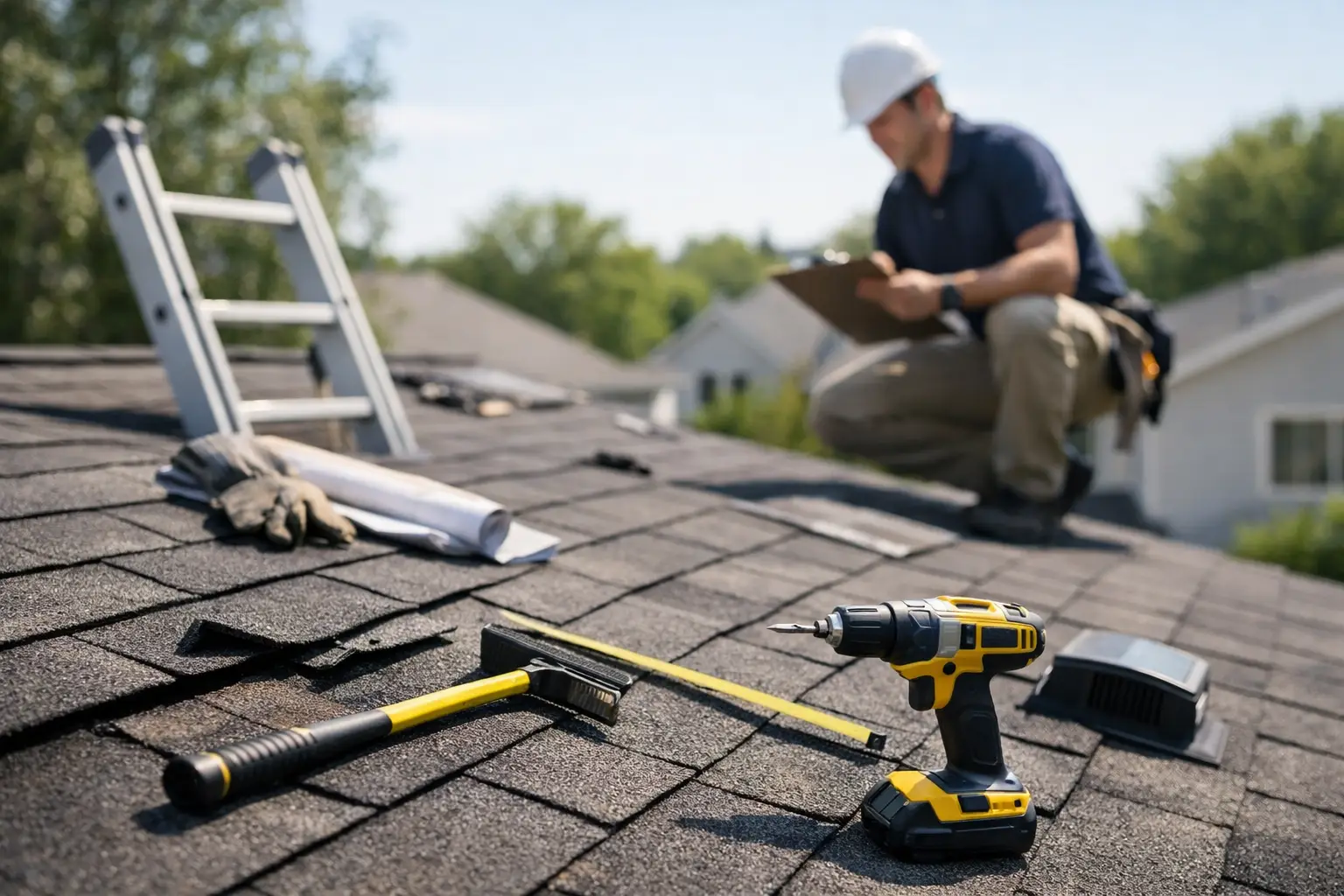
Your roof does not need to be brand new to support solar panels, but it should be in sound condition. Panels are designed to stay in place for decades, so fitting them to a roof that is likely to need major repairs soon rarely makes financial sense.
Look out for slipped, cracked or missing tiles, worn flashing around chimneys, damaged guttering, signs of damp in the loft or a roof that has already had several repairs. If there is an issue, it is usually better to deal with it before the solar installation. Removing and refitting panels later for roof work is possible, but it adds disruption and cost.
Roof age matters too, although it is not the only factor. A well-maintained older roof can be perfectly suitable, while a newer roof with poor workmanship may need attention. A professional survey gives a clearer answer than judging it from ground level.
The survey should also consider the roof structure. Solar panels add weight, but a suitable mounting system spreads that load across the roof. Your installer will assess the rafters, roof covering and fixing points to make sure the proposed design is safe for your home.
Do not forget chimneys, skylights and vents
Features on a roof do not automatically rule out solar. Chimneys, dormer windows, skylights, soil pipes and vents simply affect the available space and panel layout. Sometimes a smaller array is the sensible choice if it avoids awkward gaps or shading.
Shade deserves particular attention. A nearby tree, chimney or neighbouring building can reduce output at certain times of day. This does not mean solar is not worthwhile, especially if shading is limited, but it should be allowed for when estimating generation and choosing the system design. Cutting back a tree may help, provided it is your responsibility and any necessary permissions are in place.
Check how much sunlight your roof receives
In Scotland, homeowners often ask whether solar panels work well enough in our weather. They do generate electricity on bright overcast days as well as sunny ones, but the roof’s orientation, pitch and shade will influence how much energy you produce over a year.
A south-facing roof is often a strong option because it receives the most direct sunlight through the day. East- and west-facing roofs can also work very well, particularly for households that use more electricity in the morning or later afternoon. A west-facing system, for example, may suit a family that is usually out during the day but uses appliances, cooks and charges devices after work.
The best system is not always the largest system that can fit on the roof. It should match your property, budget and typical electricity use. If you are considering battery storage, the design should take that into account too. A battery can store some of the energy you do not use straight away, helping you rely less on bought electricity later in the day.
Make access part of the plan
Safe access is a practical part of solar roof preparation, and it is one of the most common reasons dates need to be adjusted. Most installations require scaffolding, so the team needs enough room to put it up safely and reach the relevant roof area.
Think about driveways, side passages, gates, conservatories, parked vehicles and shared access with neighbours. If the scaffold needs to go over a neighbour’s land or a shared path, it is best to discuss it early. A simple conversation can prevent an awkward delay just before the work is due to begin.
Access inside the property matters as well. Installers may need to reach the loft, consumer unit and the chosen location for inverter or battery equipment. Clear a route where possible, move fragile items away from the work area and let the surveyor know about any access restrictions, such as a narrow stairway or a locked loft hatch.
If your home has a fragile roof covering, difficult parking or unusual access, that does not necessarily stop the project. It may mean more planning, specialist access equipment or a longer installation window. Being upfront about it helps keep costs clear from the start.
Consider the electrical side before installation day
Solar panels sit on the roof, but the system also needs space for electrical equipment. This normally includes an inverter, which changes the electricity from the panels into usable power for your home. If you add battery storage, there will be additional equipment to position safely.
A surveyor will look at your consumer unit, earthing arrangements and the cable route from the roof to the equipment. Older electrical systems may need an upgrade or minor remedial work before solar can be connected safely. That is not always the case, but it is far better to identify it during the survey than on installation day.
You should also consider where a battery would go if you want one. A garage, utility room or suitable internal space may be a good option, depending on the property and the equipment selected. The location should be accessible, appropriately ventilated and protected from avoidable knocks or damp.
Your installer should manage the necessary application to the local electricity network operator. This process confirms that the network is aware of the new generation system and, where required, gives approval before it is connected. It is one less technical task for you to worry about, but it can affect timescales, so it should be started early.
Check permissions and property restrictions
Many domestic solar installations can be carried out under permitted development rules, but there are exceptions. Listed buildings, homes in conservation areas, flats, properties with specific title conditions and some commercial premises may need extra checks or formal permission.
If you live in a listed property or conservation area, do not assume that solar panels cannot be fitted. The rules can vary according to the building and the proposed position of the panels. An early conversation with the relevant planning authority can save time and give you a clearer route forward.
For leasehold properties, shared roofs or flats, written consent from the freeholder, factor or management company may be needed. The same applies where roof space belongs to more than one household. These situations take a little more organisation, but they are much easier when everyone understands the plan before equipment is booked.
Time roof repairs and solar work together
If your roof needs repair, replacement or a loft conversion, coordinate it with your solar project. Ideally, the roof work is completed first, then the solar system is fitted to the finished surface. This avoids removing panels a short time later and gives everyone a cleaner, safer job to work around.
It is also worth checking whether roofers have left clear records of recent work, warranties and any materials used. Share this information during the solar survey. It can help the installer select suitable fixings and understand the condition of the roof without guesswork.
Avoid arranging solar panels around major roofing work based on assumptions about dates. Roofing schedules can change because of weather or material availability. A flexible plan with clear communication between trades is usually the least stressful approach.
What a good survey should give you
A proper home survey should leave you with clear answers, not more jargon. You should understand whether your roof is suitable, how many panels are proposed, where key equipment will be placed and whether any repairs or electrical work are needed first.
You should also receive realistic expectations about generation and savings. Solar can reduce the amount of electricity you buy from the grid, but the result depends on the system size, weather, your energy use and when you use power. Households that use more of their solar electricity directly, or store it for later, often see better value from the system.
Newtech Renewables takes a practical, fully managed approach, helping homeowners identify these details before installation so there are no unnecessary surprises or hidden steps.
The best time to prepare your roof is before you commit to a system, not when the installation team is at the door. Start with an honest assessment of the roof, access and electrics, then choose a solar design that fits how your household actually lives. That is the simplest route to lower bills and a system you can feel confident about for years to come.