
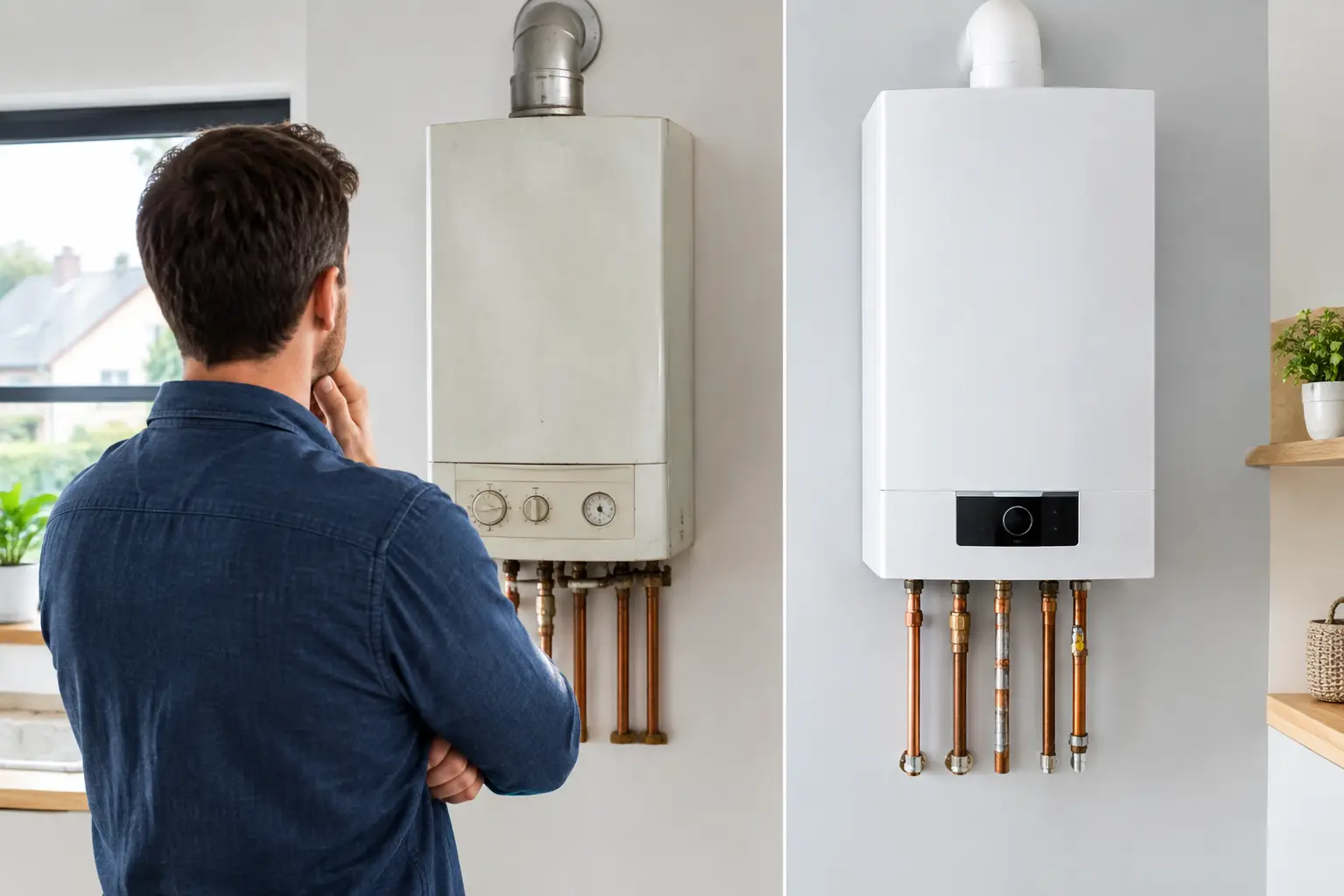
A boiler that keeps cutting out on a cold morning is more than an inconvenience. It can mean higher energy bills, unreliable hot water and the worry of an expensive repair just around the corner. A proper boiler replacement comparison helps you look beyond the headline price and choose heating that suits your home, household and budget.
For many Scottish households, the right answer is a modern gas boiler. For others, particularly where a home is being improved with insulation or low-carbon upgrades, an air source heat pump may be worth considering too. The best option depends on how you use hot water, the number of bathrooms, your existing pipework and what you want your bills to look like over the years ahead.
Start with the problem you need to solve
It is easy to focus on the make of boiler first. In practice, your day-to-day needs matter more. A small flat with one bathroom has very different heating demands from a family home where two showers may run before school and work.
Think about what is frustrating you now. Is the boiler unreliable? Are radiators slow to warm up? Does hot water lose pressure when another tap is turned on? Or are you planning an extension and need a system with more capacity? These answers guide the type and size of replacement required.
A newer boiler is usually more efficient than an old, poorly performing model, but savings are not automatic. The system must be correctly sized, set up well and used with suitable controls. Paying for a larger boiler than you need does not usually mean a warmer home. It can simply mean spending more upfront.
Boiler replacement comparison: the three main types
Most homes replacing a gas boiler will be choosing between a combi, system or heat-only boiler. Each can provide dependable heating when it is matched to the property properly.
Combi boilers
A combi boiler provides heating and hot water from one compact unit. It heats water when you need it, so there is no separate hot water cylinder taking up cupboard space.
This is often a good fit for smaller homes and households with one bathroom. It can be a straightforward replacement if you already have a combi, and it is popular because the installation may involve less equipment.
The trade-off is hot-water flow. A combi can struggle to supply strong hot water to more than one outlet at the same time, especially if mains water pressure is limited. If one person is showering while another fills a bath or runs a kitchen tap, the flow may reduce. For a busy home with two bathrooms, this can become a daily annoyance rather than a small compromise.
System boilers
A system boiler works with a separate hot water cylinder. It stores hot water ready for use, which makes it better suited to households that need hot water in several places at once.
This can be a sensible choice for larger properties, families and homes with more than one bathroom. If you value a powerful shower while someone else is using hot water downstairs, a cylinder-based system can offer more comfortable performance.
The main consideration is space. You will need room for the cylinder, usually in an airing cupboard or utility area. There is also some heat loss from stored water, although a well-insulated modern cylinder keeps this low. A system boiler can cost more to install than a like-for-like combi replacement, but its suitability for a larger household can make that extra cost worthwhile.
Heat-only boilers
A heat-only boiler, sometimes called a regular or conventional boiler, works with a cylinder and often a separate cold-water tank in the loft. It is commonly found in older properties with traditional heating systems.
Keeping this type of set-up can make sense where the existing system is in good condition and the home has high hot-water demand. It may also avoid unnecessary changes to pipework and tanks.
However, a like-for-like replacement is not always the best value. If loft tanks, cylinders or old controls need attention too, compare the full cost of retaining the system against changing to a modern system boiler or combi. A home survey should make this clear before any work begins.
Compare the whole cost, not just the quote total
The cheapest quote can be attractive, particularly when a boiler has failed unexpectedly. But a low starting price may not include everything needed for a safe, lasting installation. A fair boiler replacement comparison looks at what is included as well as the final figure.
Ask whether the price covers removal of the old boiler, a system clean, upgrades to the flue, a magnetic filter, thermostat and heating controls, commissioning, warranty registration and disposal of waste. If pipework needs moving or the new boiler is being relocated, that should be explained clearly too.
A good installer will also discuss the condition of your current heating system. Sludge and debris in old radiators and pipes can affect boiler performance. Cleaning or protecting the system may add to the initial price, but it can help protect a new boiler and support efficient heating over time.
Running costs deserve equal attention. Modern condensing boilers recover more heat from the fuel they use than older models, but the difference you feel on bills will depend on your home’s heat loss and your heating habits. draughty doors, poor loft insulation and radiator settings can all limit the benefit of a new boiler.
Boiler size matters more than most people think
Boilers are often described by their output in kilowatts, but bigger is not automatically better. The right output is based on the home’s heat demand and, for combi boilers, the hot-water flow you need.
A smaller, well-insulated home may not need the same central-heating output as a large detached property. Yet a combi in a one-bathroom home might still need enough power to provide an acceptable shower flow. This is why boiler sizing should not be based only on the number of bedrooms.
An installer should consider the property’s age, insulation, radiator capacity, bathroom use and water pressure. If you are planning insulation, new windows or an extension, mention this during the assessment. Heating choices made for the home as it is today may need to account for the home you are creating next year.
Do not overlook controls and radiator upgrades
A new boiler with an old, basic timer can still waste energy. Simple controls help you heat your home when you need it rather than paying to heat empty rooms for longer than necessary.
A programmable thermostat lets you set a schedule around your routine, while thermostatic radiator valves allow bedrooms and less-used rooms to be set cooler. Smart controls can be helpful if your timetable changes often, but they are not essential for every household. The most useful controls are the ones you will understand and use consistently.
It is also worth checking whether your radiators are suitable. Cold spots, noisy pipes and rooms that never quite warm up can point to balancing or maintenance issues. In some homes, upgrading a few poorly performing radiators makes the new boiler feel far more effective.
When a heat pump may be a better comparison
Replacing a boiler does not always mean choosing another boiler. Air source heat pumps run on electricity and work best when a home can retain heat well and the heating system is designed for lower water temperatures.
They can be a strong long-term option for households looking to reduce reliance on gas, particularly when paired with insulation improvements or solar panels. However, they are not a drop-in swap for every property. Some homes may need radiator changes, more insulation or space for a hot water cylinder. Upfront costs and available support can vary, so it is worth comparing the full picture rather than assuming one technology is right for everyone.
For a boiler that has failed and needs prompt replacement, a modern gas boiler may be the practical route. For planned home improvements, taking time to compare both options can prevent paying twice for changes that could have been planned together.
Questions to ask before you choose
Before accepting a quote, make sure you know what type and size of boiler is being recommended, why it suits your household and what work is included. Ask about the manufacturer warranty, the installer’s workmanship cover and what servicing will be needed to keep the warranty valid.
You should also ask how long the installation will take, whether your heating or hot water will be off overnight, and whether any building work is expected. Clear answers early on make the process far less stressful.
A trustworthy recommendation will not push the most expensive model simply because it has extra features. It will explain the choices in plain English and help you weigh up upfront cost, comfort, space and likely running costs.
The right replacement should give you confidence when the temperature drops: reliable heat, hot water that keeps up with your household, and no hidden surprises in the plan. A clear home assessment is the best place to start, because the best boiler on paper is only the best choice when it fits your home.