
If one room is always cold, the curtains move when the wind picks up, or you are turning the heating higher without feeling any more comfortable, your home is losing heat where it should not. The best upgrades for draughty homes are rarely about one expensive fix. They are about finding where warmth escapes, stopping it sensibly, then making sure your heating system is working for the home you actually have.
For homeowners across Scotland, this matters for more than comfort. A draughty house can cost more to heat, feel damp in winter and put extra strain on an ageing boiler. The good news is that improvements can be tackled in stages, with lower-cost measures often making an immediate difference.
Start by finding the source of the draught
Not every cold spot is a draught. A draught is moving air entering through gaps around windows, doors, floors, pipework or loft hatches. A chilly wall, by contrast, may point to missing insulation, solid-wall construction or a heating issue.
On a windy day, run your hand around the edges of external doors and windows, skirting boards, loft hatches and unused fireplaces. Look for loose seals, gaps where pipes enter the property and ill-fitting letterboxes. Condensation around windows can also suggest that warm indoor air is meeting a very cold surface.
This simple check helps prevent wasted spending. Replacing a boiler will not solve a gap under the back door, and fitting solar panels will not make a poorly insulated bedroom feel warmer overnight. Start with the building fabric, then plan bigger energy upgrades around it.
Draught proofing: the quickest comfort win
Draught proofing is one of the most affordable upgrades for a cold home. Self-adhesive strips around window and door frames, brush seals for the bottom of doors and covers for keyholes or letterboxes can cut down uncomfortable air movement quickly.
Older timber sash windows are common in many Scottish homes and should not automatically be replaced. Well-fitted draught seals, repaired cords and secondary glazing can improve comfort while retaining the character of the property. Full replacement windows may still be the right choice where frames are failing, glazing is poor or maintenance has become a constant expense, but it is worth comparing the benefit with a simpler repair first.
Be careful not to block planned ventilation. Trickle vents, extractor fans and air bricks have a job to do, particularly in kitchens, bathrooms and homes prone to damp. The aim is to stop uncontrolled draughts, not seal a property so tightly that moisture has nowhere to go.
Insulate the areas that lose the most heat
Once obvious gaps are dealt with, insulation usually offers the biggest improvement to warmth and running costs. Heat naturally moves towards colder areas, so a poorly insulated loft, wall or floor can make your heating work harder than it needs to.
Loft insulation
Loft insulation is often a sensible first major step because it is usually straightforward to install and can make rooms below feel more stable in temperature. Check that insulation is laid evenly, with no bare patches, and that the loft hatch itself is insulated and sealed.
If you use the loft for storage, avoid simply compressing the insulation under boards. Raised boarding allows insulation to retain its depth while still giving you useful storage space. In properties with a cold water tank or pipes in the loft, these may also need suitable protection from low temperatures.
Cavity, solid-wall and floor insulation
Cavity wall insulation can be effective in suitable homes, but a proper assessment is essential. Exposure to driving rain, the condition of external walls and the type of construction all matter. A solution that works well in one street may not suit a more exposed property nearby.
Solid-wall insulation can deliver a bigger change in older homes, but it is a more involved project. Internal wall insulation reduces room size slightly, while external wall insulation changes the outside appearance and may need additional permissions. Both should be designed carefully to manage moisture and maintain ventilation.
Underfloor insulation is especially worth considering if you have suspended timber floors and feel cold air coming through floorboards. It can make a sitting room or ground-floor bedroom noticeably more comfortable. Rugs may help with the feel underfoot, but they do not solve air movement below the floor.
Improve windows and doors where it makes financial sense
Windows and doors are often blamed for heat loss, and sometimes rightly so. Single glazing, damaged seals, warped frames and doors that no longer close squarely can all create cold spots and draughts.
However, new windows are a significant investment. If existing double glazing is generally sound, replacing failed units, renewing hinges and seals, or adding secondary glazing may provide better value. Heavy, well-fitted curtains can also reduce the chill from glazing in the evening, although they should be kept clear of radiators so heat can circulate into the room.
For external doors, check the threshold, frame seals and letterbox before assuming the whole door needs replaced. A composite or modern insulated door can be worthwhile where the existing one is thin, damaged or beyond repair, but small adjustments can sometimes do the job.
Make heating work with a warmer home
After draught proofing and insulation, your heating should not have to fight against the cold to keep rooms comfortable. This is the right point to look at controls, maintenance and longer-term heating upgrades.
Start with the simple changes: use a programmable thermostat, set sensible heating times and make sure radiators heat evenly. Cold patches at the bottom of a radiator, noisy pipework or rooms that never reach temperature may mean the system needs balancing, flushing or servicing. Thermostatic radiator valves can also help you avoid heating rarely used rooms to the same level as busy living areas.
If your boiler is old, unreliable or costly to run, a modern energy-efficient boiler may reduce waste and improve control. The right option depends on your household’s hot water use, the size of the property and the condition of the existing system.
An air source heat pump can be an excellent longer-term choice for a well-insulated home. It provides steady, lower-temperature heat rather than short, intense bursts, so it performs best when the property holds onto warmth and the system is designed properly. Some homes will need larger radiators or other upgrades as part of the installation. That is not a reason to rule it out – it is a reason to have a clear home assessment before making a decision.
Consider solar and battery storage after reducing demand
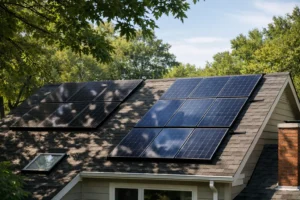
Solar panels do not stop draughts, but they can reduce the cost of the electricity your home uses once heat loss is under control. They are particularly useful if your household uses electricity during the day, charges an electric vehicle, or is moving towards electric heating and hot water systems.
Battery storage can help you keep more of the electricity your panels generate for use later. It can also support households on certain time-of-use tariffs by storing lower-cost electricity for the evening. The savings depend on your usage pattern, roof suitability and tariff, so it should be based on real household figures rather than a one-size-fits-all promise.
For many homes, the strongest plan is straightforward: reduce heat loss first, improve heating controls and efficiency next, then look at solar or storage as part of a wider lower-bill strategy.
Prioritise upgrades around your budget
You do not need to do everything at once. A practical order is to tackle easy draughts first, check loft insulation, then investigate walls, floors, windows and heating improvements according to your property’s needs. If you are planning an extension, new windows or a heating replacement anyway, that can be the ideal time to combine jobs and avoid paying twice for disruption.
There may also be funded-upgrade routes available to eligible households, particularly where income, benefits or property energy performance meet scheme criteria. Eligibility and support levels can change, so a suitability check is the safest way to understand what applies to you.
A warmer home should feel simpler to live in: fewer cold corners, less fiddling with the thermostat and bills that are easier to manage. Start with the places the warmth is escaping, and each next upgrade will have a better chance of paying you back in comfort.