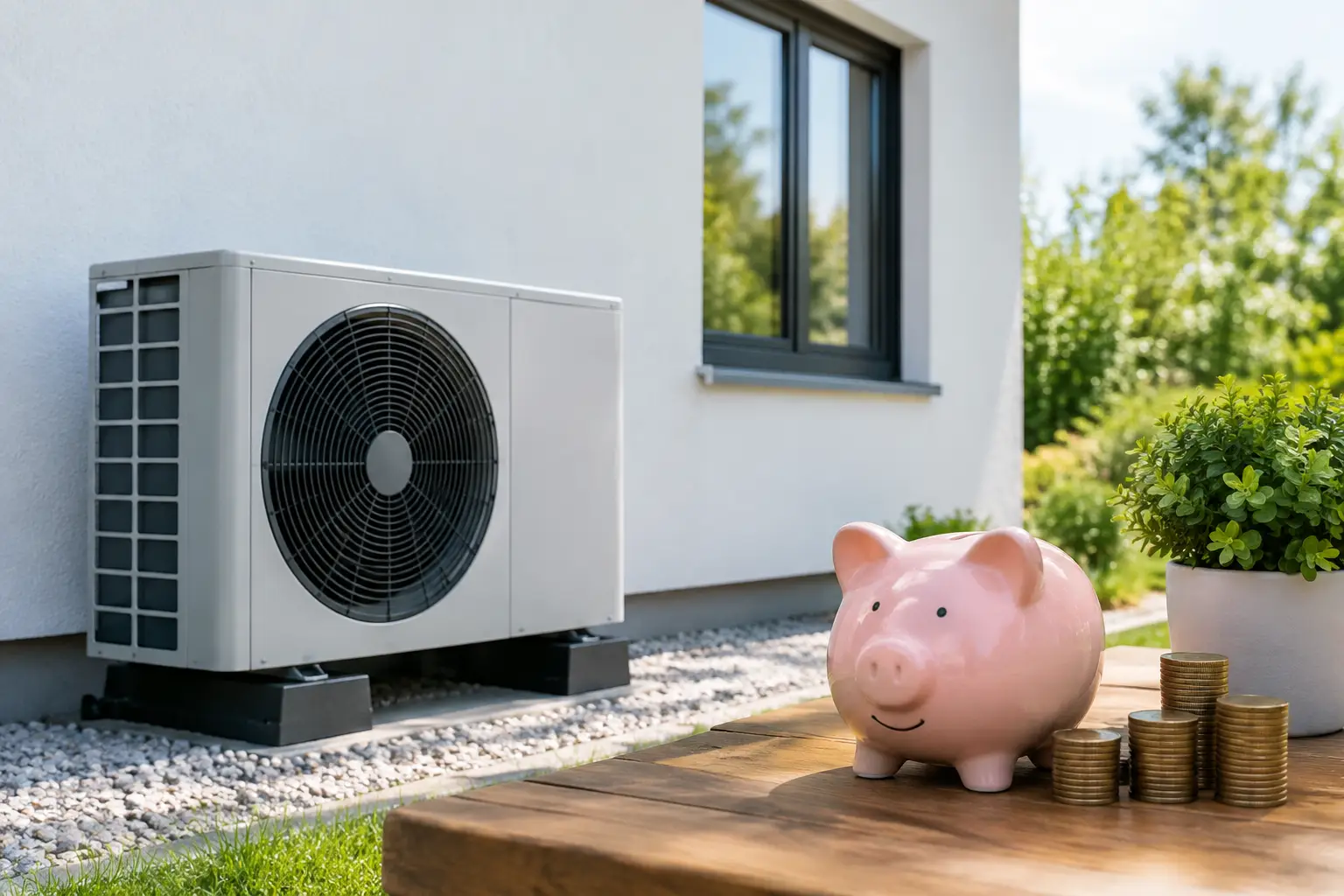
When your fuel bill keeps rising, it is natural to look for a heating system that gives you more control. High fuel costs? Change to an air source heat pump and save money is a simple idea, but the real value comes from choosing a system that suits your home, your heating habits and your budget.
An air source heat pump does not create heat by burning fuel. It takes warmth from the outdoor air and moves it indoors to heat your rooms and hot water. That means it can reduce your reliance on oil, LPG or an older, costly gas boiler. For many Scottish households, it can also mean steadier warmth through the colder months.
The key is to look beyond a headline saving. A heat pump can be an excellent investment, but the result depends on your property and the quality of the design and installation.
Why high fuel costs make heat pumps worth considering
Oil and LPG prices can move sharply, making it difficult to plan household spending. Even gas households can feel the pressure when an inefficient boiler needs to work hard to keep the house comfortable. A heat pump offers a different approach: it uses electricity to move heat rather than generating it directly.
Put simply, for every unit of electricity a well-designed heat pump uses, it can usually deliver several units of heat to your home. This is why heat pumps can cost less to run than direct electric heating, oil or LPG, particularly when they replace an older system that is wasting energy.
They work best at a lower, steadier temperature than a traditional boiler. Instead of turning the heating up high for a short burst, a heat pump gently maintains a comfortable indoor temperature. That can feel like a big change at first, but many homeowners prefer the more even warmth, without cold rooms first thing in the morning or by early evening.
Can an air source heat pump really save you money?
It can, but honest advice matters here. Savings are not identical from one household to the next. Your current fuel, the condition of your home, your electricity tariff and how the system is set up all make a difference.
Homes moving away from expensive fuels often have the clearest opportunity to cut running costs. If you currently use oil, LPG, electric storage heaters or an ageing electric boiler, a heat pump may reduce what you spend on heating while improving comfort. If you have a modern, efficient gas boiler and low gas use, the financial saving may be smaller. In that case, the decision may be more about future-proofing your home, reducing carbon emissions and avoiding the uncertainty of fuel prices.
A proper home assessment should look at your actual heat loss, not just the size of the property. It should also consider the rooms you use most, how much hot water your household needs and the radiators already in place. This makes sure the system is sized for real life rather than a rough estimate.
Your insulation makes a difference
A heat pump can work in older homes, including many properties across Glasgow and the Central Belt. It is not reserved for new builds. However, a draughty home loses heat quickly, so simple improvements such as loft insulation, cavity wall insulation where suitable, draught proofing and better glazing can make a meaningful difference.
This does not always mean carrying out every upgrade before considering a heat pump. It means understanding where your home is losing heat and dealing with the biggest issues first where practical. A warmer home needs less energy, which helps your heat pump run efficiently and keeps bills more manageable.
Radiators may need attention
Because heat pumps run at lower water temperatures, some homes need larger radiators or additional emitters in certain rooms. This is not a drawback to hide. It is part of designing the system properly.
The good news is that radiator upgrades can improve comfort as well as efficiency. A cold bedroom or chilly extension is often a sign that the existing heating system has never been balanced around how the house is used. Getting this right helps the heat pump provide consistent warmth without being pushed harder than necessary.
High fuel costs: change to an air source heat pump with a clear plan
The best way to avoid surprises is to treat the change as a home-heating project, not just a product purchase. A clear process takes the stress out of the decision and helps you see where the money is going.
First, a suitability check should establish whether an air source heat pump is right for your property. This includes the outside space available for the unit, your current heating system, insulation levels and the likely work needed indoors.
Next comes a detailed heat-loss survey. This tells the installer how much heat each room needs on a cold day. From there, the system can be designed with the right heat pump size, cylinder, pipework and radiators. Bigger is not automatically better. An oversized heat pump can cycle on and off more than it should, while an undersized one may struggle in cold weather.
You should then receive clear information about the installation cost, the expected work and any upgrades that are recommended. Ask for plain-English answers on what is included. A good installer will explain the likely running costs without promising a figure that cannot be guaranteed.
Finally, make sure you understand the controls. A heat pump is straightforward to live with once it is set up properly, but it should be commissioned around your routine. The right settings can have a real effect on comfort and efficiency.
What about the upfront cost?
The upfront cost is often the main concern, and understandably so. A heat pump installation can involve more than replacing one box on the wall with another. There may be a hot water cylinder, radiator changes, electrical work or insulation improvements to consider.
Support may be available for eligible households through grant-funded or local upgrade routes, depending on your circumstances and the scheme rules at the time of application. These programmes can make a major difference to the amount you need to pay, but eligibility and available funding can change. It is always worth getting advice based on your home rather than assuming you will or will not qualify.
For private customers, it helps to think about total value rather than the installation price alone. A well-designed system can lower reliance on costly fuel, improve comfort and add an efficient, modern heating solution to the property. Clear costs from the start are far better than a cheap quote followed by unexpected extras.
Make the savings work harder
A heat pump can become even more cost-effective when it is part of a wider energy plan. Solar panels can generate electricity during daylight hours, while battery storage can hold more of that power for use later. They will not cover all heating demand in winter, when homes need the most warmth, but together they can reduce the amount of electricity bought from the grid across the year.
Your electricity tariff matters too. Some tariffs offer lower prices at certain times, which may suit hot water heating or battery charging. The right option depends on your household routine, so it is worth reviewing it after installation rather than leaving your old tariff in place by default.
Small habits also help. Keep internal doors closed in rooms you are not using, avoid switching the heat pump on and off repeatedly, and give it time to maintain a stable temperature. Unlike a boiler that is often run in short bursts, a heat pump usually rewards a calmer, more consistent approach.
Choosing an installer you can trust
A heat pump should feel like a practical upgrade, not a complicated science project. Look for an MCS registered installer that carries out a full assessment, explains the proposed work clearly and gives you realistic expectations about costs and savings.
Newtech Renewables helps homeowners understand the options without the jargon, from the first suitability check through to installation and aftercare. The aim should always be a system that fits your home and budget, with no hidden costs and no pressure to buy more than you need.
High fuel bills are frustrating, but they can also be the point where a better long-term heating plan starts. With the right assessment and a properly designed air source heat pump, you can move towards a warmer home, more predictable energy use and less dependence on expensive fuel.