A cold patch by the sofa, condensation on the windows and a heating bill that keeps climbing are not just winter annoyances. They are often signs that your home is losing energy where it should be keeping it. Energy efficiency is about reducing that waste, so you can enjoy a warmer, more comfortable home without paying to heat the street.
For many Scottish households, the best results do not come from one expensive change. They come from choosing the right improvements in the right order, based on how your property currently performs and what you can comfortably afford.
What energy efficiency means for your home
Energy efficiency simply means using less energy to achieve the same result. In a home, that could mean keeping rooms warm for longer, producing hot water more economically, or using electricity generated on your own roof rather than buying all of it from the grid.
It is not about sitting in a colder house or changing every habit overnight. It is about stopping avoidable heat loss, improving the way your heating works and making your energy use work harder for you.
The benefit you notice first is often comfort. A well-insulated, properly heated home tends to have fewer cold spots and more even temperatures from room to room. Lower bills can follow, although the amount you save depends on your property, energy tariff, how you use heating and the upgrades you choose.
Start with the heat your home is losing
Before looking at larger renewable systems, it makes sense to deal with the easy-to-fix gaps. Even a modern boiler or heat pump has to work harder if warmth is escaping through draughts, an uninsulated loft or poorly performing windows.
Small improvements can make a real difference
Draught-proofing around doors, windows, loft hatches and floorboards is usually one of the most affordable ways to improve comfort. It will not solve every issue in an older property, but it can make rooms feel less chilly and reduce unwanted airflow.
Loft insulation is another high-value improvement. Heat rises, so a poorly insulated roof space can allow a surprising amount of warmth to disappear. Cavity wall insulation may also suit some homes, while solid-wall properties need more careful consideration. The right option depends on the construction of the building and its condition. Insulation should always be assessed properly, particularly where there are damp concerns or older walls that need to breathe.
Windows are often blamed for heat loss, but replacement is not always the first job to tackle. Good-quality curtains, correctly fitted seals and sensible ventilation can help in the short term. If glazing is old, damaged or particularly inefficient, replacement may be worthwhile as part of a wider plan.
Make your heating system work smarter
Once your home is holding on to more heat, look at how that heat is produced and controlled. An inefficient or unreliable boiler can cost more to run and leave parts of the house feeling unevenly heated.
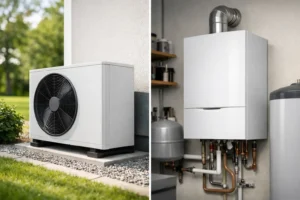
A modern energy-efficient boiler can be a practical choice for homes that use gas and need a straightforward replacement. It is often less disruptive than a full heating redesign, especially if the existing system is in reasonable condition. However, a new boiler alone cannot compensate for poor insulation or a badly balanced heating system.
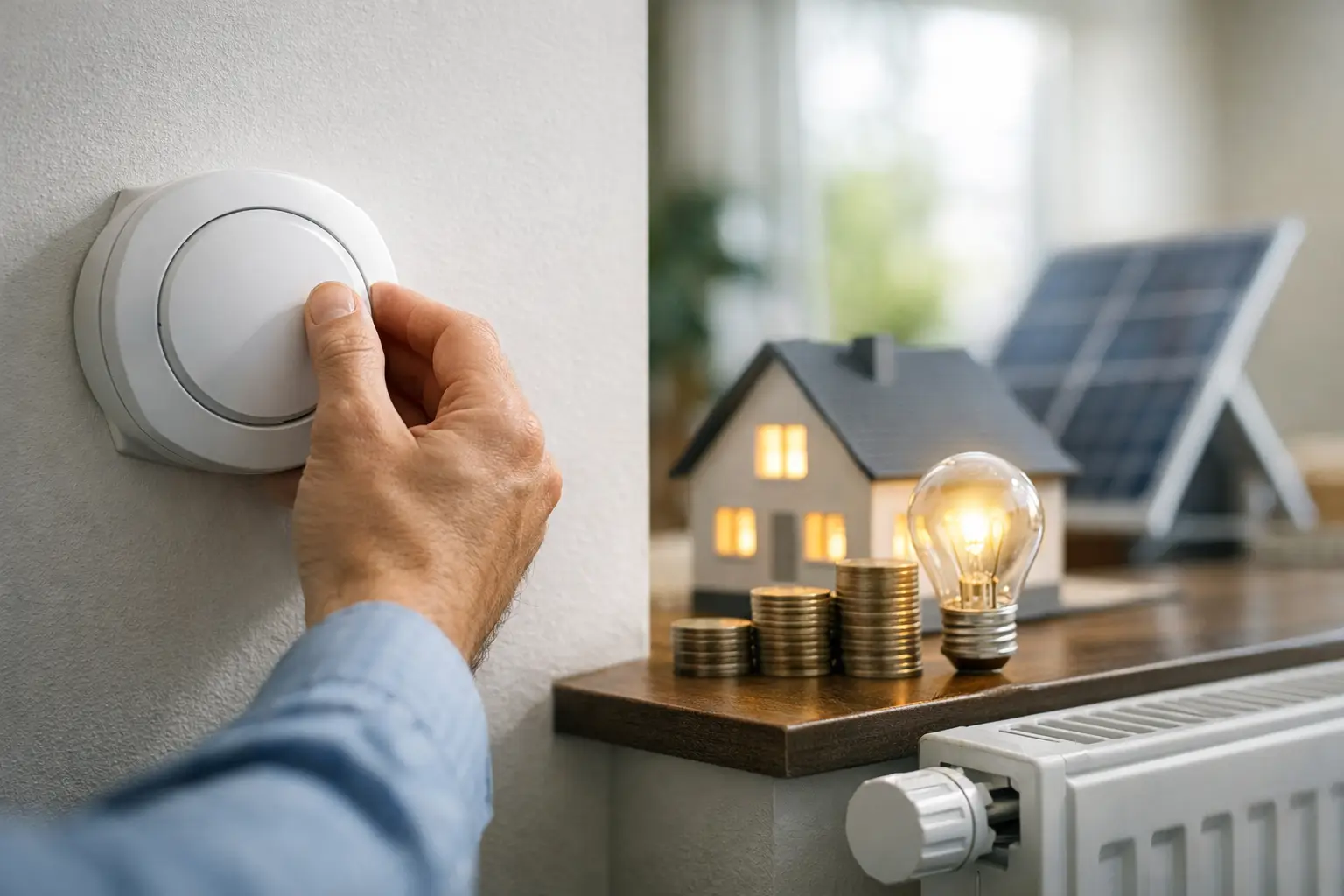
Simple controls matter too. A programmable thermostat, thermostatic radiator valves and heating zones can help you warm the rooms you use, when you use them. The aim is not to switch the heating on and off constantly. It is to avoid heating empty rooms unnecessarily and to keep your system running in a controlled, efficient way.
When an air source heat pump could suit
Air source heat pumps take heat from the outside air and use it to warm your home and hot water. They are designed to run steadily at lower temperatures than many traditional boilers, which is why insulation, radiator sizing and good controls are so important.
A heat pump can be an excellent long-term option, but it is not a one-size-fits-all purchase. Your home needs a proper assessment to establish whether the insulation, pipework, radiators and available space are suitable. Some properties will need upgrades first. That is not a reason to rule a heat pump out – it simply means the system should be designed around your home, not sold as a quick fix.
Use solar power to reduce daytime electricity costs
Solar panels are one of the clearest ways to generate your own electricity. When the panels are producing power, your home can use it for appliances, lighting and other everyday electricity needs before you draw as much from the grid.
In Scotland, solar panels can still perform well despite our reputation for grey weather. Panels generate electricity from daylight, not just direct sunshine. Output will vary through the seasons, with longer summer days usually producing more, but a suitable roof can provide useful generation across the year.
The amount you save depends on how much of your solar electricity you use at home. A household that is out all day may use less power while panels are generating than a household where someone works from home. Timers can help move suitable activities, such as washing or dishwashing, into daylight hours.
Battery storage gives you more flexibility
A battery stores surplus solar electricity so you can use it later, such as during the evening when the sun has gone down. For some households, this increases the share of solar power they use themselves and reduces the amount bought from the grid.
Battery storage is not essential for every solar installation. If budget is tight, solar panels alone can still be a strong starting point. A battery may make more sense if your household uses plenty of electricity after work, has high evening demand or wants greater control over when it uses stored power. The right choice comes down to your usage pattern, not just the size of your roof.
Choose upgrades in the right order
There is no single energy efficiency checklist that suits every home, but a sensible approach usually follows the same principle: reduce waste first, then improve how you heat the property, then consider how you generate and store electricity.
For a typical home, this may mean sorting draughts and insulation before replacing an ageing heating system. For another household, solar panels may be the immediate priority because electricity use is high and the roof is ideal. If you are considering a heat pump, fabric improvements and a full home assessment should be part of the conversation from the start.
Avoid making decisions based only on headline savings figures. A good installer should explain what is suitable for your property, what work may be needed, what the installation involves and where the likely trade-offs are. Clear pricing and realistic expectations make it much easier to plan with confidence.
Do not overlook maintenance and everyday habits
The systems in your home need looking after to keep performing well. Boilers should be serviced as recommended, filters and settings on heat pumps should be checked, and solar panels, batteries and inverters should be monitored if performance seems unusual. A small issue left unattended can affect comfort and running costs.
Everyday habits help as well. Washing clothes at lower temperatures, using full loads in appliances, turning off standby items where practical and avoiding blocked radiators all contribute. These changes will not transform an inefficient home on their own, but they support the improvements you have paid for.
For homeowners across Glasgow and the Central Belt, Newtech Renewables can help make the process less daunting, from discussing suitable options to managing installation. Whether you choose a modest first step or a larger upgrade, the most useful change is the one that fits your home, your budget and the way you actually live. A warmer house and a more manageable energy bill are often built one sensible decision at a time.