A heat pump can make your home feel more consistently warm while reducing reliance on expensive fossil fuels. But knowing how to prepare for heat pump installation helps the process run smoothly, avoids surprises, and gives your new system the best chance of cutting your heating costs from day one.
For most homes, preparation is not about carrying out a long list of expensive jobs before you speak to an installer. It is about understanding your property, making sensible improvements where they are needed, and planning for a short period of disruption while the work is completed.
Start with a proper home assessment
A heat pump should never be chosen on guesswork. The right system size depends on how quickly your home loses heat, not simply on the size of your existing boiler.
During a home survey, an installer will look at your insulation, windows, room sizes, existing radiators, hot water needs and available space outside. They will also assess where pipework, the hot water cylinder and the outdoor unit could go. This is the point to be open about any rooms that always feel cold, areas you do not use often, and how much hot water your household gets through.
A good assessment may show that your home is already well suited to an air source heat pump. Or it may highlight a few improvements that would make a real difference first, such as topping up loft insulation, draught-proofing a door, or replacing an undersized radiator. That is useful information, not a reason to worry. The aim is a warmer home that costs less to run, not a system that looks good on paper but struggles on the coldest Glasgow morning.
If you are considering financial support for an upgrade, ask about this early. Eligibility, property requirements and the work covered can vary, so it is better to understand the route available before making commitments.
Make your home hold on to heat
Heat pumps work most efficiently when they heat a well-insulated home steadily. They do not need your house to be brand new or perfectly airtight, but reducing unnecessary heat loss means the system has less work to do.
Start with the straightforward checks. Look in the loft to see whether insulation is even and deep enough. Check for obvious gaps around external doors, letterboxes and pipe entry points. If you have a suspended floor, consider whether cold draughts are coming up through gaps around skirting boards. Curtains, chimney draught excluders and sensible draught-proofing can improve comfort too.
Wall insulation, upgraded glazing and floor insulation can also help, but they are bigger decisions with different costs and payback periods. They are not automatically required before a heat pump installation. Your survey should help you prioritise the measures that will give your particular home the best result.
Avoid sealing up ventilation that the property needs. Bathrooms, kitchens and rooms with open fires or older ventilation arrangements need careful consideration. A good installer will look at the whole property rather than recommending one-size-fits-all changes.
Check your radiators and hot water setup
One of the biggest differences between a boiler and a heat pump is the way heat is delivered. A boiler often sends very hot water to radiators for short bursts. A heat pump generally works best at a lower water temperature over longer periods, giving a gentler and more even warmth.
That means some existing radiators may need to be larger. This is particularly common in bigger rooms, rooms with outside-facing walls, and spaces that have always been difficult to heat. It does not mean every radiator needs replacing. A room-by-room calculation will show which ones are suitable and which, if any, should be upgraded.
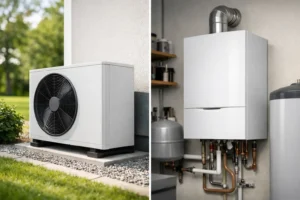
You may also need a hot water cylinder if your home does not already have one. Heat pumps heat water efficiently, but more gradually than a combi boiler. A properly sized cylinder stores enough hot water for baths, showers and everyday family use. It needs a suitable indoor location, such as an airing cupboard, utility room or larger cupboard, plus access for installation and future servicing.
Before the survey, it is worth noting how many people live in the property and whether several showers are often used back-to-back. These everyday details help ensure the system is designed around your household, rather than an average home.
Plan the outdoor unit location
The outdoor unit needs a clear, practical place to sit. It draws heat from the outside air, even in cold weather, so it needs good airflow around it. It should not be boxed into a tight corner, placed beneath a low obstruction, or surrounded by clutter that could restrict air movement.
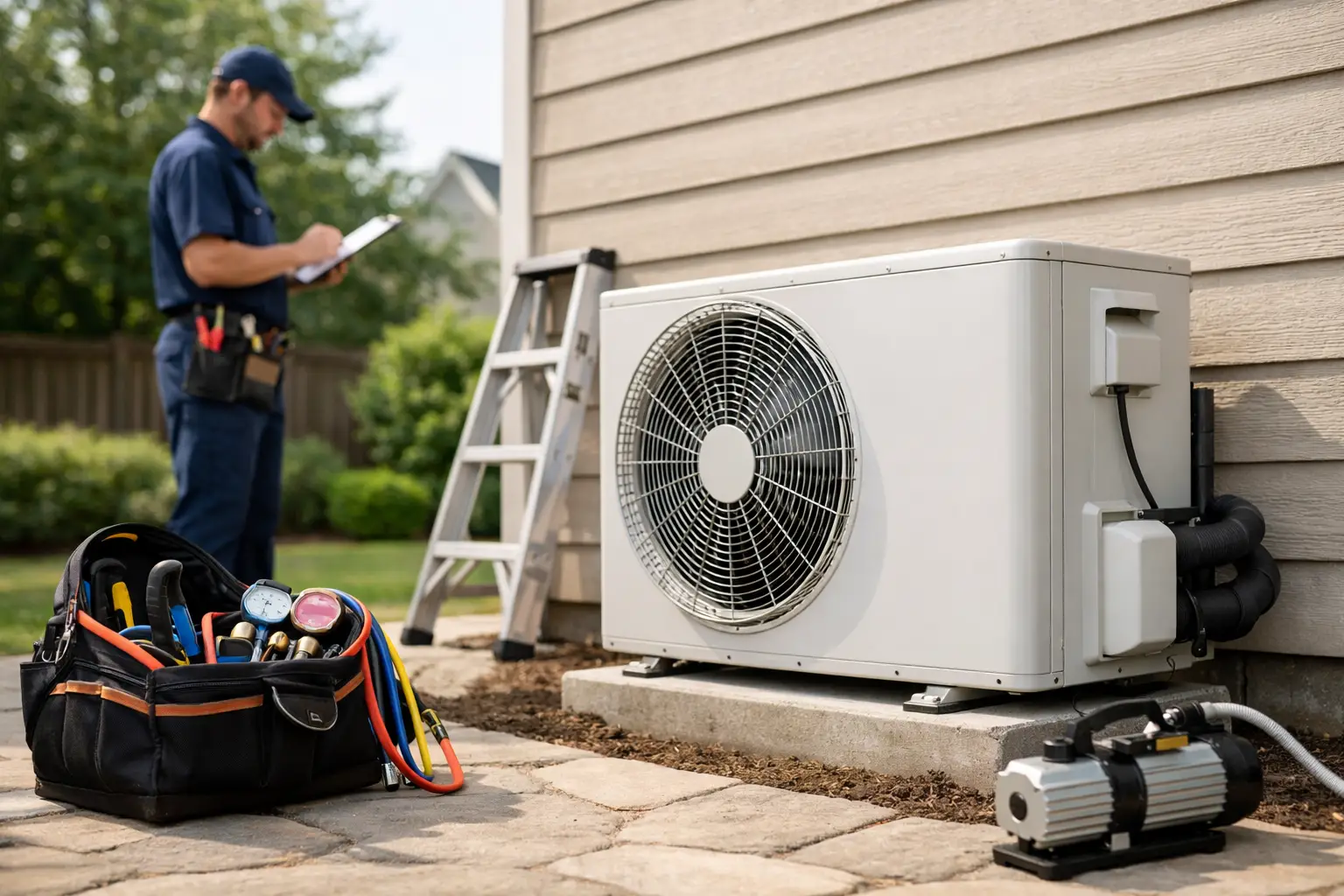
A solid base is needed, usually positioned close enough to the house to keep pipework sensible while allowing safe access for maintenance. Your installer will consider the route from the unit to the indoor equipment, condensate drainage, the appearance of the installation, and the sound level at your own home and neighbouring properties.
Heat pumps are much quieter than many people expect, but location still matters. Do not choose a spot immediately outside a bedroom window or beside a neighbour’s boundary just because it is convenient. In terraced homes, flats, conservation areas or properties with limited outdoor space, planning and permission requirements can be more specific. Your installer should explain what applies before work begins.
Clear access is just as useful as the final position. Move bins, garden furniture, plant pots and anything else that could get in the way of the installation team. If access is through a side gate, check its width and make sure it can be opened on the day.
Sort practical details before installation day
Once the design is agreed, a little organisation makes installation far less stressful. The team may need access to your loft, airing cupboard, radiators, consumer unit and the route between indoor and outdoor equipment. Move valuables and fragile items away from these areas, and clear enough space for safe working.
You should also ask how long your heating and hot water may be off. Every installation is different, but knowing the likely schedule helps you plan around school runs, working from home and family routines. If work is taking place in colder weather, have warm layers and a simple back-up plan for hot water if needed.
A few things are especially worth confirming in advance:
- where the installers can park and unload equipment;
- whether any pets need to be kept away from work areas;
- which rooms need access and whether flooring or furniture needs protection;
- who will be at home to answer questions and approve any necessary changes.
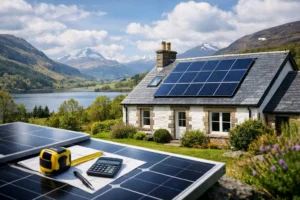
If you have an older electrical consumer unit, limited capacity, or you are planning solar panels and battery storage as well, mention it early. Heat pumps need an appropriate electrical supply, and it is easier to plan any electrical work as part of one clear installation process.
Think about how you will use the new system
Preparing for a heat pump is also about preparing for a slightly different heating routine. The best results usually come from keeping a steady temperature rather than turning the heating fully off and expecting the house to heat up instantly later.
This does not mean wasting energy by heating empty rooms all day. It means using sensible schedules, room controls and thermostat settings that match the way your household lives. For example, a family home may benefit from a modest overnight setback rather than a full shutdown, while a property occupied only at weekends may need a different approach.
Ask for a clear handover when the work is complete. You should understand how to adjust the controls, how hot water settings work, what normal operating sounds are like, and who to contact if something does not look right. Keep the paperwork somewhere safe, including product information, warranty details and any certificates provided.
Choose the right installer, not just the lowest quote
A cheap quote can be tempting when household costs are rising, but the lowest upfront figure is not always the best value. A heat pump is a long-term home improvement, and its performance depends heavily on accurate design and careful installation.
Look for a clear scope of work. It should explain the proposed heat pump, any radiator changes, cylinder requirements, electrical work, controls, pipe routes, outdoor unit location and what is included in the final price. Ask what happens if the survey identifies an issue, such as hidden pipework problems or an unsuitable radiator, so there are no unexpected costs later.
For homeowners across Glasgow and the wider Central Belt, choosing an MCS-registered installer such as Newtech Renewables can provide added reassurance that the system is being assessed and installed to recognised standards. More importantly, you should feel comfortable asking questions. A good installer will explain the options in plain English and will not pressure you into work your home does not need.
A little preparation now can make your heat pump installation feel like a practical upgrade rather than a major disruption. Clear the space, share honest information about your home and heating habits, and let the survey guide the decisions. The result should be simple: a home that stays comfortably warm, with a heating system designed around real life.