When your electricity bill lands higher than expected again, it is hard not to wonder whether anything will actually make a lasting difference. That is usually where the question starts: how solar panels cut bills, and whether the savings are real enough to justify the change.
The short answer is yes, solar can reduce what you pay for electricity, but the amount you save depends on your home, your usage and the system you choose. For most households, the biggest benefit is simple. You buy less electricity from the grid because your home is producing some of its own power during the day.
How solar panels cut bills in real life
Solar panels generate electricity from daylight, not just bright sunshine, which matters in the UK. When the system is producing power, your home can use that electricity instead of drawing as much from your supplier. If the washing machine is on, someone is working from home, or the dishwasher is running, that daytime electricity can come straight from your roof.
That is the main way savings happen. Every unit of solar electricity you use yourself is one less unit you need to buy at standard electricity rates. As prices rise, that benefit becomes more noticeable.
There is also a second layer to the saving. If your system produces more than you are using at that moment, the extra electricity can be sent back to the grid, and in many cases you can receive payment for it through an export tariff. That will not usually be the biggest part of the financial benefit, but it can still help improve the overall value of the system.
Why some homes save more than others
Two neighbours can have solar panels and see very different results. That is not because one system is good and the other is bad. It is usually down to how much electricity the household uses, when they use it and how suitable the property is.
If you are out all day and most of your electricity use happens late in the evening, your panels may generate power when nobody is around to use much of it. You can still benefit, especially with an export tariff, but the savings may be lower than in a home where people are in during the day.
On the other hand, families with daytime electricity use often see stronger savings. Home working, school runs, regular appliance use and electric heating support can all mean more of your solar power gets used on site rather than exported.
Roof position also matters. A south-facing roof often gives the strongest output, but east and west-facing roofs can still work very well. Shade from trees, chimneys or nearby buildings can reduce generation, so a proper home assessment is important before anyone promises big results.
The role of electricity prices
One reason solar has become more attractive for homeowners is the cost of grid electricity. When electricity is expensive, every bit of solar power you use at home is worth more to you. That is why many households feel the difference in monthly costs once a system is installed.
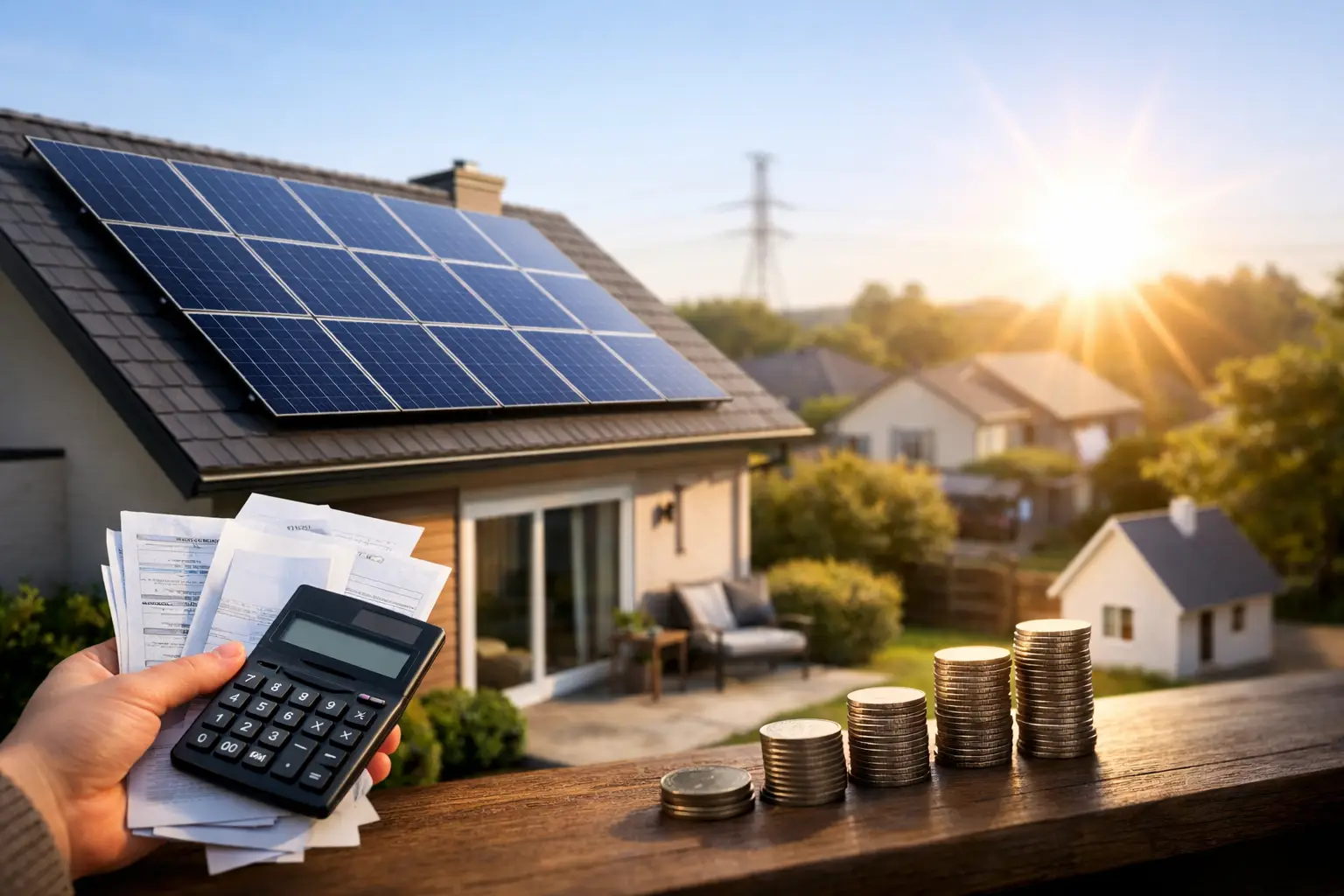
This is also where solar often makes more sense than people first assume. Many homeowners focus only on the upfront cost, but the real comparison is between buying power from the grid year after year or generating part of it yourself for the long term.
That does not mean solar is right for every property or every budget. It means the maths should be looked at properly, with realistic savings based on your home rather than a one-size-fits-all sales pitch.
Battery storage can increase the savings
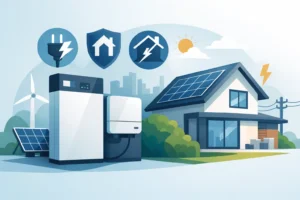
If you want to understand how solar panels cut bills more effectively, battery storage is a big part of the conversation. Without a battery, surplus electricity generated during the day is usually exported. With a battery, some of that extra power can be stored and used later, such as in the evening when demand at home tends to be higher.
That can make a noticeable difference because it helps you use more of the electricity your system produces. Instead of buying power back from the grid after sunset, you may be able to run lights, appliances and other household essentials from stored energy.
A battery does add to the initial cost, so it is not automatically the best option for every home. For some households, solar panels alone are enough to bring worthwhile savings. For others, especially homes with higher evening use, adding storage can make the system far more useful.
What kind of bills solar can reduce
Solar panels mainly reduce electricity bills. They do not directly lower gas bills unless your home uses electricity in ways that replace gas, for example through certain heating setups or hot water systems.
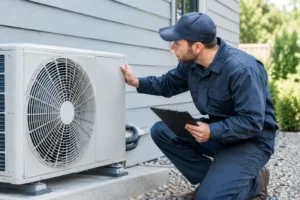
That distinction matters because some households expect solar to cut all energy costs at once. In reality, the clearest savings tend to show up on the electricity side first. If you are also planning other improvements, such as a heat pump, battery storage or insulation upgrades, the overall impact on household energy costs can be bigger.
For some homeowners, the smartest route is not one major change in isolation but a combination of practical upgrades that work together.
How long it takes to feel the benefit
Most people do not install solar because they expect an instant miracle on the next bill. They do it because they want lower running costs over time and more control over what they spend.
You may notice the difference quite quickly, especially in brighter months when your system is generating more. But solar is usually best seen as a medium to long-term investment. The value builds over years through reduced electricity purchases and, in some cases, export payments.
The exact payback period depends on system size, installation cost, energy prices and how much of your solar electricity you use yourself. Anyone claiming a fixed answer without asking about your home is probably oversimplifying it.
A cheaper system is not always the better deal
It is tempting to compare solar quotes on price alone, especially when household budgets are tight. But the cheapest system is not always the one that cuts bills most effectively.
Panel quality, inverter performance, system size and installation standards all matter. So does whether the setup actually matches your household usage. A system that is too small may leave savings on the table. One that is too large for your needs may take longer to justify its cost.
This is where a clear, stress-free process really matters. Homeowners need honest advice, simple pricing and a realistic idea of what they can expect, not technical jargon or inflated promises. That practical approach is one reason many households choose companies like Newtech Renewables Ltd when they want clear guidance without the hard sell.
Solar savings in Scotland and England
Homeowners across Scotland and England often ask whether the UK climate makes solar less worthwhile. It is a fair question, but solar panels still work on daylight, and modern systems can generate useful electricity even on cloudy days.
What changes through the year is output. Summer usually brings stronger generation, while winter is lower. That means savings are not perfectly even month to month. Even so, over a full year, many homes still see worthwhile reductions in electricity costs.
The key point is not whether your roof gets Mediterranean sunshine. It is whether your property gets enough usable daylight and whether the system is designed around your actual energy habits.
Grants, support and affordability
For some households, the biggest barrier is not whether solar works. It is the upfront cost. That is why support schemes and funded upgrade routes can make such a difference where available.
Not every homeowner will qualify, and eligibility depends on the scheme and household circumstances. But if you are already looking at ways to improve your home’s efficiency, it is worth checking what support may be available alongside other upgrades.
Even where full funding is not an option, simple package pricing and a managed installation process can make solar feel far more achievable than many people expect.
Is solar worth it if you plan to move?
This depends on timing. If you are planning to move very soon, the full financial benefit may not have time to build. If you expect to stay for several years, solar can still make solid sense.
There is also the wider appeal of a home with lower running costs. Buyers are paying more attention to energy efficiency than they used to, especially when bills remain unpredictable. Solar may not guarantee a higher sale price in every case, but it can make a property more appealing.
If your goal is purely short-term return, it is worth having a straightforward conversation before going ahead. If your goal is lower bills and better control while you still live there, the case is often stronger.
The best thing about solar is that the benefit is easy to understand once the system is matched to the right home. You are not chasing a trend or buying something complicated for the sake of it. You are simply giving your household a better chance of using less expensive grid electricity – and that can make everyday bills feel far less difficult to manage.